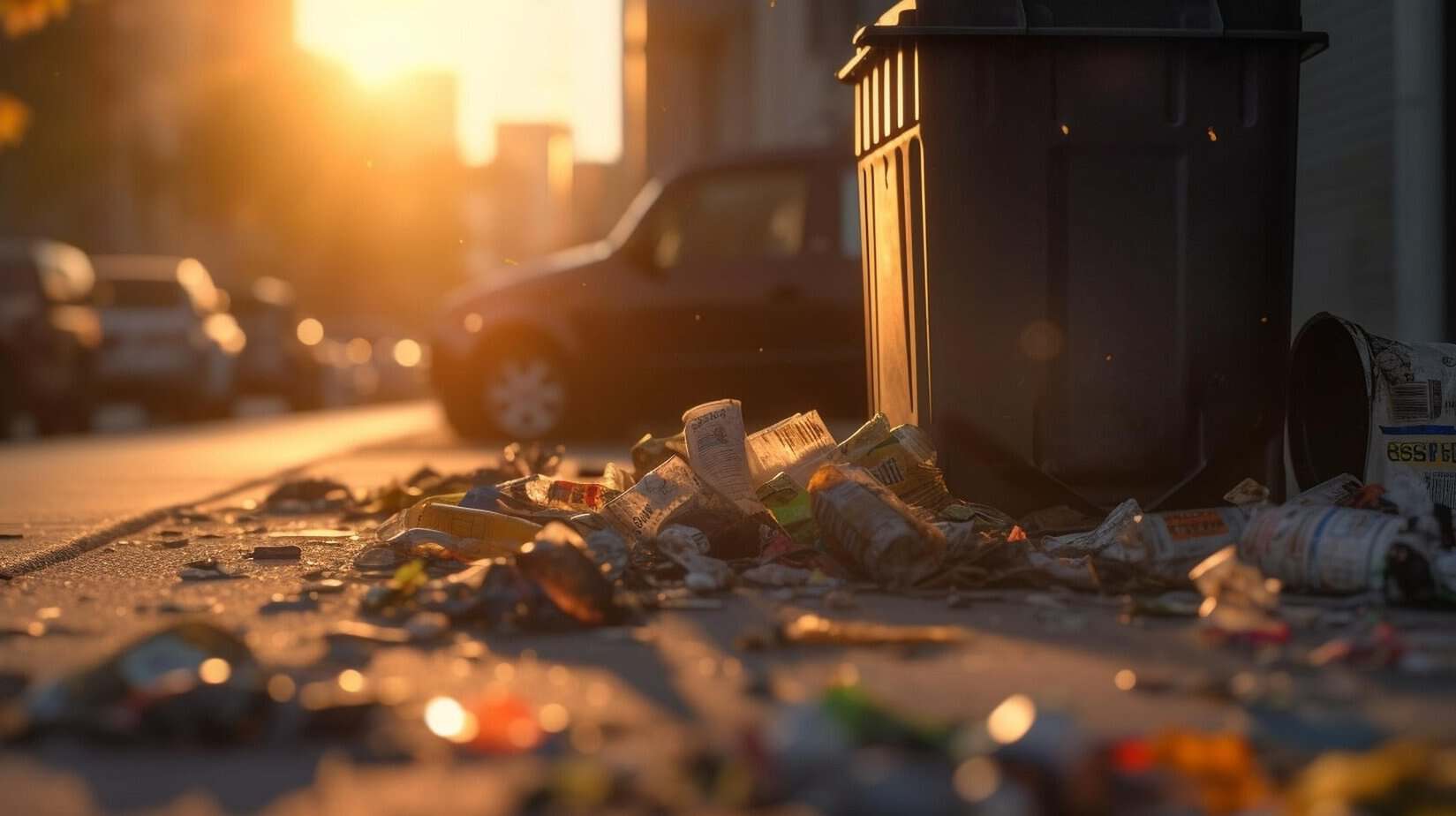
Most people preparing for disasters focus on food, water, and shelter. Very few think about what happens to their garbage. That oversight can be dangerous and when normal life gets disrupted, so does every system that keeps waste out of sight and out of mind.
Within hours of a major emergency, collection stops. Within days, bags pile up outside homes, dumpsters overflow, and decomposing organic matter starts drawing insects and rodents. Within weeks, the situation can become genuinely life-threatening.
Garbage during emergencies is not a minor inconvenience. It is a direct driver of disease, contamination, and long-term public health collapse. The pathogens traveling through decomposing waste, the rodent populations that explode around unmanaged trash, and the groundwater risks created by leaching waste are all real, well-documented threats. Understanding how this process unfolds, and how fast it happens, is one of the most overlooked aspects of emergency preparedness. This article breaks down the full picture so you know exactly what to expect and how to stay ahead of it.
How Garbage During Emergencies Exposes the Fragility of Waste Systems
Municipal solid waste collection is one of those systems that most people never think about until it stops working. In a typical US city, garbage trucks run on tight schedules, managed by departments that coordinate dozens of drivers, routes, fueling stations, and transfer facilities. That entire infrastructure depends on uninterrupted fuel supplies, functional vehicles, available personnel, and intact road networks. Any major emergency can knock out several of these simultaneously.
After a hurricane, roads may be blocked by debris, making collection routes impassable. After a major earthquake, drivers may stay home to protect their families, fuel may be unavailable, and transfer stations may be damaged. During a prolonged power grid failure, the logistics software, communications systems, and fuel pumps that keep waste operations running all go dark. Even a significant blizzard can suspend collections for days in a city that has few contingency plans for extended disruptions.
The result is immediate and visible. Residential waste that would normally be collected within a day or two sits outside. Commercial waste from restaurants, grocery stores, and food service operations starts accumulating in loading docks and alleyways. In denser urban areas, communal dumpsters fill within 24 to 48 hours. What gets overlooked is that this is not just an aesthetic problem. Decomposing food waste generates leachate, a liquid byproduct that carries bacteria, heavy metals, and organic compounds. When bags split or containers overflow, that liquid runs into gutters, seeps into soil, and can reach surface water sources.
The Federal Emergency Management Agency acknowledges solid waste management as a critical infrastructure sector that requires rapid recovery planning. Yet in most communities, specific plans for maintaining waste collection during extended disasters remain underdeveloped. Preppers who understand this vulnerability are better positioned to manage their own waste before it becomes part of a larger community problem.
The Timeline: How Quickly Waste Accumulates in a Crisis
The speed at which garbage becomes unmanageable during a disaster surprises most people who have not thought through the math. The average American generates about 4.9 pounds of waste per day according to data from the Environmental Protection Agency. In a household of four, that is nearly 20 pounds per day. Over one week without collection, that household generates close to 140 pounds of trash. Multiply that across an entire neighborhood or city block, and you begin to see why garbage during emergencies escalates from inconvenience to crisis in a matter of days.
Within 24 to 48 hours of a collection stoppage, most residential trash containers are full. By day three, overflow begins. By day five to seven, piles are forming in driveways and on sidewalks. Organic waste, which includes food scraps, meat packaging, and produce, begins breaking down rapidly. In summer temperatures above 80 degrees Fahrenheit, food waste can begin generating significant bacterial activity within 24 hours of being discarded.
Commercial areas deteriorate faster. A single restaurant can generate hundreds of pounds of food waste per day. During a two-week emergency, an urban commercial district can accumulate many tons of decomposing material without a single collection. That material becomes a feeding ground for flies, which can lay eggs and produce maggots within hours, and for rodents, which begin establishing new harborage sites within the piles themselves.
Disaster scenarios that extend beyond two weeks, such as the aftermath of Hurricane Katrina in 2005 or the prolonged infrastructure failures that followed Hurricane Maria in Puerto Rico, show what happens when waste accumulation goes unmanaged for weeks or months. Communities face not just a hygiene problem but a full public health emergency, with disease vectors multiplying in the uncollected waste.
Rodent and Pest Explosions Triggered by Unmanaged Trash
Rats and mice are opportunists. They do not need much to thrive, just food, water, and harborage. Unmanaged garbage during emergencies provides all three in abundance. A single overflowing dumpster can support a significant rat colony. In urban areas where rodent populations are already present, the removal of regular waste collection can trigger rapid population growth within two to three weeks.
Rats reproduce fast. A female Norway rat, the most common urban rodent in the US, can produce five to ten litters per year with six to twelve pups each. When food becomes suddenly and abundantly available through unmanaged waste streams, breeding activity accelerates. A rat population that was manageable under normal conditions can double in size within a few weeks given adequate food access. Once established in a new harborage area near accumulated trash, those populations are difficult to displace even after normal collection resumes.
Beyond rats, flies present an equally serious problem. House flies and blow flies are attracted to decomposing organic matter. A female house fly can lay up to 500 eggs in a single batch on decaying food or animal waste. Those eggs hatch into larvae within 24 hours. In warm conditions, a fly can complete its full life cycle in as few as seven to ten days. This means that within two weeks of an emergency, fly populations in affected areas can increase dramatically, with each fly capable of carrying dozens of pathogens on its body from waste pile to food surface.
Cockroaches also thrive in environments with abundant organic waste. They carry bacteria including Salmonella and E. coli on their legs and bodies, contaminating food preparation surfaces simply by walking across them. For preppers managing stored food during an emergency, a cockroach infestation originating from neighborhood waste accumulation can compromise carefully maintained food stocks.
Heavy-duty pest control products may help manage localized infestations. Products designed for interior rodent control are worth keeping in your emergency supplies.
Disease Vectors: How Rats, Flies, and Bacteria Use Trash to Spread Illness
The connection between unmanaged waste and disease is not theoretical. It is one of the best-documented relationships in public health history. Cities that managed to reduce rat populations and improve waste collection in the early twentieth century saw dramatic drops in disease incidence. When those systems break down, historical patterns re-emerge quickly.
Rats are primary carriers of leptospirosis, a bacterial infection spread through rat urine that contaminates soil and water. Leptospirosis causes fever, jaundice, and in severe cases kidney and liver failure. It is particularly dangerous in post-flood environments where contaminated water carries rat urine into contact with human skin. Areas with high rat populations supported by garbage accumulation are at elevated risk, especially when flooding follows a disaster.
Flies transfer pathogens mechanically. They land on feces, decomposing meat, and rotting produce, then land on food and food preparation surfaces, depositing bacteria in the process. Typhoid fever, cholera, and dysentery can all be transmitted this way. While these diseases are rare in the modern US under normal conditions, their transmission depends heavily on sanitation infrastructure. Remove that infrastructure, and the conditions that allowed these diseases to flourish historically return relatively quickly.
The Centers for Disease Control and Prevention has documented the health impacts of post-disaster sanitation failures extensively. After Hurricane Katrina, cases of gastrointestinal illness, wound infections, and respiratory disease increased sharply in affected areas. Many of those cases were linked directly to contaminated water and inadequate waste management in the weeks following the storm.
Garbage during emergencies creates a direct pathway for bacteria, viruses, and parasites to reach human populations. Understanding this pathway is what should drive preppers to prioritize waste management alongside food and water storage.
Sanitation Collapse in Urban Areas: A Concentrated Risk
Urban environments face a compounded version of every waste-related problem that rural or suburban areas experience. Population density means more waste per square block. Apartment buildings mean shared waste infrastructure that fills faster. Limited outdoor space means less room to manage waste away from living areas. And the sheer concentration of people means that disease, once it begins spreading through a contaminated environment, finds more potential hosts more quickly.
In a dense urban setting, a week without waste collection can leave a city block with hundreds of pounds of decomposing material in shared bins, dumpsters, and overflow piles. When those piles are within feet of building entrances, windows, and air intakes, the health implications extend beyond smell. Airborne pathogens from decomposing waste, particularly during warm weather, can become an inhalation risk. Leachate from overfull dumpsters runs along sidewalks and into building lobbies.
High-rise apartment buildings face specific challenges. Trash chutes become blocked or overwhelmed. Compactors that rely on electricity stop working during power outages. Waste that would normally move efficiently from individual units to street-level dumpsters now backs up inside the building itself. In a multi-week emergency, this creates untenable conditions inside residential structures.
Urban sanitation systems also include wastewater management, and the two systems are more connected than most residents realize. When solid waste overwhelms storm drain systems, it can cause backups that contaminate water supplies. The World Health Organization notes that poor solid waste management directly contributes to water pollution in urban environments, creating overlapping public health risks that are difficult to address in isolation during an emergency.
Heavy-duty contractor-grade garbage bags are an essential supply for preppers in urban settings. Keeping a significant quantity on hand allows you to double-bag waste and reduce leakage risk substantially.
Smell, Contamination, and the Hidden Water Risks of Accumulated Waste
Smell is the most immediate signal that waste has become dangerous, but it is also the least important metric compared to what cannot be detected without testing. The odor from decomposing garbage comes primarily from volatile organic compounds and hydrogen sulfide gas produced by anaerobic bacterial activity. While unpleasant and potentially irritating to the respiratory system, the smell itself is not the primary threat. What travels along with those gases and within the liquid waste stream is far more dangerous.
Leachate is the liquid that percolates through solid waste as it decomposes. It contains a mixture of organic compounds, bacteria, heavy metals, and chemical residues from household products including cleaners, batteries, and medications. Under normal conditions, this material is managed at landfills with engineered liner systems and leachate collection. During an emergency, it runs wherever gravity takes it: along sidewalks, into storm drains, into soil, and potentially into groundwater.
In areas where private wells are the primary water source, this is a serious concern. Shallow wells within a few hundred feet of significant waste accumulation can become contaminated within days if leachate enters the soil. Even municipal water systems that draw from surface water sources can face contamination risks if accumulated waste in a flood zone enters waterways. Boiling water addresses biological contamination but does not remove chemical compounds or heavy metals.
Water filtration supplies become essential in any extended emergency. A quality filtration system rated for biological contaminants and heavy metals provides a meaningful layer of protection when water source quality is uncertain.
Preppers should also understand that any water source downhill or downstream from significant waste accumulation is suspect until tested. This applies to rainwater collection as well. Rain falling through air contaminated by decomposing waste, then running across surfaces covered in debris before reaching collection containers, may carry biological contaminants even before any ground contact.
Public Health Consequences: What History and Research Tell Us
The public health consequences of sanitation failure are not speculative. They have been documented repeatedly across natural disasters, conflict zones, and infrastructure failures around the world. The speed and severity of health impacts depend on several factors including population density, climate, availability of clean water, and the baseline health of the affected population, but the pattern is consistent: when waste systems fail, illness follows.
Post-disaster epidemiology studies consistently show increases in gastrointestinal illness within the first two weeks of a major disaster affecting sanitation infrastructure. Diarrheal diseases, which are responsible for significant mortality in low-resource settings, increase rapidly when hand hygiene becomes difficult and food and water contamination risks rise. For vulnerable populations including the elderly, infants, and immunocompromised individuals, even diseases that are manageable in healthy adults can become life-threatening.
Respiratory illness also increases in environments with significant waste accumulation. Mold, which grows rapidly on organic waste in humid conditions, releases spores that can trigger asthma attacks and respiratory infections. Dust from dried waste material can carry bacteria and chemical compounds into airways. People living in close proximity to large waste accumulations report higher rates of headaches, nausea, and respiratory symptoms even without direct contact with the waste itself.
Research published through the National Institutes of Health has examined the long-term health outcomes for communities that experienced prolonged post-disaster sanitation failures. The findings consistently show elevated rates of infectious disease, mental health impacts linked to environmental stress, and increased mortality in the most vulnerable populations for months or even years after the initial disaster.
Garbage during emergencies does not just create discomfort. It creates a sustained public health burden that can outlast the emergency itself by a significant margin.
Personal Protective Measures: Handling Waste Safely During a Crisis
When you are managing your own household waste during an emergency, direct contact with decomposing material carries real risk. Cuts from broken glass or metal hidden in waste bags can become infected quickly in an environment where medical care may be limited. Contact with leachate from decomposing organic waste can transfer bacteria through skin, particularly through open wounds or mucous membranes. Respiratory exposure to waste gases, mold spores, and airborne bacteria is an ongoing risk when working around accumulated garbage.
Heavy-duty nitrile gloves are the minimum protection for any waste handling task. Unlike latex, nitrile resists punctures better and does not trigger latex allergies. Disposable gloves should be considered single-use when handling heavily contaminated material, meaning you remove them carefully, turn them inside out, and bag them before any contact with clean surfaces. A face covering, at minimum an N95 respirator, is appropriate when working around large accumulations of decomposing waste.
Keeping a supply of durable nitrile gloves in your emergency kit is a straightforward preparation that costs very little and provides meaningful protection.
Wash hands thoroughly with soap and water after any waste handling, even when gloves were worn throughout. Use a waterless hand sanitizer with at least 60 percent alcohol as a backup when water is limited. Avoid touching your face during waste management tasks. Change clothing after extended contact with large waste piles and wash or isolate those garments before they contact your living space.
Designate a specific waste management area as far from your living and food storage spaces as practical. Even in a small home or apartment, having a clear physical separation between where waste is held and where food and water are stored reduces cross-contamination risk substantially.
Practical Mitigation Strategies for Managing Garbage During Emergencies
Waste management during an emergency is not complicated, but it does require planning before the event and consistent action during it. The preppers who handle this best are the ones who have thought through their waste stream in advance and have the supplies on hand to manage it before conditions deteriorate.
Start with volume reduction. The less waste you generate, the less you have to manage. Shift to foods with minimal packaging during an emergency. Use reusable containers rather than disposable ones. Compost appropriate organic waste in a sealed container away from your living area rather than mixing it with dry garbage. Separating wet and dry waste significantly reduces the odor and biological activity of what you store.
Odor control matters both for quality of life and for reducing the attraction of pests. Activated charcoal odor eliminators placed near waste storage areas can help manage ambient odor significantly. There are also waste deodorizing products specifically designed for situations where disposal is delayed.
Double-bag all waste containing organic material. Tie bags tightly before placing them in a secondary container. If you have access to a sealed plastic bin with a locking lid, use it as your primary waste storage during an emergency. A tight-fitting lid is the single most effective tool for reducing fly access and rodent attraction.
Establish a waste disposal point away from your home if possible. In a yard, designating a corner of the property as a temporary waste area keeps accumulation away from living spaces. In an urban setting, coordinate with neighbors to designate and manage a communal waste point, reducing the number of small piles that attract pests and replacing them with one managed location. Communication with neighbors during an emergency is itself a preparedness skill worth developing.
Identify your local emergency management agency’s waste collection plan before a disaster happens. Many municipalities have plans for emergency debris removal and waste collection that activate during declared emergencies. Knowing how to report your situation and request pickup can significantly shorten the time waste sits on your property.
Community-Level Response: Why Garbage During Emergencies Requires Coordination
 Individual preparedness for waste management is necessary but not sufficient. The reality of garbage during emergencies is that one household managing its waste well while surrounded by neighbors whose waste is unmanaged still faces significant exposure risks. Rodents do not stay in one yard. Flies do not respect property lines. Leachate flows wherever drainage takes it. Managing the public health risks of accumulated waste is fundamentally a community-level problem that requires at least some coordination.
Community emergency response teams, known as CERT programs, exist in many municipalities and include waste and sanitation management in their training. Connecting with your local CERT program before a disaster gives you both resources and a network of neighbors who understand the importance of coordinated response. Knowing who in your neighborhood has sanitation supplies, who has medical training, and who has logistics skills allows for a more organized response than each household acting in isolation.
Neighborhood associations and local emergency management agencies often develop emergency plans that include waste management protocols. If your community does not have such a plan, advocating for one is a meaningful preparedness action that protects the whole neighborhood. The Federal Emergency Management Agency provides resources for community-level emergency planning that include sanitation considerations.
During extended emergencies, communities that organize waste collection points, designate waste management volunteers, and establish communication about hazard areas consistently show better health outcomes than those where individuals manage waste entirely on their own. The social infrastructure of preparedness matters as much as the physical supplies.
Understanding that garbage during emergencies is a community-scale public health threat, not just a personal inconvenience, is what separates comprehensive preparedness from partial preparedness. Every serious prepper should have both a personal waste management plan and some connection to the community-level systems that will determine how well their neighborhood weathers a prolonged crisis.
Final Thoughts
Waste management rarely makes the top of any prepper supply list, but it belongs there. Within days of any significant emergency, garbage during emergencies shifts from a logistical inconvenience to a direct driver of disease, pest infestation, and contamination. The timeline is short, the consequences are serious, and the mitigation strategies are practical and affordable. Stock heavy-duty bags, gloves, and odor control supplies. Know your local emergency waste plans and coordinate with your neighbors. The difference between managing and being overwhelmed by waste during a crisis comes down to preparation made before the first bag overflows.
Author Bio
Bob Rodgers is a lifelong outdoorsman, herbalist, and seasoned prepper with over 20 years of real-world survival experience. As the founder of PreppersWill.com, he shares practical advice on self-reliance, off-grid living, and disaster preparedness, no hype, just hard-earned lessons from decades of hands-on prepping.
Suggested resources for preppers:
Food preps when you lack money
The #1 food of Americans during the Great Depression