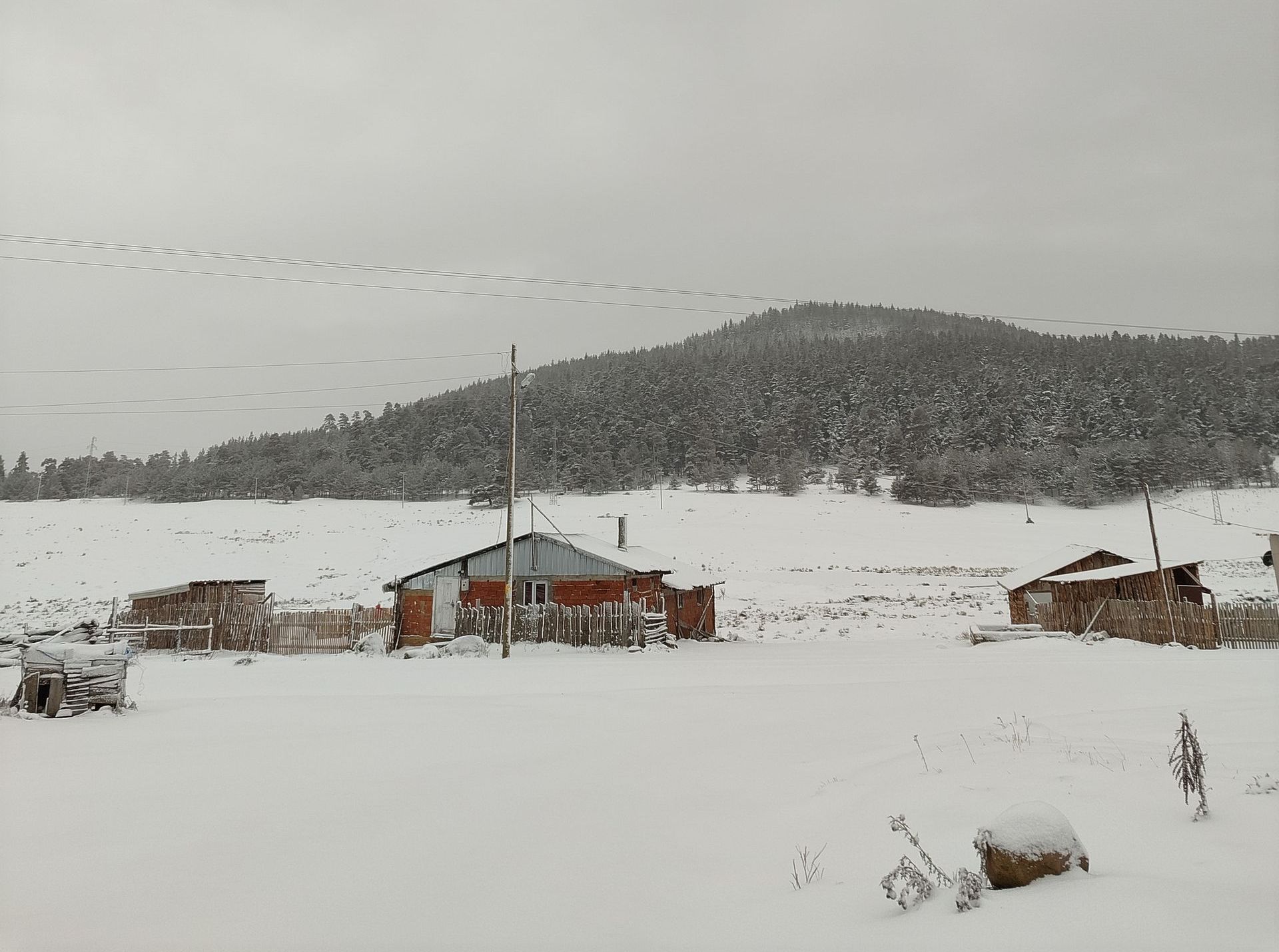
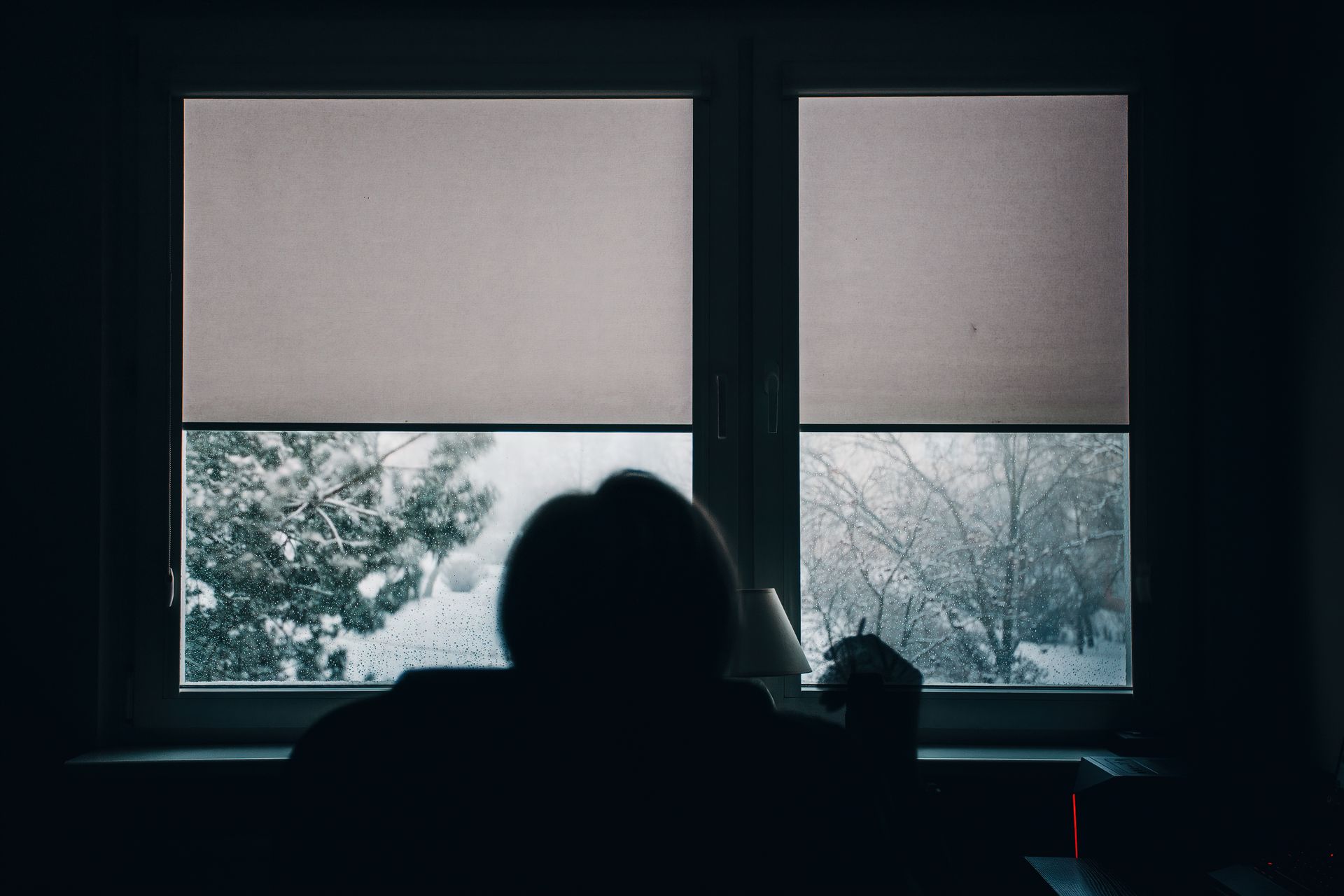
When the grid fails in the middle of winter, the first problems people notice are practical ones: the furnace goes quiet, the refrigerator stops humming, and the house starts losing heat at a rate that feels alarming by the second night. What gets far less attention is what the long dark does to the people inside the house.
Preparedness
What Traditional Healers Actually Carried in Their Kits Before Modern Medicine

Every November, when the first hard frost settles in and the forecasts begin to mention ice storms, I find myself thinking about how people coped before electricity and pharmacies were a phone call away. For centuries, traditional healers walked from village to village with satchels, baskets, and cloth bundles that held everything they needed to treat fevers, wounds, coughs, and the aches that arrive with long cold months.
The Underrated Risk of Carbon Monoxide Poisoning From Improvised Heating and Cooking
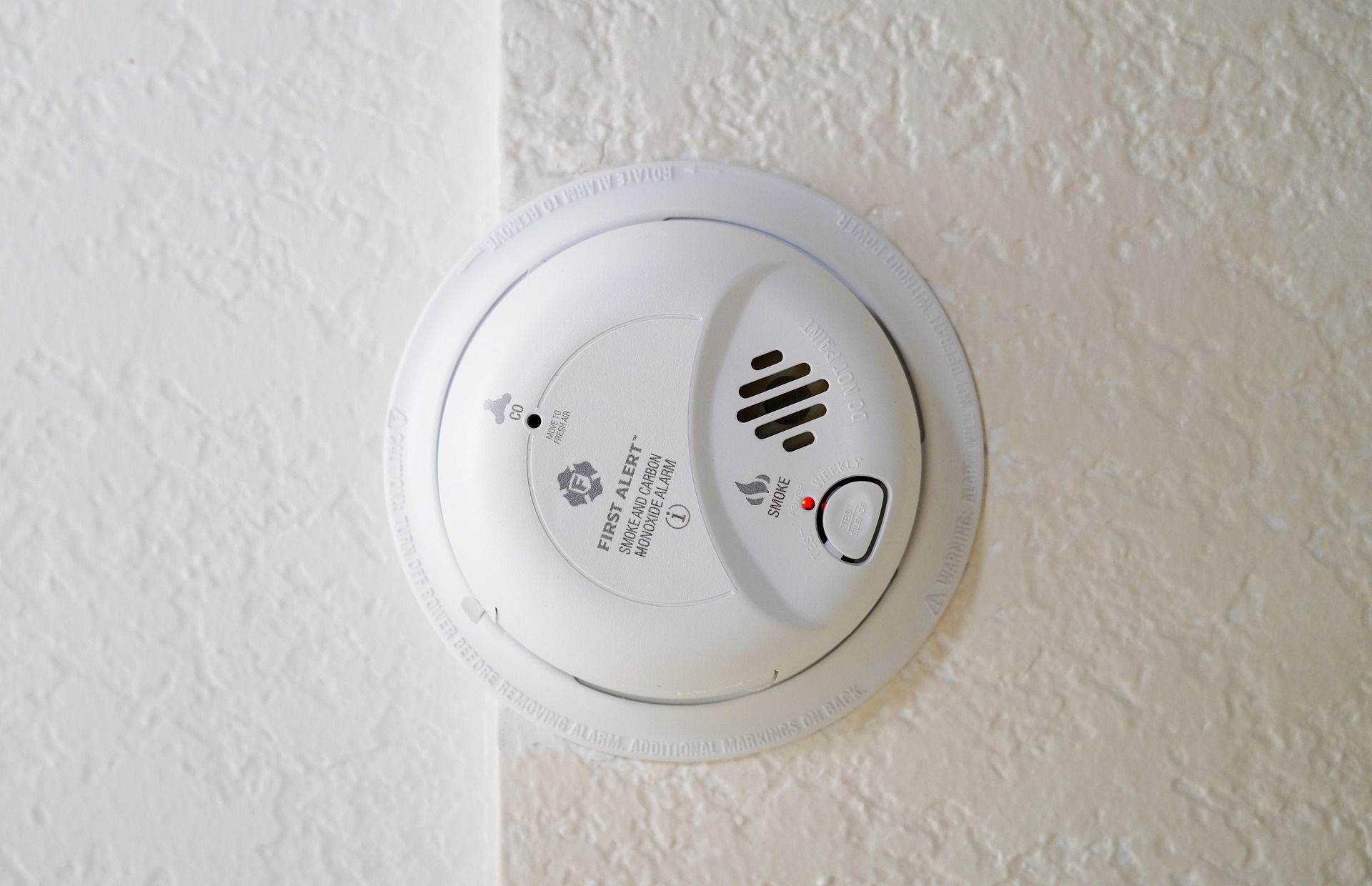
When a winter storm takes down a power line or a grid failure leaves a whole neighborhood dark, most families do the sensible thing and start looking for another way to stay warm and fed. The trouble is that many of the quickest fixes, such as running a generator in the garage, lighting a charcoal grill on the porch, or turning on the gas oven for heat, quietly create a serious risk of carbon monoxide poisoning inside the very rooms where people are trying to stay safe.
The Skill of Building Trust With Neighbors Before You Ever Need Their Help
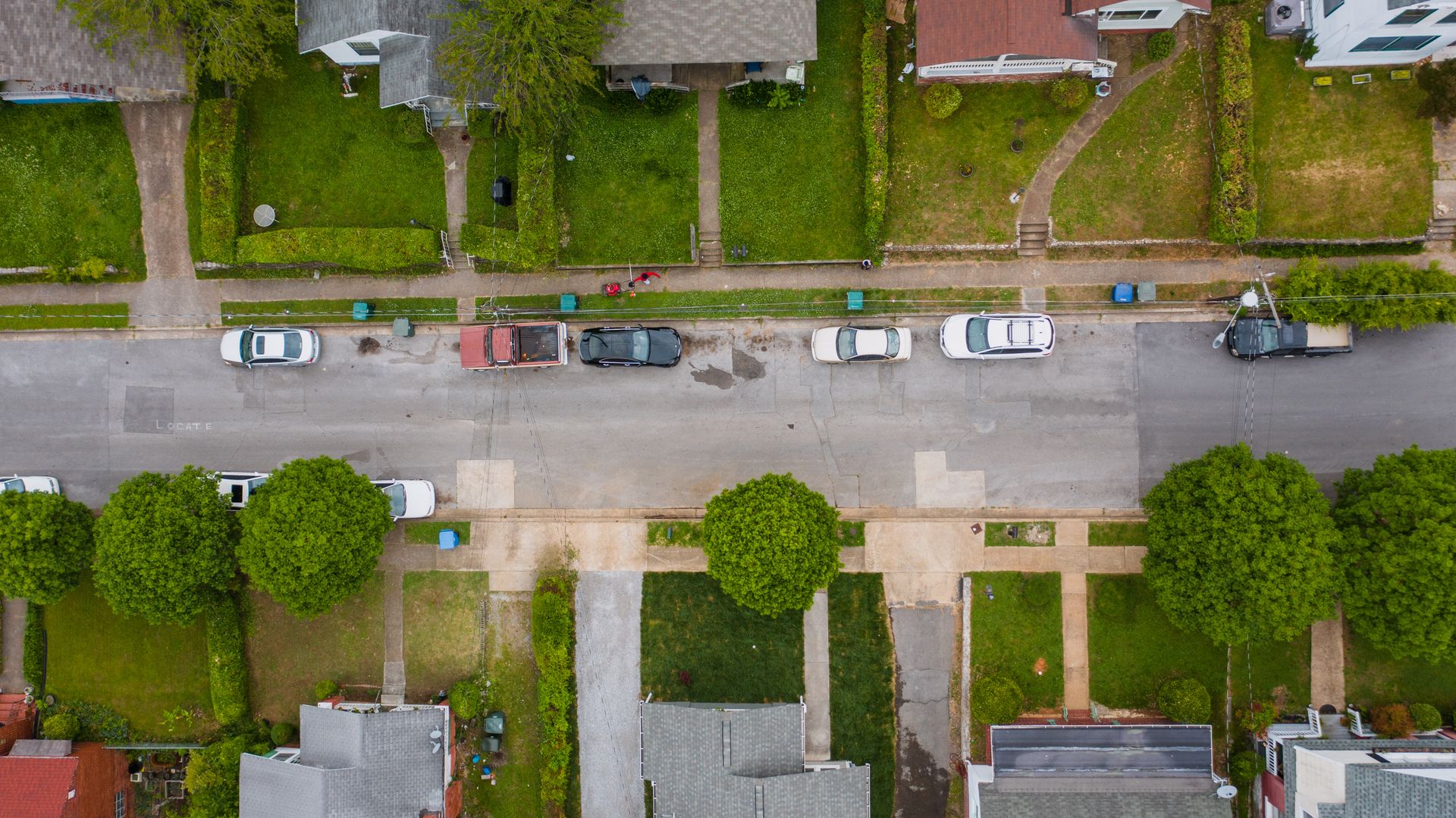
Most of us who prep spend our weekends stacking buckets of rice, rotating water barrels, and arguing about the best way to filter a creek. We plan for storms, grid failures, and supply chain hiccups with real care, yet plenty of us could not name the people living in the three closest houses.
The Economics of Keeping Bees as a Long-Term Food and Barter Resource
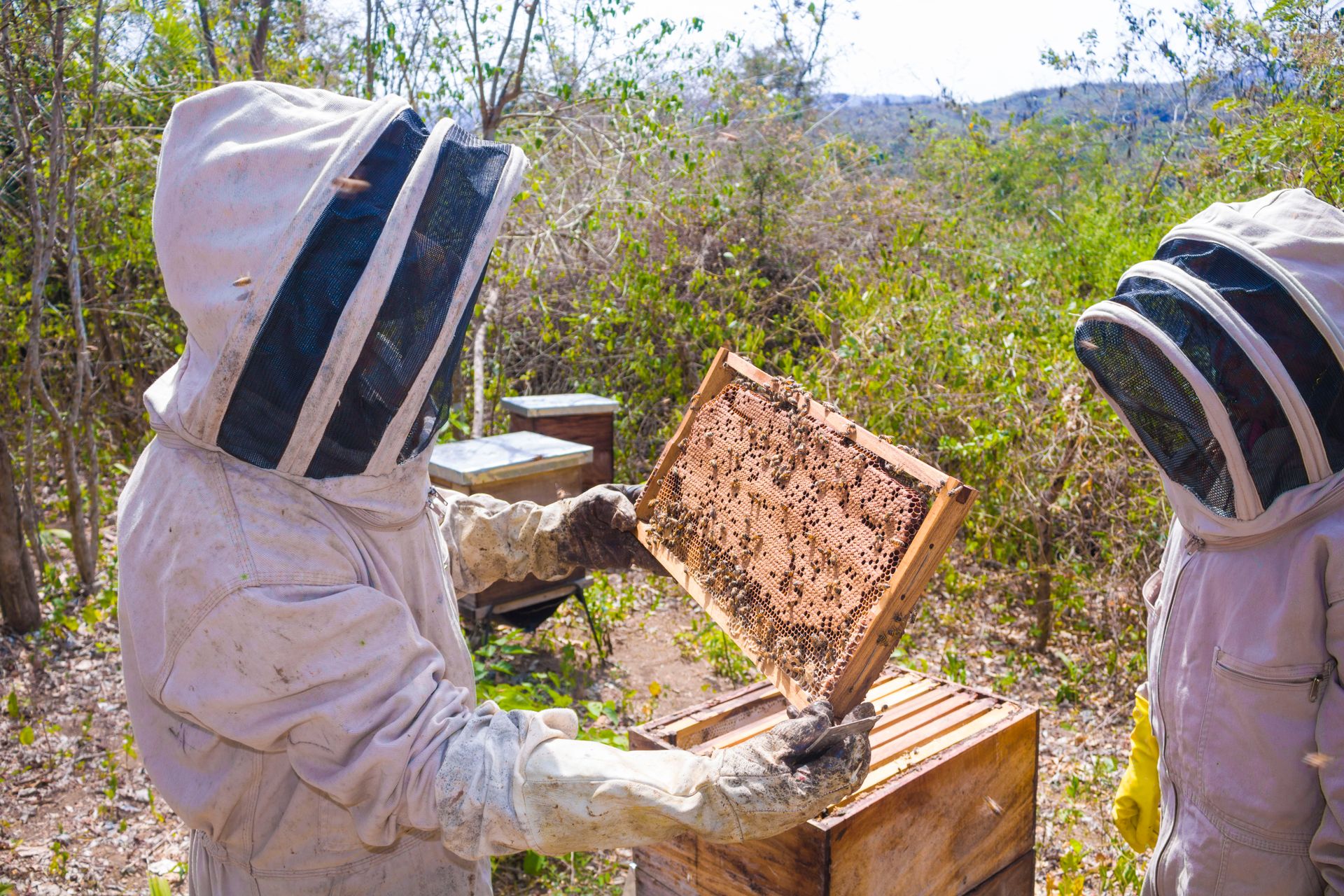
Most preparedness plans cover water, calories, medicine, and security, yet very few of them include a renewable source of sweetness that also happens to be one of the most dependable trade goods in history.
How to Actually Test Your Emergency Plan Instead of Just Writing One Down
A few years ago, I spent a whole winter weekend building what I believed was the perfect emergency binder for our property. It had laminated maps, contact lists, a water budget, a generator checklist, and a color-coded evacuation tree, and I felt quietly proud every time it sat on the shelf looking official.
Why Most People Overestimate How Long They Can Go Without Water
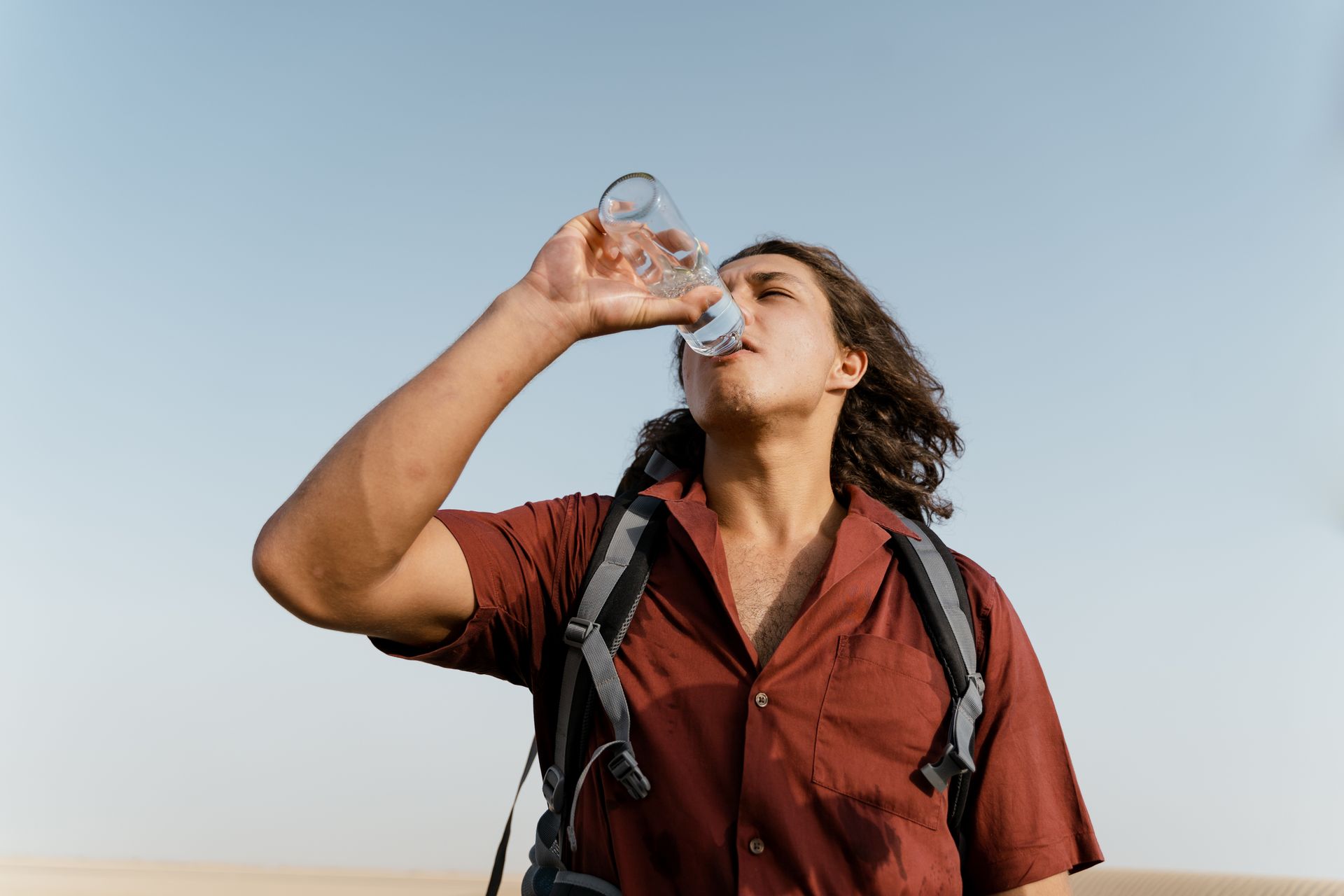
When you’re stocking your pantry with rice, beans, and ammunition, water often gets treated like an afterthought, something you will figure out once the food situation is handled. That is a dangerous assumption, and one rooted in a stubborn myth that keeps circulating in prepper circles, the idea that a healthy adult can go without water for three days before things get serious.
How Power Grid Cascading Failures Actually Spread (It’s Not Like the Movies)
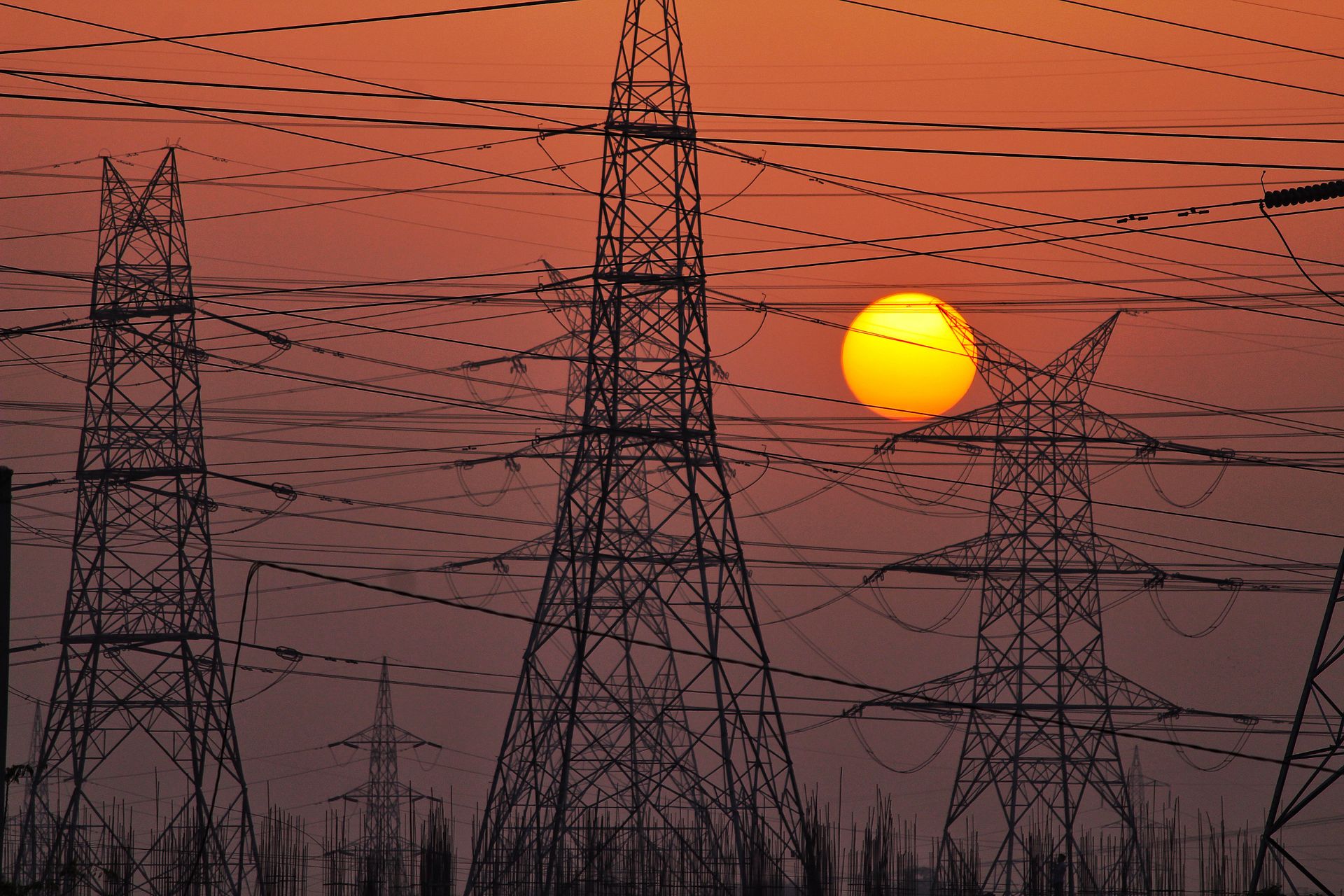
Every blackout movie follows the same script. A hooded figure types a few lines of code, a map of North America goes dark in a tidy wave rolling from coast to coast, and the hero watches the skyline wink out one neighborhood at a time. It looks fantastic on screen, but it also bears almost no resemblance to the way power grid cascading failures move through a real transmission network.
Why Foraged Mushrooms Are the One Category Where “Just Learn It Yourself” Advice Gets People Killed

I have spent years writing about foraging and self-taught skills, and I still believe most people badly underestimate what they can learn from books, videos, and stubborn repetition. You can teach yourself sourdough, basic wiring, bike repair, conversational Spanish, or the guts of a tax return.
Herbs That Interact With Medications: Dangerous Combinations to Avoid

Walk into almost any pharmacy and you will find the supplement aisle sitting a few steps from the prescription counter, as though the two categories have nothing to do with one another. That physical separation mirrors a mental one most of us carry around without noticing.
The Sound and Light Discipline Nobody Practices Until It’s Too Late
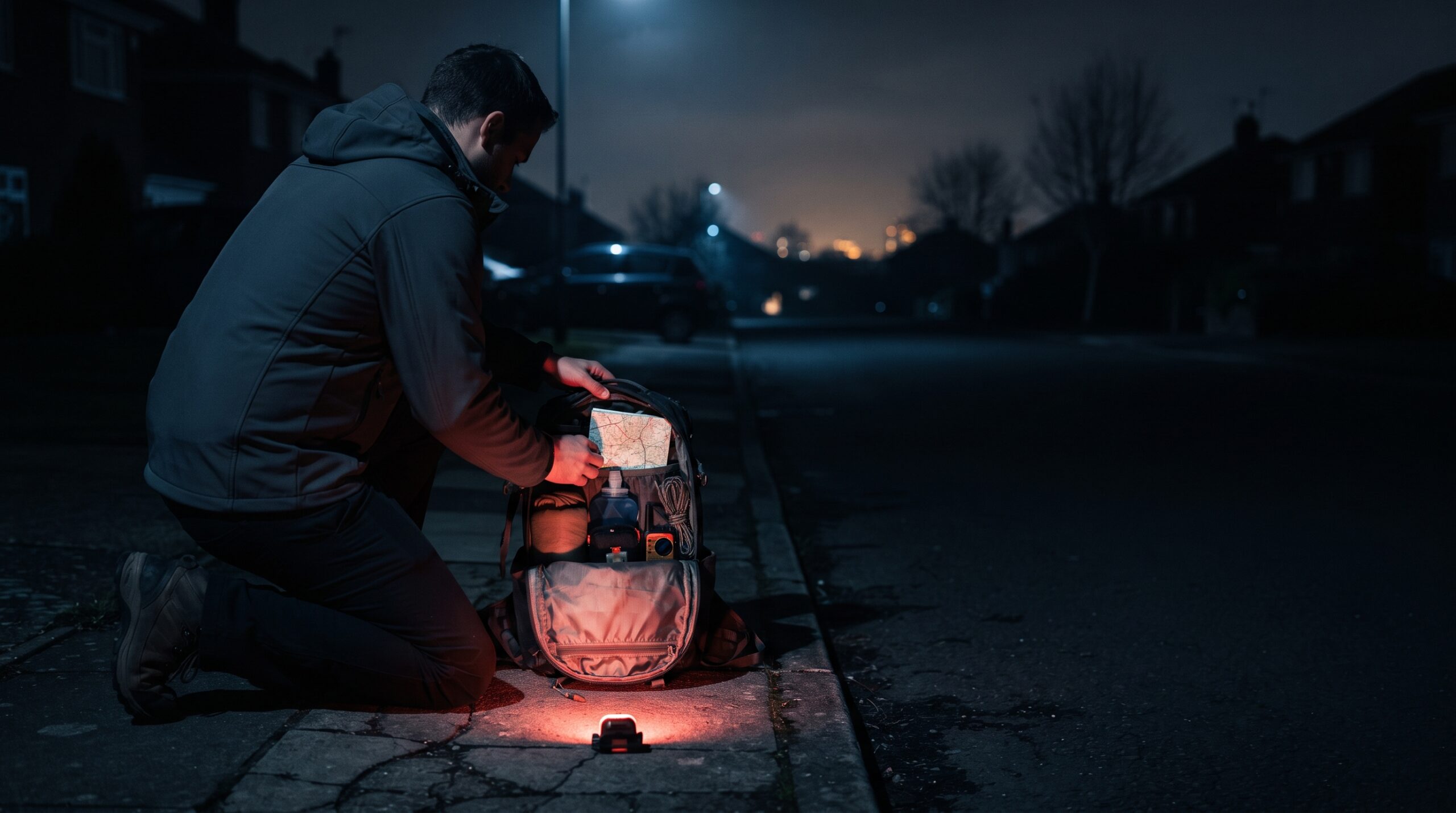
Most preparedness conversations stall out at the gear list. People spend months refining what goes into the pack, arguing about filter media and knife steel and whether the tourniquet is a real one or a knockoff, and then never once walk out the front door with the thing loaded and moving in the dark.
The Blood Type Preppers Never Test For And Why It Matters in a Medical Emergency
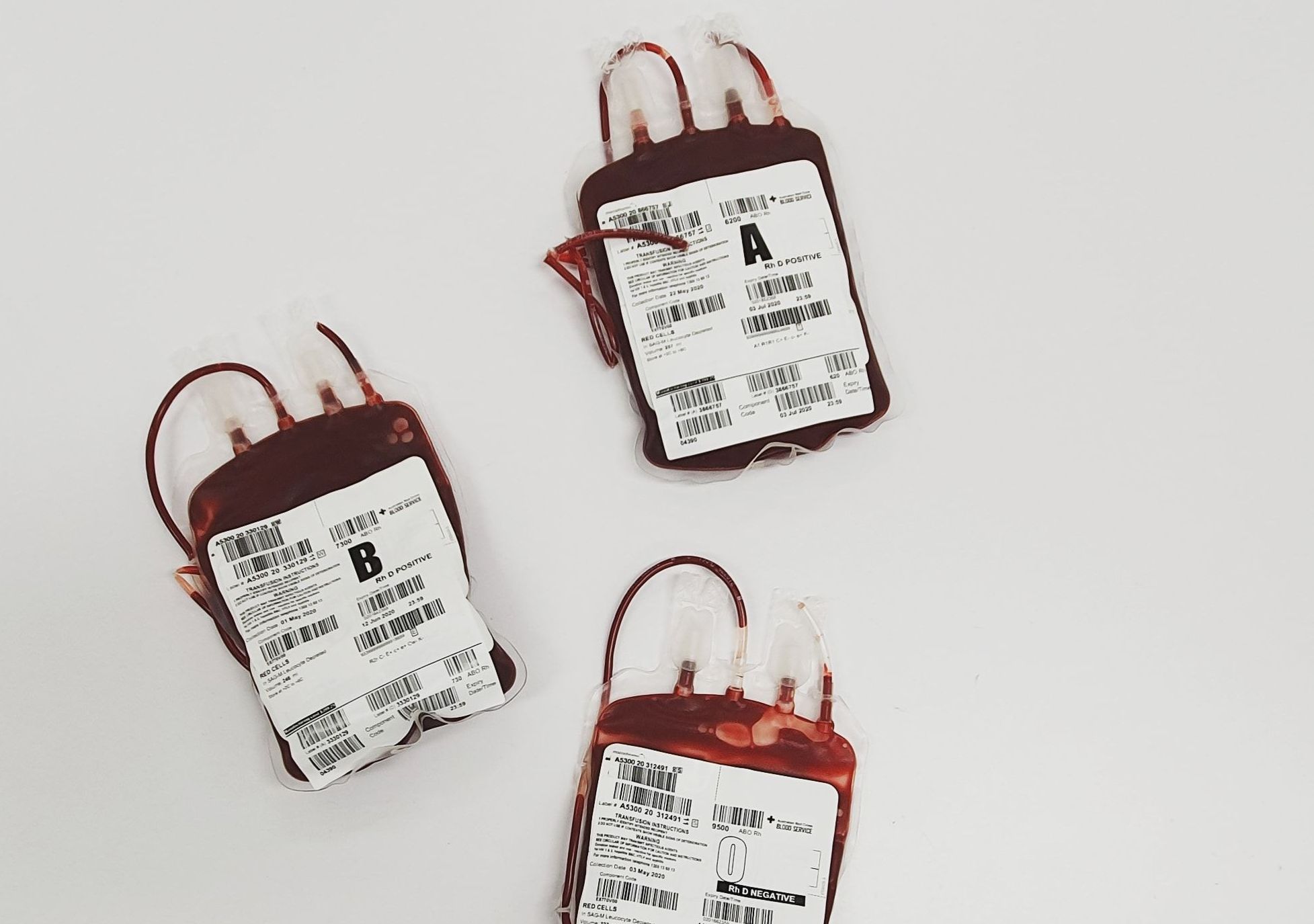
Ask anyone in the preparedness community what their blood type is and you will get an answer inside of two seconds. It is stamped on a dog tag, written in permanent marker on the inside flap of a trauma kit, listed on a laminated card in the go bag, and in more than a few cases tattooed on a rib cage.
Batteries Degrade Faster in Storage Than in Use: Here’s the Actual Data
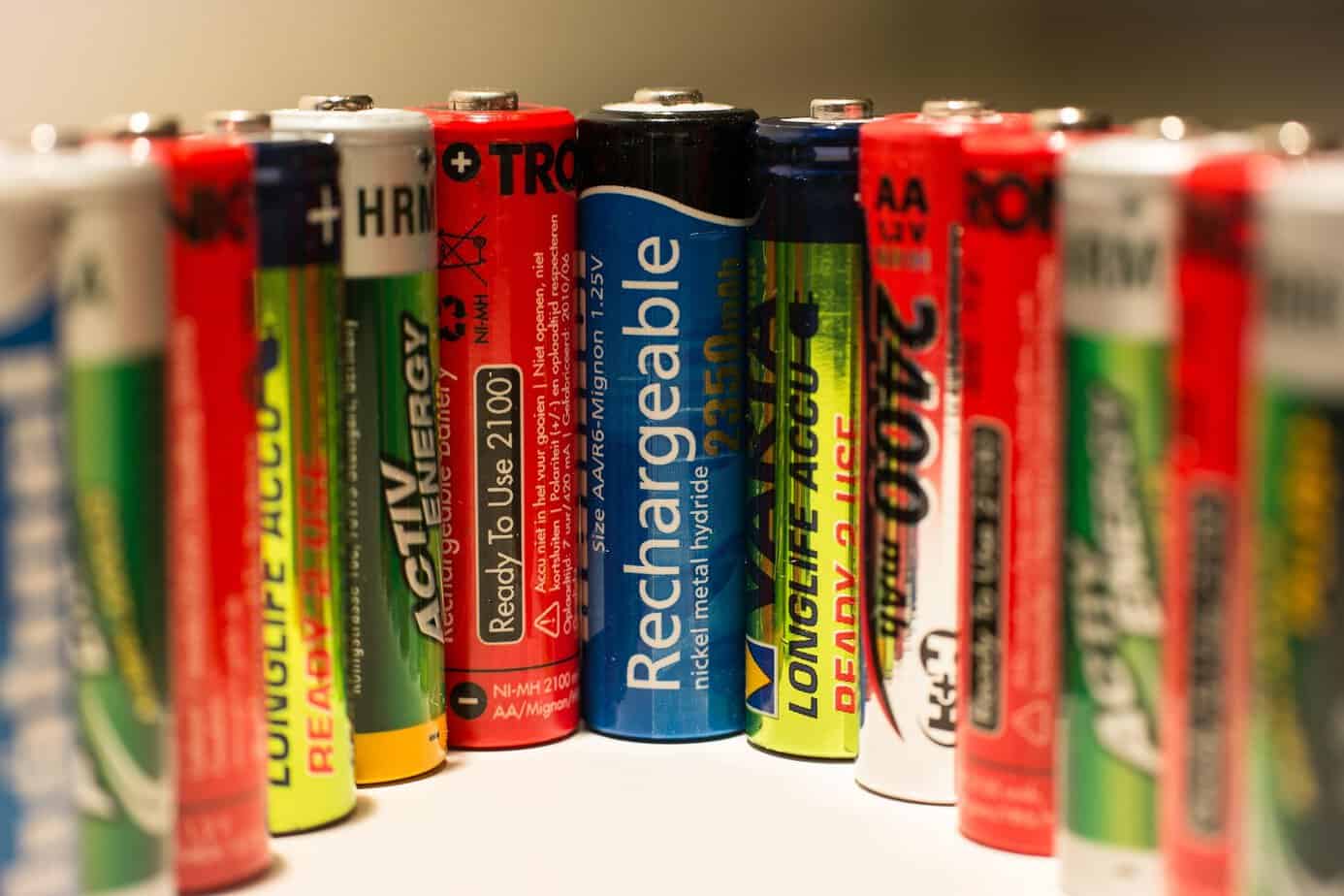
Most of us assume a battery wears out because we use it. You charge the phone every night, you drain the drill pack building a deck, you run the laptop down to single digits on a long flight, and somewhere in all that activity the capacity quietly disappears. The story is comfortable, familiar, and only half true.