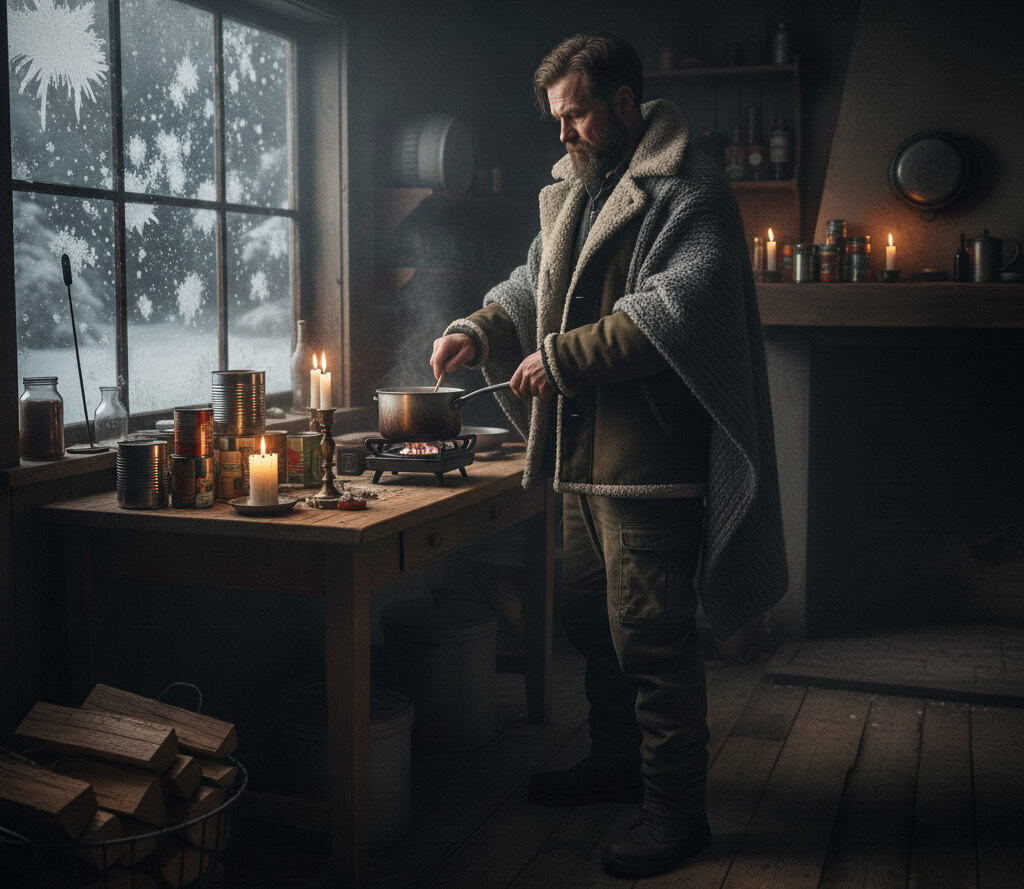
Winter is when food mistakes stop being uncomfortable and start becoming dangerous. Cold weather doesn’t just make you hungry. It burns calories faster, drains energy, and slows thinking. Your body works harder just to stay warm, even when you’re sitting still.
Foraging in Winter: The Harsh Truth

Most people who get into wild food do it when the land is generous. Leaves are broad and easy to identify and berries hang at eye level. Mushrooms announce themselves after rain and even some mistakes are usually forgiving. That experience quietly trains people to believe that foraging is a year-round skill that simply slows down when winter hits.
Winter Camping Dangers: What Actually Kills People in Cold Weather
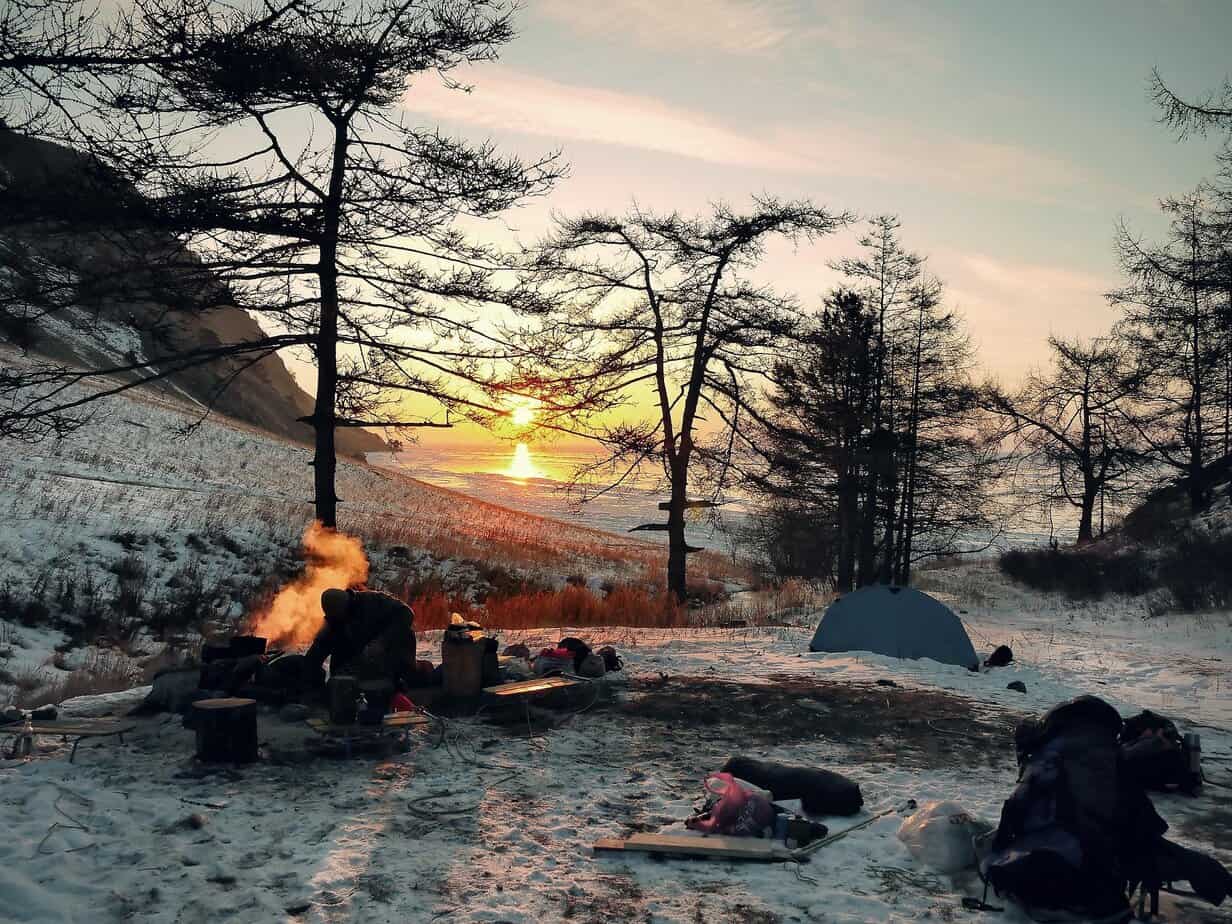
Here’s the lie that gets people killed: “Cold weather is dangerous, but I’m experienced.” That mindset is where most winter disasters start.
Famine Foods of Europe: When Survival Replaced Cuisine

When the topic of the famine foods of Europe is brought up, it often pictures strange recipes or lost peasant traditions. That misses the point because these weren’t foods chosen for flavor, culture, or even nutrition. They were eaten because the alternative was watching children starve, elders fade, and whole villages empty out. Cuisine disappears fast when granaries are bare.
Long Distance Bug Out Planning: What It Actually Takes to Travel Hundreds of Miles Safely
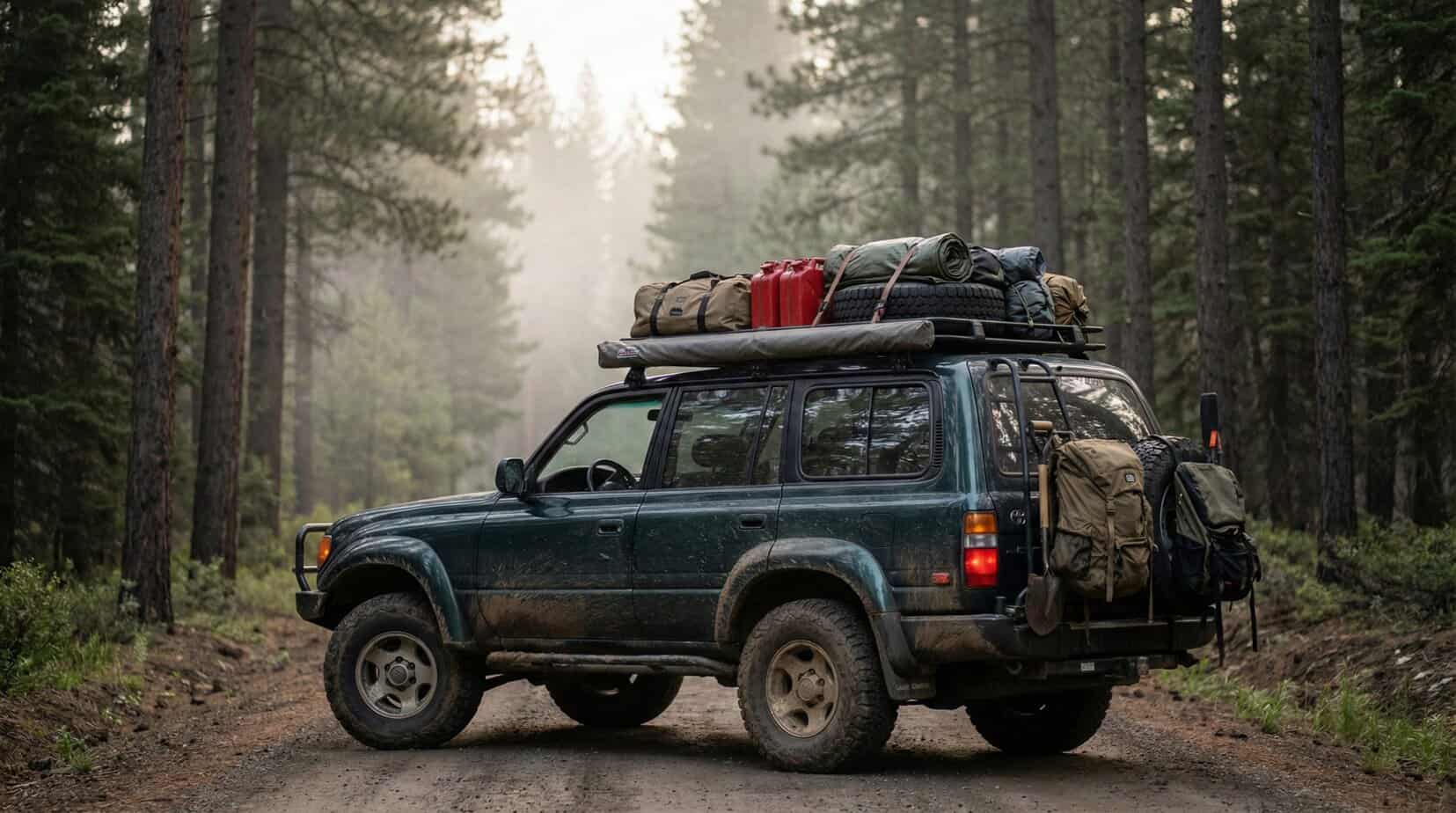
There’s a reason seasoned preppers treat long distance bug out planning with a different level of respect. Covering hundreds of miles isn’t just a longer version of a short evac; it’s a logistical gauntlet where fatigue, fuel, fear, and friction all stack up against you. Distance exposes weaknesses you never noticed when your bug out drills were local and comfortable.
Emergency Fuel Storage for Apartments: A No-Nonsense Guide to Bug-In Power and Cooking
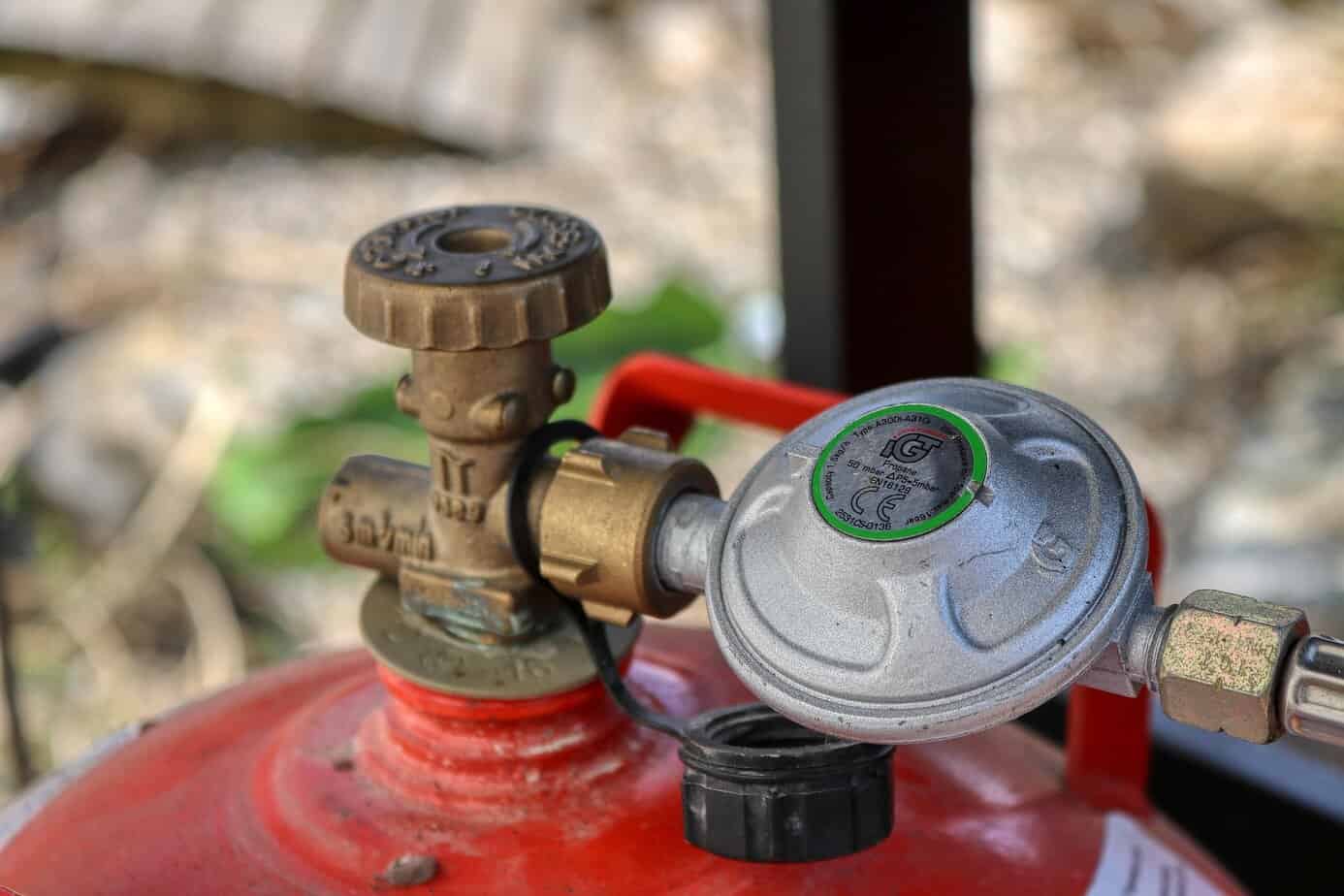
When people talk about emergency planning, apartment living gets treated like an afterthought, but that’s exactly why emergency fuel storage for apartments matters so much. A house has a garage, a shed, maybe even a backyard where someone can stash backup fuel or alternative cooking setups. An apartment doesn’t offer those luxuries.
How To Make Frontier Beer At Home (The Way Pioneers Did Without Electricity)
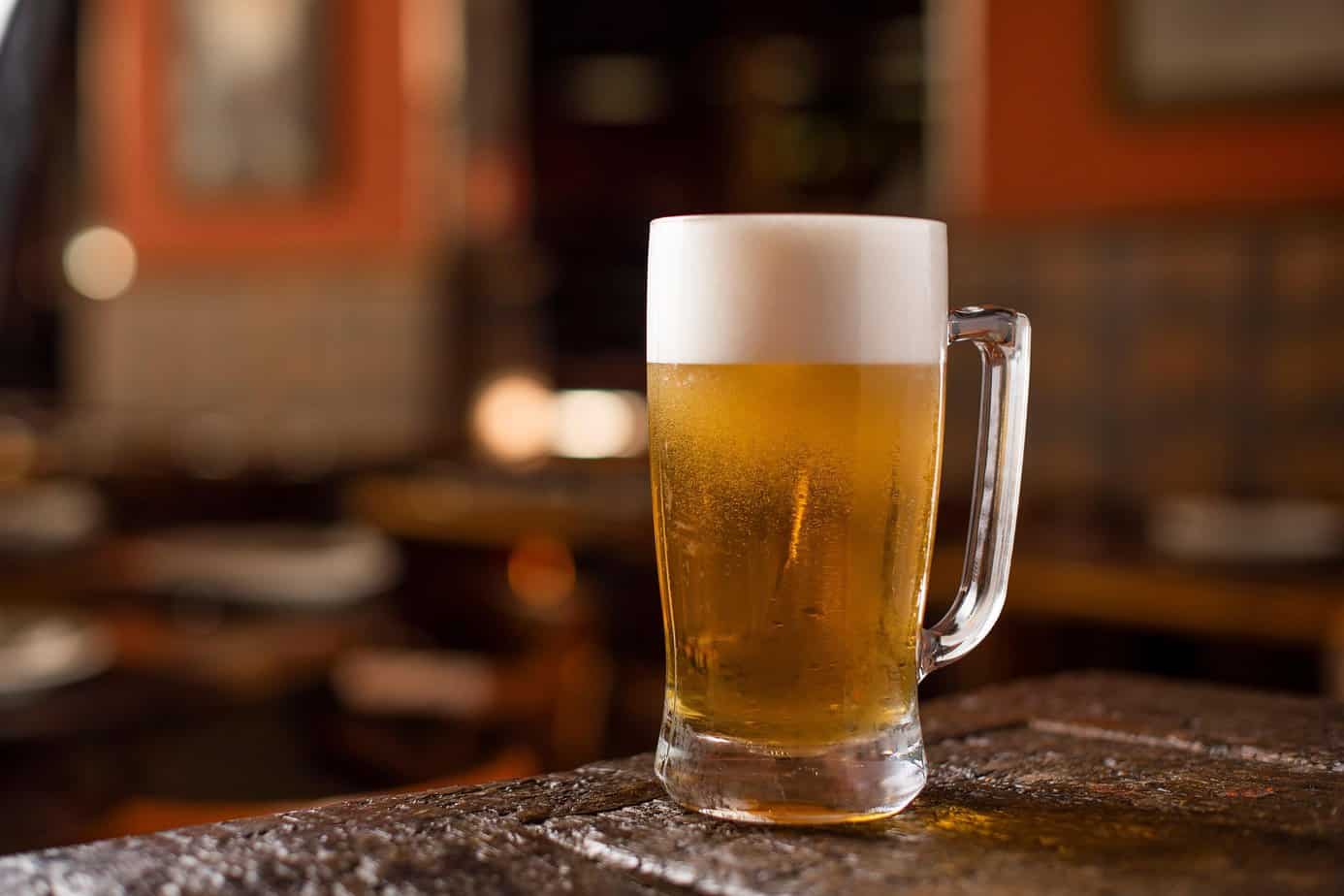
Long before beer became something you cracked open after a long week, it was a survival tool as essential as a good rifle or a cast-iron pot. Out on the fringes of early America, water could kill you faster than a cold snap, and pioneers knew it.
European Survival Fats: The Ancient Calories That Kept Armies, Farmers, and Refugees Alive
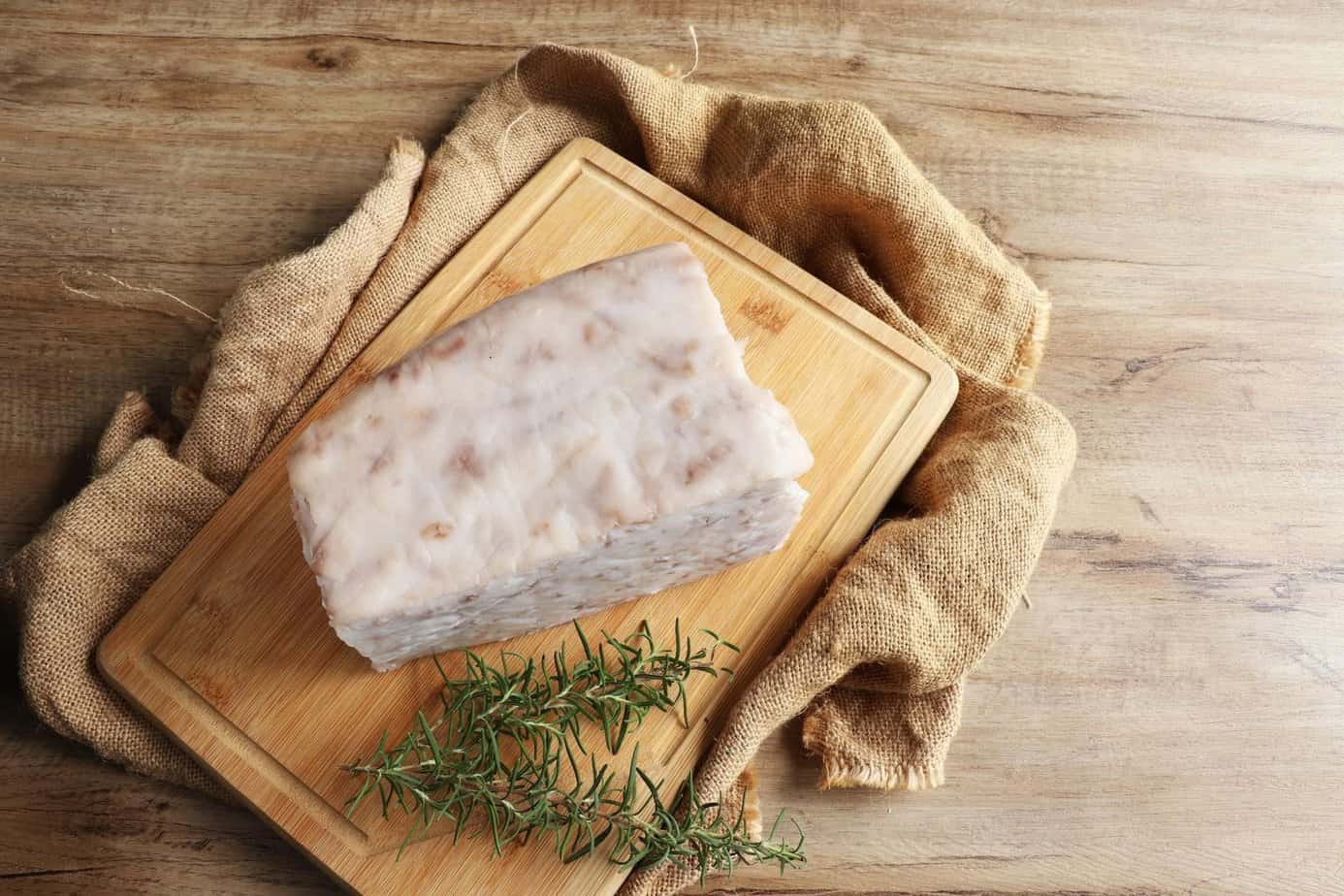
The difference between starving slowly and surviving winter wasn’t protein, it was fat. Every old European culture knew this long before electricity, supermarkets, or the idea that “lean meat” was somehow noble.
Winter Survival Hunting Skills | Part 2: Weapons, Trapping, Butchering, and Staying Alive

Winter has a way of testing everything you thought you knew. In Part 1, we talked about the foundation: reading tracks when the wind wipes half of them away, understanding how winter wildlife shifts patterns once the cold bites down, and how to scout terrain that looks deceptively simple under a few inches of snow. Those skills matter, and they’re what keep you from wandering blind through a frozen landscape.
How to Hunt for Survival in Winter | Part 1: Tracking, Scouting, and Understanding Winter Wildlife
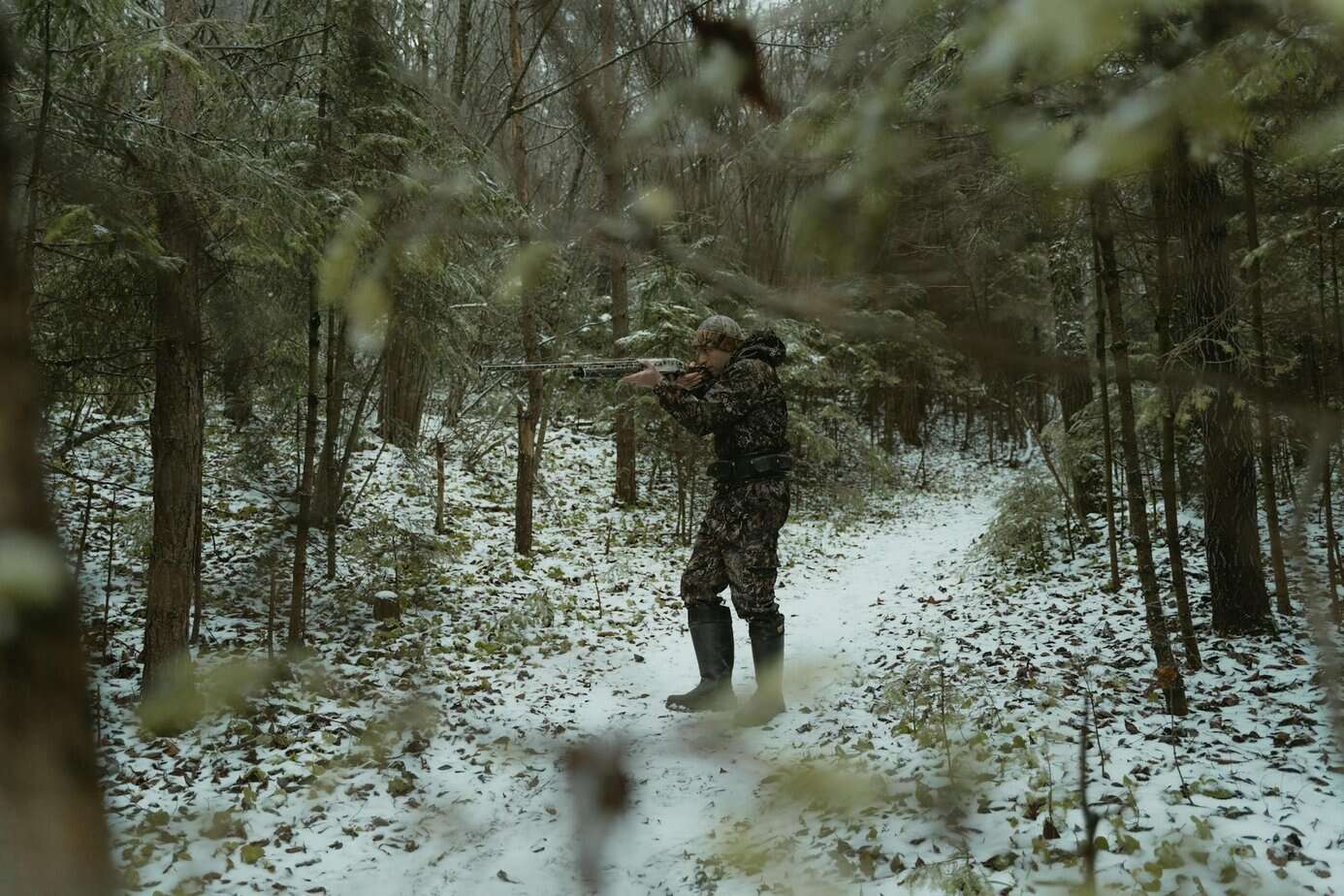
Winter changes the rules long before you ever see a track in the snow. Anyone learning how to hunt for survival in winter has to respect how temperature, daylight, snowpack, and animal behavior shift into a completely different operating mode once the cold settles in.
Frankincense for Wound Healing: How the Ancient Egyptians Treated Injuries Without Antibiotics
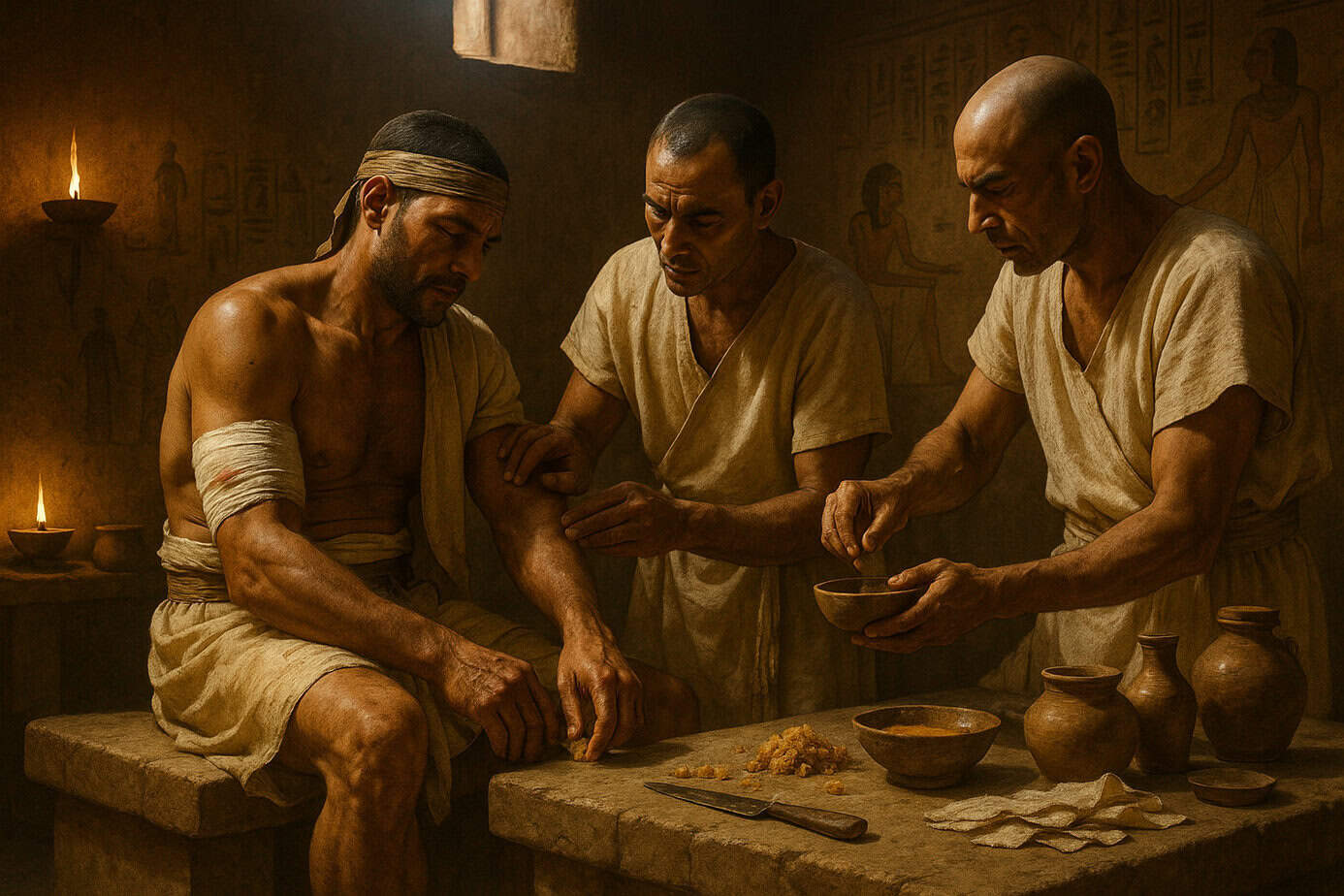
Frankincense has this way of slipping through history almost unnoticed, except by the people who depended on it the most. Long before hospitals, penicillin, or even the idea of a sterile bandage, healers along the Nile kept small jars of this golden resin close at hand. They did not have the language of chemistry, but they understood something important. Frankincense for wound healing helped damaged skin settle down, stay cleaner, and heal a little faster than it would on its own.
How to Make Molasses at Home: The Forgotten Survival Sweetener Every Prepper Should Know
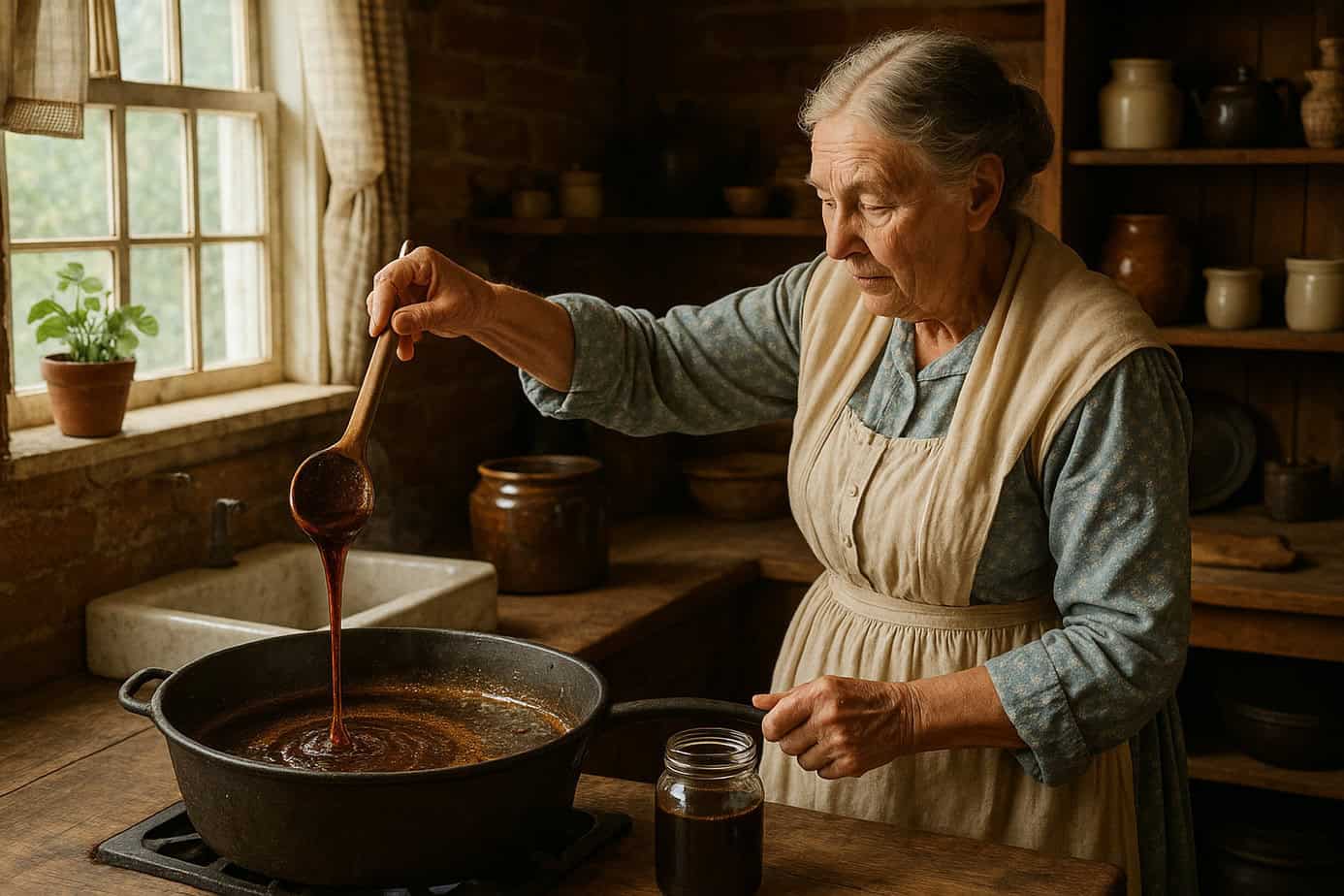
Before we get rolling, here is a quick intro to set the scene. For generations across the American South, Appalachia, the Great Plains, and the northern beet belt, families made their own sweeteners because sugar was expensive, hard to find, or sometimes unavailable for months at a time. Learning how to make molasses at home was a normal seasonal ritual and a lifeline skill. What we call a hobby today was a survival tactic then. With more preppers rethinking their food systems, this old skill is quietly making a comeback.
Underground Survival Shelters: How to Live, Store, and Thrive Below the Surface
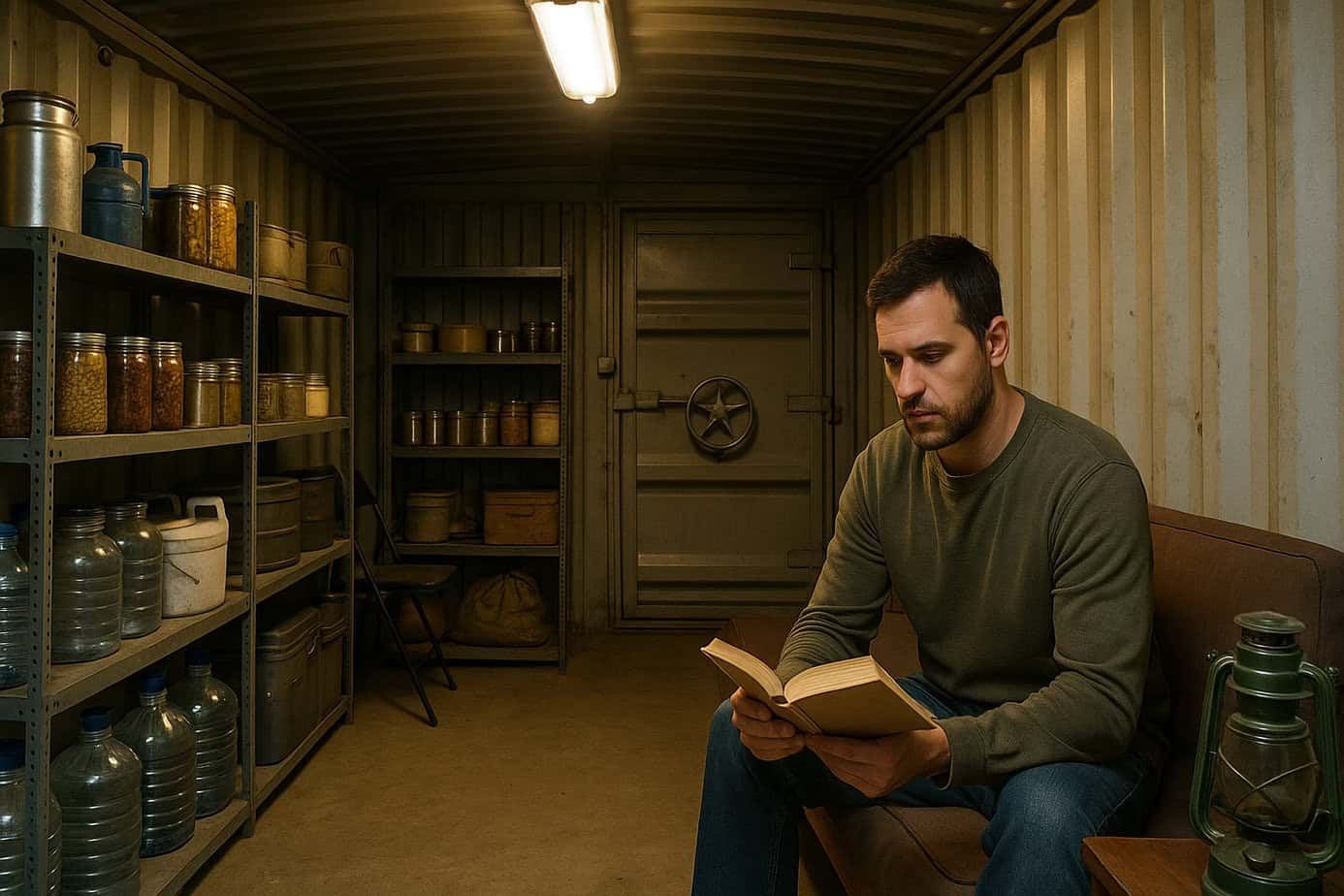
Building a life that can withstand long-term disruption isn’t just about storing food or stacking gear. It’s about creating a space where you can operate when the outside world stops playing by the rules.