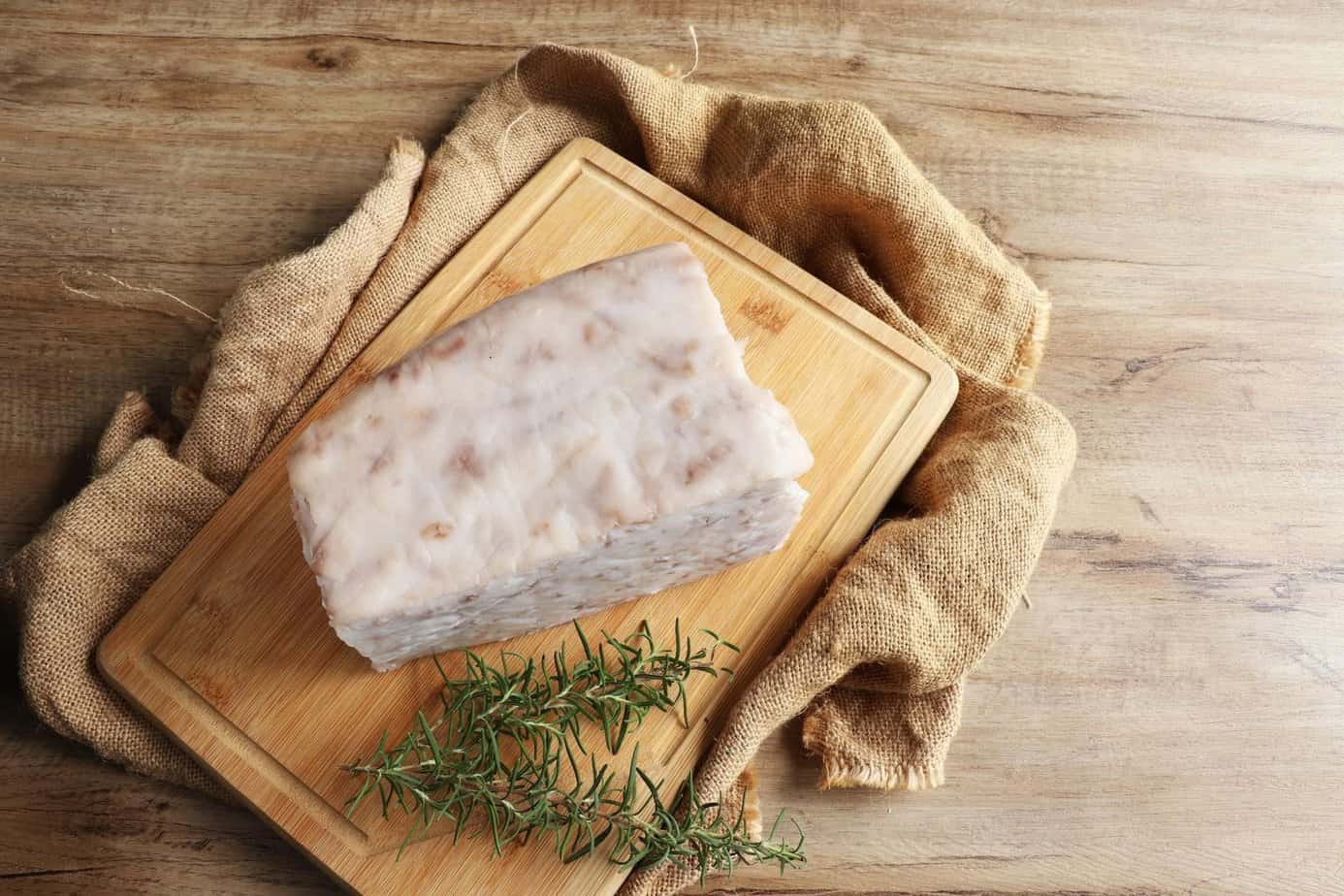
The difference between starving slowly and surviving winter wasn’t protein, it was fat. Every old European culture knew this long before electricity, supermarkets, or the idea that “lean meat” was somehow noble.
food preservation
How to Make Molasses at Home: The Forgotten Survival Sweetener Every Prepper Should Know
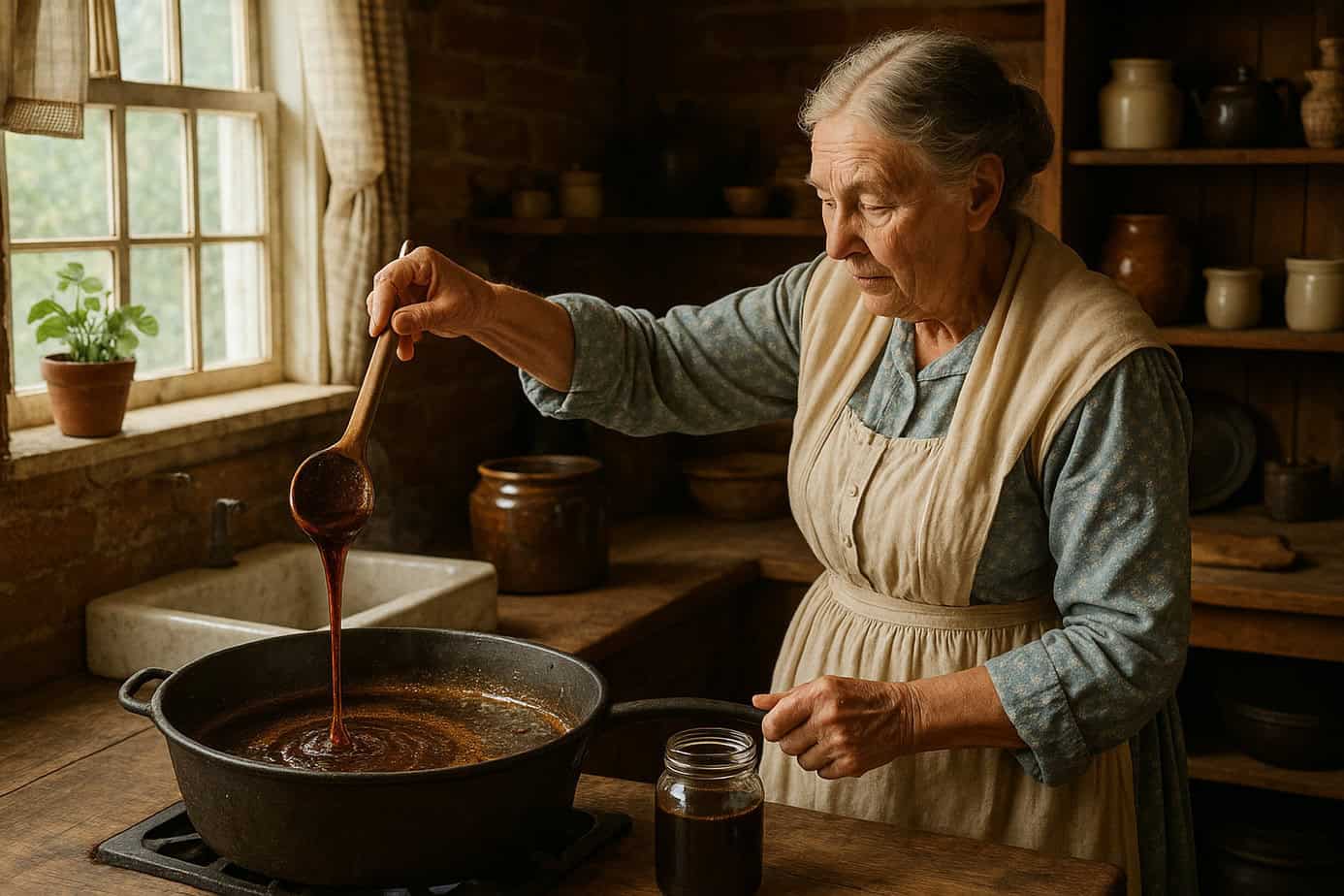
Before we get rolling, here is a quick intro to set the scene. For generations across the American South, Appalachia, the Great Plains, and the northern beet belt, families made their own sweeteners because sugar was expensive, hard to find, or sometimes unavailable for months at a time. Learning how to make molasses at home was a normal seasonal ritual and a lifeline skill. What we call a hobby today was a survival tactic then. With more preppers rethinking their food systems, this old skill is quietly making a comeback.
Advanced Amish Survival Foods: Grains, Meats, and Shelf-Stable Mastery
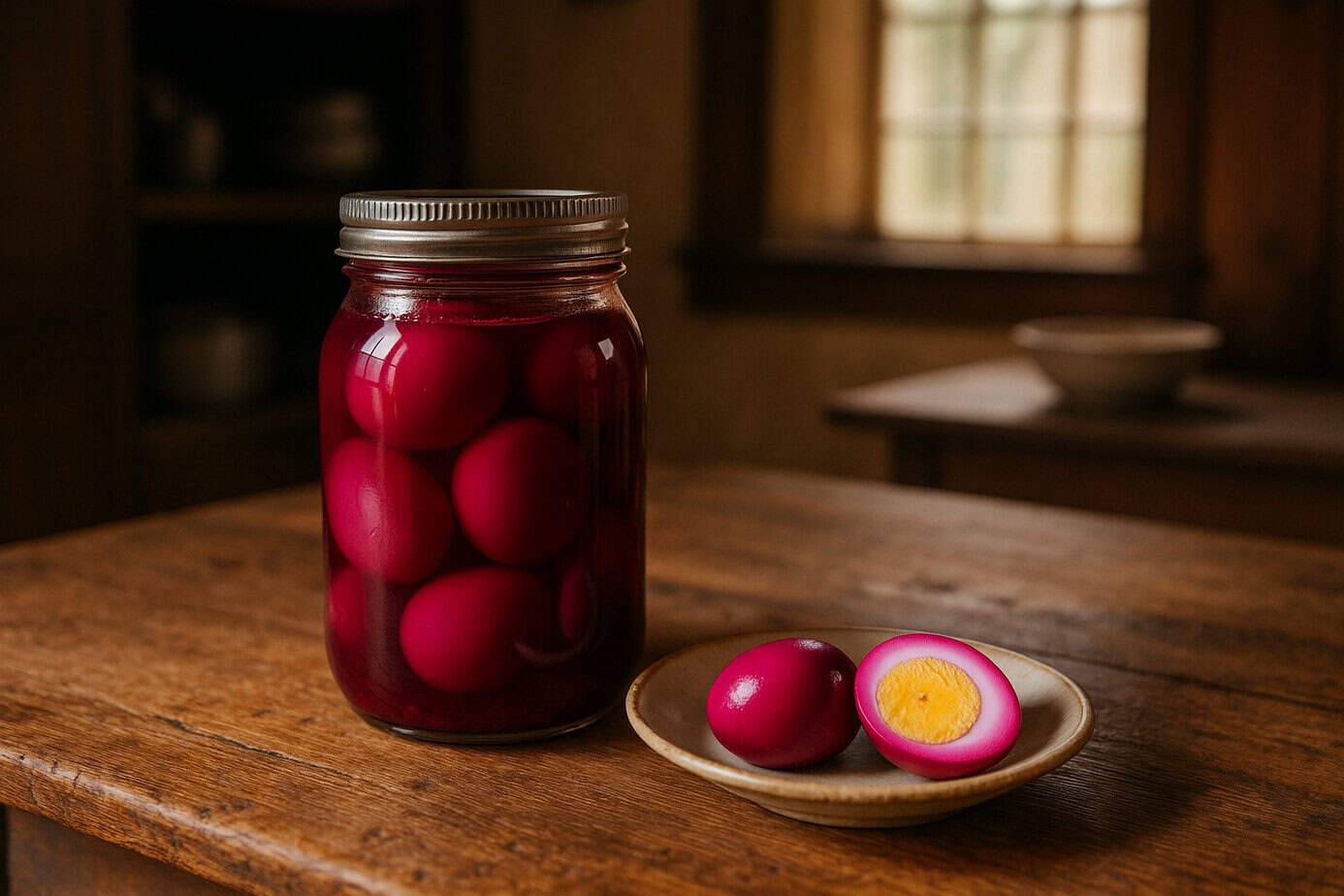
In the first part of our Amish Survival Foods series, we uncovered the foundation, cornmeal, canning, and the quiet art of preservation. Now we go deeper as this second half reveals the advanced off-grid techniques that make Amish pantries legendary: wax-sealed cheeses that last for months, sugar made from beets, schnitz dried under autumn sun, and grains milled by horse-power instead of electricity.
Amish Survival Foods: Time-Tested Pantry Secrets From a Culture That Lives Without the Grid
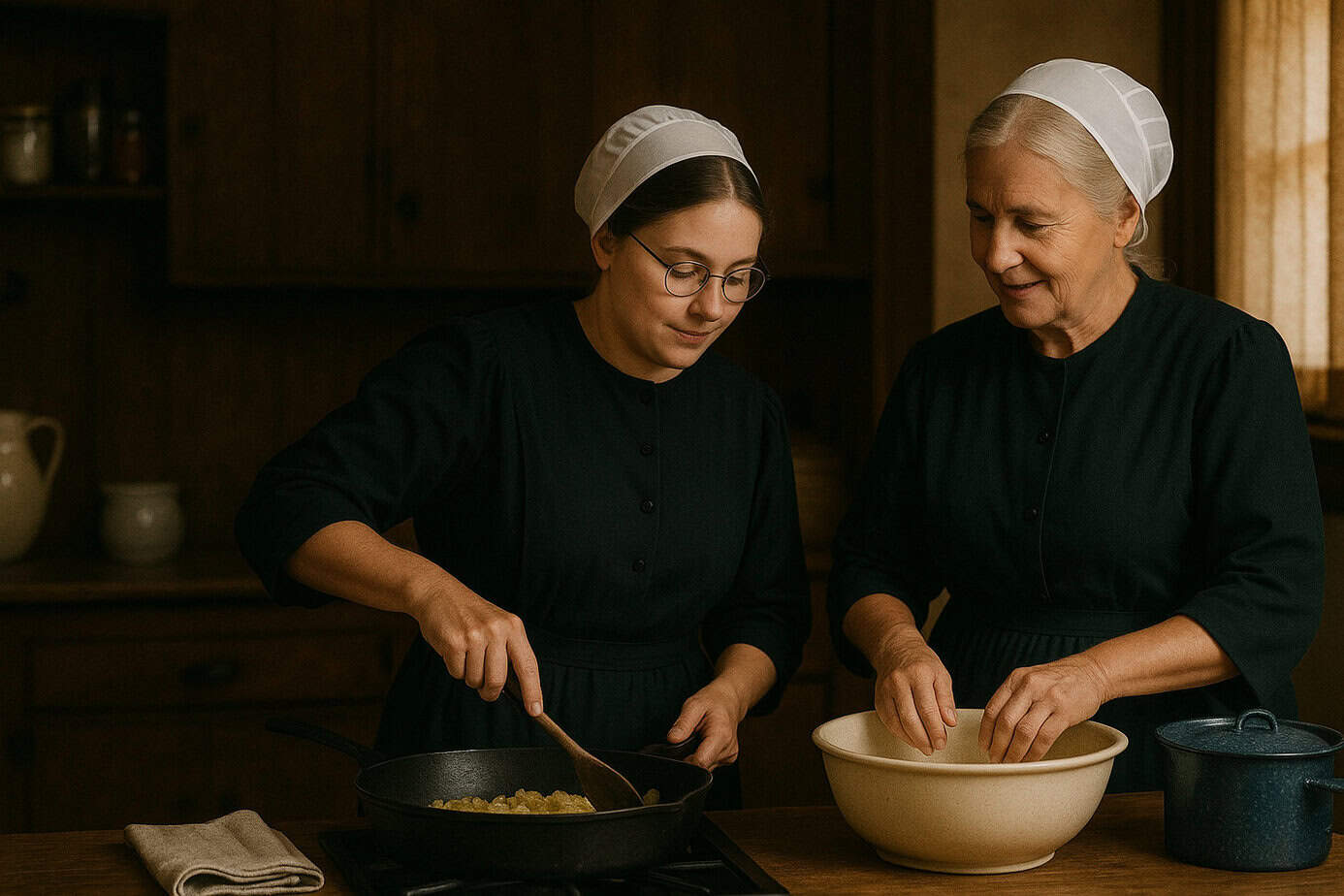
If you’ve ever stepped inside an Amish kitchen, you’ve seen the kind of food security most preppers only dream of rows of jars glowing like stained glass, crocks of lard sealed tight, and shelves lined with grains older than the internet. For the Amish, survival isn’t a plan, it’s a rhythm of life. No generators, no freeze-dried kits, just discipline, faith, and centuries-old methods that make electricity optional.
Flour Shelf Life: How to Store It for 10+ Years Without Bugs or Spoilage
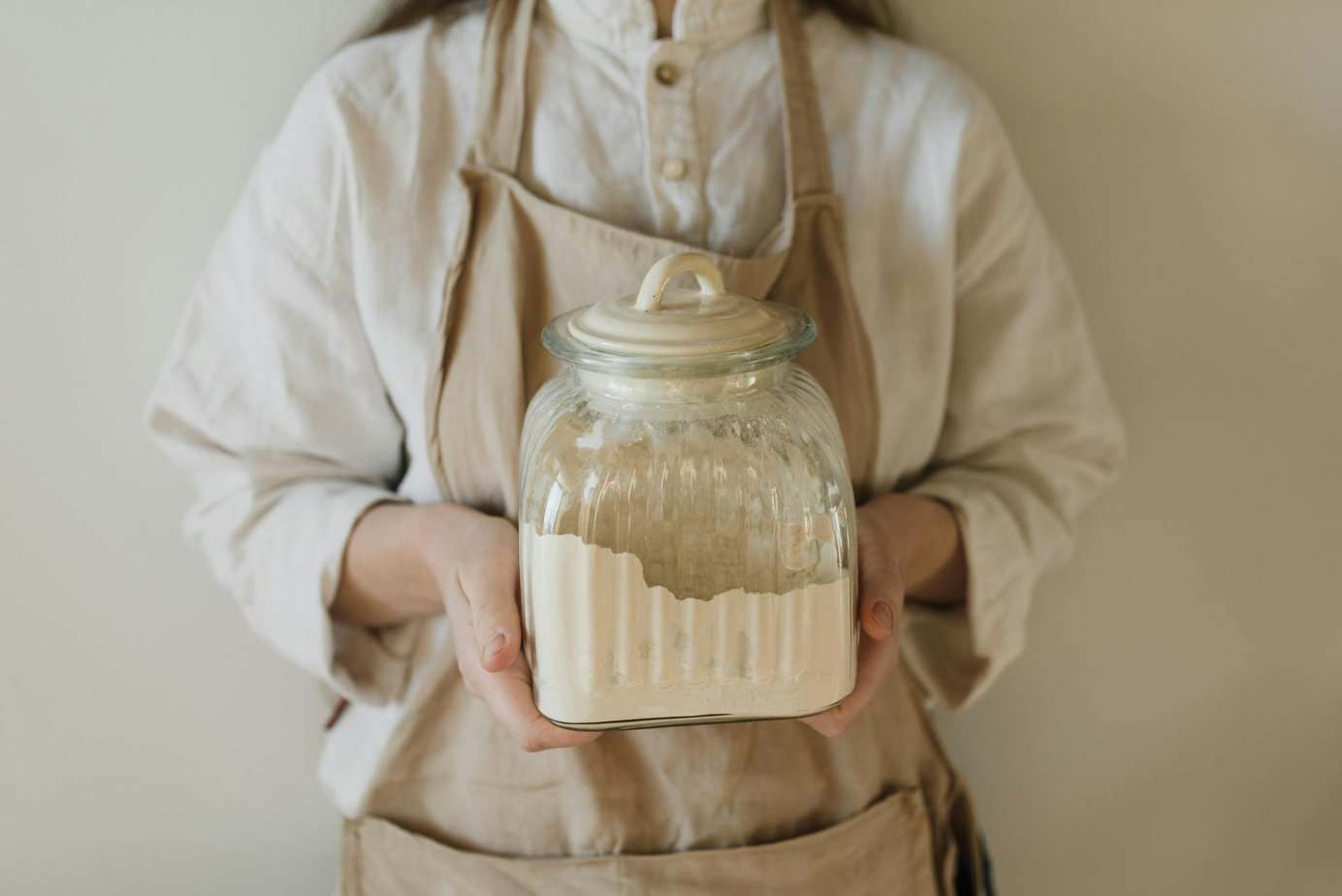
When most folks think about stockpiling food, they picture buckets of rice, beans, and salt, but flour shelf life is what quietly determines how sustainable your food supply really is. You can have all the grains in the world, but if your flour turns rancid or full of bugs, you’ve lost more than calories, you’ve lost comfort, barter value, and baking flexibility.
The Best Long Shelf Life Foods in 2025 (Freeze-Dried, Storage Secrets, and Real Prepper Math)
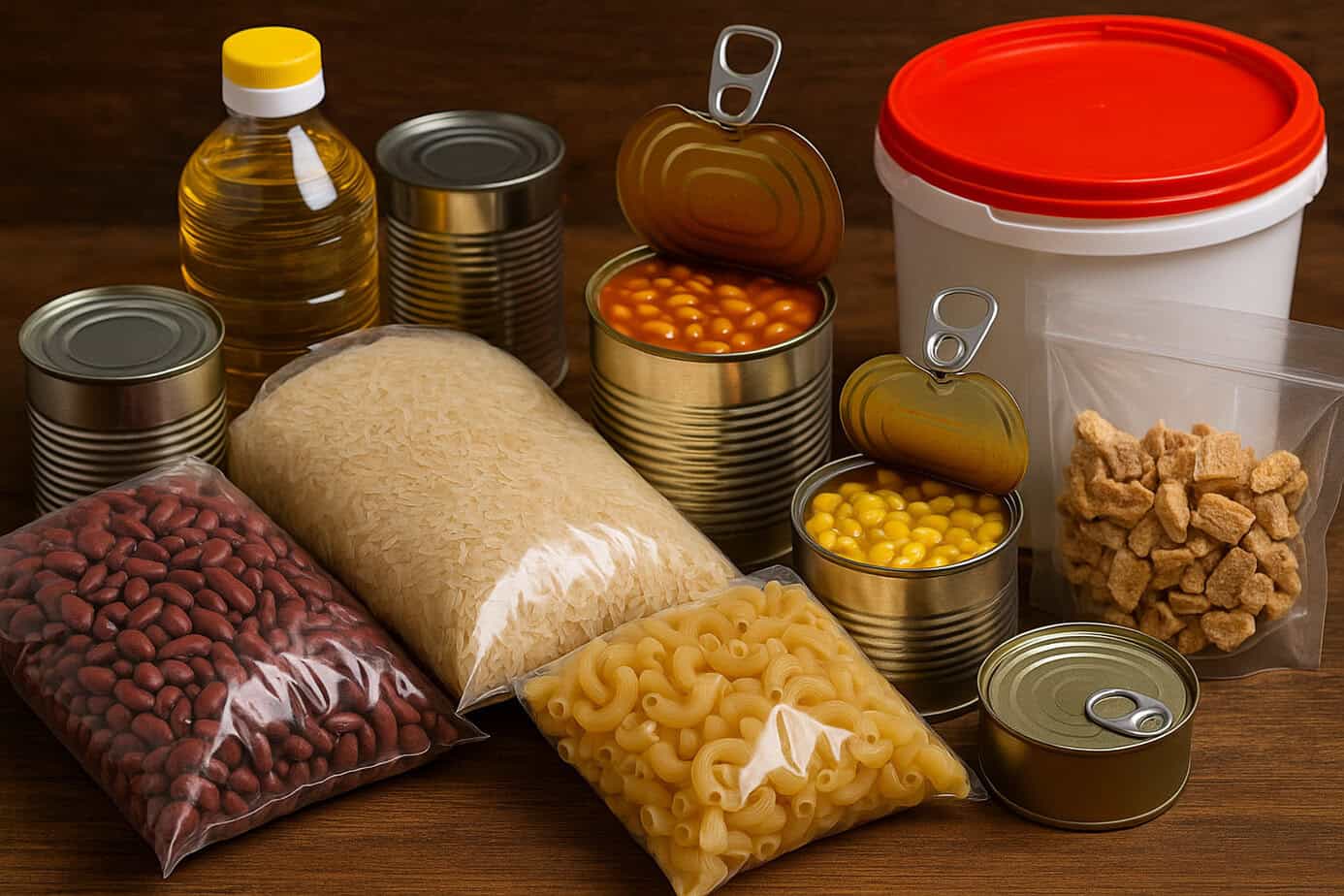
Staples are the backbone. But let’s be honest, after your fifth straight week of rice and beans, morale starts to sink. That’s where freeze-dried and commercial survival foods step in. They’re not meant to replace staples, but to layer on top of them, variety, convenience, and long shelf life without the daily grind of grinding wheat or soaking beans.
The Best Long Shelf Life Foods in 2025 (Staples That Outlive You)

There’s no getting around it, when everything goes dark, food becomes time. And time is survival. You can have a closet full of gadgets, the best rifles on the market, even a top-tier bug-out bag, but if your food stash turns rancid or runs out too fast, you’re not surviving much of anything.
The Ultimate Guide to Making Biltong for Survivalists and Preppers

Biltong is the most popular traditional South African product, and its origin dates back to the early Dutch settlers. They used biltong and droëwors to stockpile meat that they could take with them on their long treks into the unknown interior before the days of refrigeration.
How Long Will Your Canned Food Last?

Canned food often takes the spotlight in stories about the world after a major disaster, and there’s a good reason why. It stays fresh for a long time, holds up well even if it gets banged around a bit, and is kept safe from harmful bacteria.
Preserving Herbs In Vinegar

Cultivating your own herb patch might present a frustrating dilemma when you find yourself swamped with more herbs than you can promptly consume before they begin to wither. So, what steps can you take to utilize these herbs efficiently and avoid wastage?
Using A Time-Tested Food Preservation Method When There’s No Fridge – 8 Available Options

Living off the grid and achieving food self-sufficiency is a noble pursuit, but it comes with its own set of challenges. One of the biggest hurdles is food preservation – keeping your harvest fresh and edible without the convenience of a refrigerator or freezer. Fear not, fellow homesteaders! There are numerous methods, both time-tested and innovative, to extend the shelf life of your food and keep your pantry stocked throughout the year.
Fresh Egg Tips – There’s More To Eggs Than Just Cooking Them

Many people love having backyard chickens, and one of the best things about it is getting fresh eggs. There’s something special about finding a new egg in the coop, and it’s always exciting, no matter how many times you do it.
Preserving Nutrition In Long-Term Food Storage

People cultivate gardens for a variety of reasons. Some seek a connection with nature and a chance to relax, while others embark on gardening endeavors to cut down on grocery expenses or minimize their trips to the store.