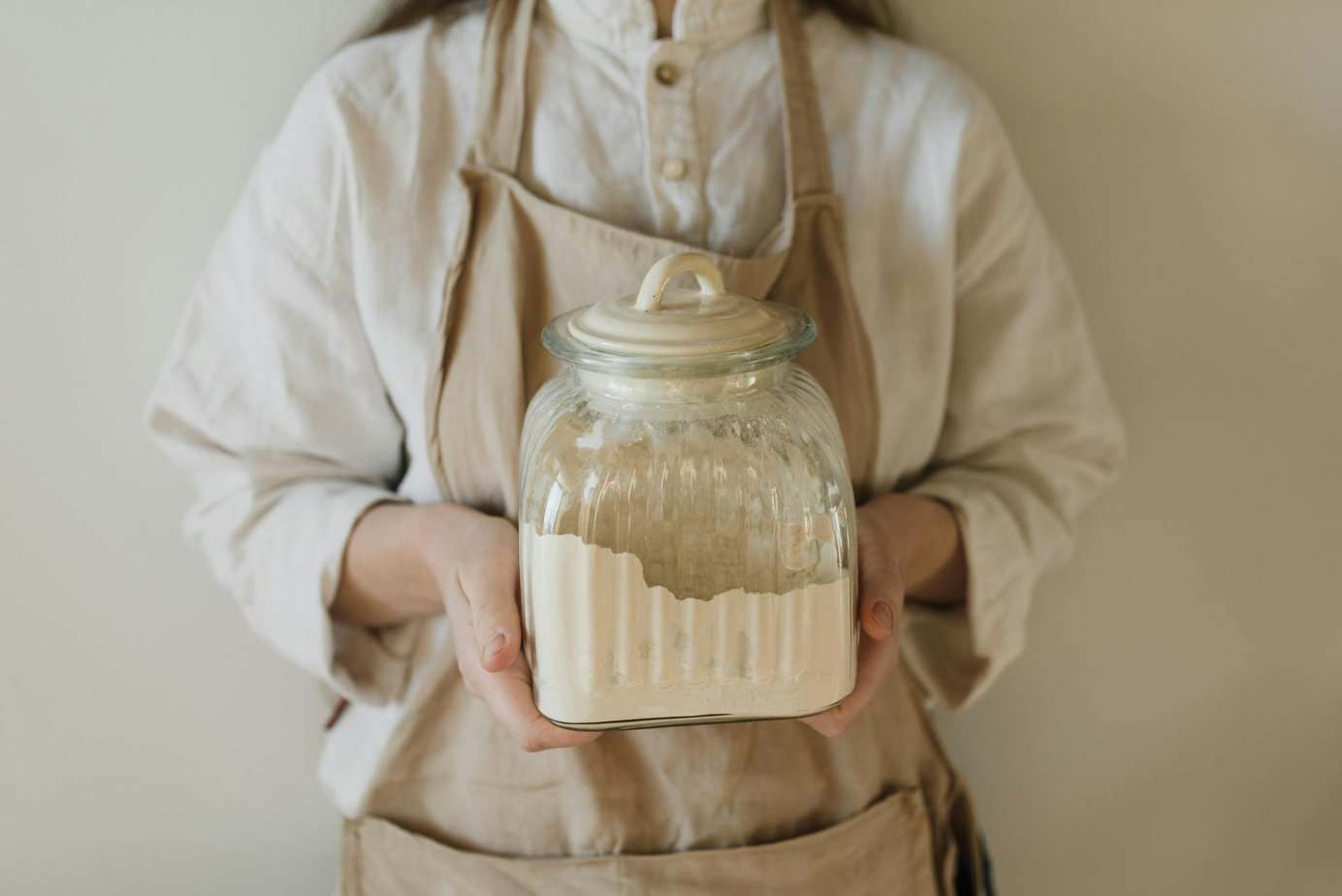
When most folks think about stockpiling food, they picture buckets of rice, beans, and salt, but flour shelf life is what quietly determines how sustainable your food supply really is. You can have all the grains in the world, but if your flour turns rancid or full of bugs, you’ve lost more than calories, you’ve lost comfort, barter value, and baking flexibility.
For preppers and homesteaders, flour isn’t just an ingredient. It’s a backbone and it provides the smell of fresh bread on a cold morning when the world outside feels uncertain.
Why Flour Shelf Life Matters More Than You Think
Over the past few years, more Americans have started paying attention to how long their staples actually last. With grocery prices climbing and supply chain hiccups still rippling through 2025, people are buying 25- or 50-pound sacks of flour like they used to buy toilet paper during lockdowns. And that’s smart, but here’s the catch: flour doesn’t last forever, not even in those thick paper bags it comes in. If you don’t store it properly, you could lose an entire stash in less than a year.
Here’s what most folks don’t realize: every kind of flour, white, wheat, spelt, even almond, carries its own built-in timer. The oils, bran, and exposure to oxygen determine how fast that timer runs out. Whole wheat flour, for example, spoils quicker than white because of its natural oils. Almond flour? It can go bad in just a few months unless it’s sealed and frozen.
But here’s the good news, with the right storage techniques, you can extend your flour shelf life to 10 years or longer without bugs, moisture, or off smells. You don’t need a bunker or a $1,000 setup, either. You just need to understand what’s killing your flour, and how to keep it from happening. That’s what this guide is all about: real-world, affordable methods that actually work for both rural homesteads and city apartments alike.
Because let’s face it, flour is survival comfort food. It’s pancakes on a solar stove, thickened stew on a wood fire, or barter-ready sourdough starter for your neighbors. Protecting your flour means protecting a small slice of normalcy when everything else feels shaky.
What Really Affects Flour Shelf Life (and Why It Goes Bad So Fast)
If you’ve ever opened a forgotten bag of flour and caught that stale, sour smell, you already know the ugly truth: flour doesn’t just sit quietly on a shelf forever. The clock starts ticking the moment it’s milled, and understanding what shortens flour shelf life is the first step toward keeping your stash fresh for the long haul.
The biggest culprit is oxygen. Once air gets into flour, it starts to oxidize the natural oils inside, especially in whole grain varieties. That’s what leads to that faint paint-like odor when flour goes rancid. White flour, stripped of those oils, lasts longer, but even it isn’t immune. Then there’s moisture, the silent killer of long-term storage. A little humidity can clump your flour, invite mold, or worse, hatch weevils that were already hidden in the grain dust when you bought it.
Temperature swings also play a huge role in flour shelf life. Warm storage spaces, like a kitchen pantry next to the oven, speed up spoilage dramatically. Keeping flour in a cool, dark, dry area isn’t just a tip; it’s the golden rule. Light exposure can degrade vitamins and attract condensation, and even a few weeks in a sunny window can knock months off your storage time.
One thing people rarely think about is packaging. The paper bag your flour came in is basically a welcome mat for oxygen and bugs. It’s designed for short-term grocery shelf turnover, not survival prepping. Transferring flour into sealed containers or Mylar bags right away makes a massive difference. It’s the kind of small step that quietly doubles or even triples your flour’s usable lifespan.
When you start paying attention to what’s shortening your flour shelf life, air, moisture, heat, and time, you’ll see just how easy it is to fight back. With a few smart storage choices, you can turn something that usually lasts months into something that endures for a decade or more.
Choosing the Right Flour for Long-Term Storage
Not all flours are created equal and when it comes to long-term prepping, the type of flour you choose can make or break your storage goals. Some flours naturally have a longer flour shelf life than others, and understanding why can save you a lot of frustration (and wasted buckets) down the road.
Let’s start with the basics. White flour, the all-purpose kind most people bake with, is your long-term champion. It’s had most of the oils and bran removed during milling, which means fewer natural fats to turn rancid over time. Sealed properly with oxygen absorbers and kept cool, it can easily last ten years or more without losing flavor or texture. That’s why it’s the backbone of most prepper pantries.
Whole wheat flour, on the other hand, is trickier. It still contains the bran and germ, which means it’s full of nutrients, but also natural oils that go bad faster. Even in Mylar bags, its flour shelf life tends to max out around five years unless it’s frozen or stored in a deep-cool environment. Many preppers grind wheat berries as needed instead of stockpiling whole wheat flour, because unground wheat berries can last 25-30 years under the same conditions.
Then there are alternative flours, almond, oat, rice, coconut, and spelt. These are great for gluten-free or specialty baking, but their natural fat content means they spoil quickly. Almond flour can turn rancid within six months at room temperature. If you’re going to store these, vacuum sealing and freezing are your best bets.
When planning your prepper pantry, think of flour like fuel: some burns clean and steady, while others need special handling. A smart strategy is to stock mostly white flour for longevity, keep a smaller supply of whole wheat for nutrition, and add a few specialty flours for variety and morale. The right mix gives you both staying power and flexibility, something every self-reliant household can appreciate.

The Enemies of Flour: Moisture, Oxygen, Light, and Bugs
If flour had a hit list, these four would be right at the top: moisture, oxygen, light, and bugs. They’re the silent assassins that sneak into your storage setup and quietly destroy your investment. You might think a sealed bag or a lidded bin is good enough, but if one of these elements gets in, your flour shelf life starts dropping fast.
Let’s start with moisture, because it’s the most unforgiving. Even a small amount of humidity can cause clumping, mold growth, or fermentation inside your container. Once that happens, there’s no saving it. That’s why preppers store flour in dry, temperature-stable spaces, preferably below 70°F. In humid climates, tossing a silica gel pack or two in your outer container can make a world of difference.
Next up: oxygen. It’s invisible but relentless. As soon as air hits your flour, oxidation begins, breaking down the fats that give flour its natural aroma and freshness. The fix? Use oxygen absorbers inside Mylar bags or sealed jars. Removing that oxygen not only prevents spoilage but also starves any insect eggs that might be lurking in the flour dust (yes, those are real, and yes, they hatch if you ignore them).
Light is another sneaky threat to long-term storage. It doesn’t just warm up the flour, it degrades nutrients and shortens the flour shelf life by raising internal temperatures. That’s why opaque or dark containers, or even a simple closet, are better than clear bins on open shelves.
And then there are bugs, the bane of every pantry. Weevils and flour moths are the usual suspects, and once they show up, they spread fast. Freezing new flour for 48 hours before storing kills any hidden eggs, preventing infestations before they start. A simple step, but one that separates a rookie pantry from a veteran prepper stash.
Keeping these four enemies out isn’t complicated; it’s just about consistency. Control moisture, eliminate oxygen, block light, and kill bugs before they hatch. Get those right, and your flour will last longer than most people think possible.
How to Store Flour for 10+ Years Without Losing Quality
Getting your flour shelf life past the ten-year mark isn’t magic, it’s a process. If you follow a few proven steps and use the right materials, you can keep flour tasting as fresh a decade from now as it did the day you bought it.
Start by pre-freezing your flour. This is the simplest way to kill off any insect eggs that might already be hiding in the bag (and yes, nearly all store-bought flour has a few). Seal the flour tightly in its original packaging or a freezer-safe bag, freeze it for 48 hours, then let it return to room temperature before storage. That little freeze cycle prevents future heartbreak.
Next, choose your container wisely. For serious long-term storage, go with Mylar bags and oxygen absorbers. Mylar is lightproof and airtight, which protects against both oxidation and pests. Use one 300cc oxygen absorber per quart-sized bag (or five per 5-gallon bucket) and then seal the top with a hot iron or heat sealer. Once sealed, store the bags inside food-grade buckets with tight lids. The bucket gives you an extra layer of protection against rodents, moisture, and accidental punctures.
If you’re prepping in an apartment or don’t have space for big buckets, try vacuum-sealed bags or mason jars with oxygen absorbers. They’re compact, easy to stack, and ideal for rotating smaller quantities into everyday use. Urban preppers often tuck these away in closets or under beds, anywhere cool and dark.
Temperature matters too. Every 10°F increase in storage temperature can cut your flour shelf life in half. Keep your stash under 70°F if possible, and even lower if you live off-grid with a root cellar or basement setup.
Label everything clearly with the date and flour type. Rotation is your insurance policy: use the oldest bags first and top off your stash every year or two. You’ll always have fresh flour on hand, and you’ll never risk wasting a bucket because you lost track of what’s inside.
With this setup: freezing, sealing, shielding, and rotating, you’re not just storing flour. You’re locking in security, flexibility, and peace of mind for the long road ahead.
Storing Flour Without Mylar: Backup Methods That Work
Since not everyone has a stack of Mylar bags and a heat sealer ready to go, and that’s okay, there are still plenty of ways to extend your flour shelf life using common tools and containers most people already have at home. The key is understanding what each method does and what its limits are.
First up: mason jars. They’re airtight, reusable, and bug-proof when sealed with oxygen absorbers. Just fill the jars three-quarters full, drop in a 100cc absorber, and screw the lid tight. You can even vacuum seal the lids with a hand pump for extra insurance. This method isn’t as long-lasting as Mylar, but it can easily stretch your flour shelf life to 3-5 years if stored in a cool, dark space. It’s perfect for folks who like smaller, manageable portions rather than 25-pound sacks.
Next, there’s vacuum sealing. A basic countertop vacuum sealer (like the popular FoodSaver models) can pull out most of the air and dramatically slow oxidation. The only downside is that the plastic rolls most vacuum sealers use are clear, which means you’ll still need to store the sealed bags in something opaque or dark to protect from light exposure. Think plastic totes, buckets, or even cardboard boxes.
Then there’s dry canning, sometimes called “oven canning.” It’s an old-school method where you heat flour-filled jars in the oven to kill insects and seal the lids as they cool. While it can work short-term, most preppers avoid it now because the heat can partially cook the flour and shorten storage life if done wrong. Still, if you’re in a pinch, it’s better than leaving flour open to the air.
Finally, metal or glass containers with rubber gaskets, like cookie tins or large canisters, can hold you over for a year or two when combined with silica packs. Just remember: none of these methods are “set it and forget it.” Check your containers every six months for moisture, pests, or clumping.
Mylar is the gold standard, sure, but don’t let a lack of fancy gear stop you from building food security. As long as you control air, moisture, and light, your flour will stay fresh enough to feed you through whatever comes your way.
How to Tell If Your Flour’s Gone Bad (and What to Do About It)
Even with perfect storage habits, it’s smart to double-check your stash once in a while. Flour shelf life isn’t a guarantee, it’s a guideline. Over time, even well-sealed flour can start to lose freshness, especially if it’s been exposed to air or temperature swings. The trick is knowing how to spot trouble before it ruins a recipe or a batch of dough.
Start with the smell test. Fresh flour should smell mild, almost sweet, with just a hint of grain. If it smells sour, musty, or even faintly like paint or playdough, it’s gone rancid. That odor means the natural oils in the flour have oxidized, and the quality is long past its peak. The same goes for off colors, if your flour looks yellowish or gray instead of bright white or tan, something’s wrong.
Next, check for texture changes. Flour that’s been exposed to moisture will clump or feel slightly damp when you run it between your fingers. You might even see tiny webs or movement, sure signs of weevils or moth larvae. Don’t try to save infested flour; once bugs get in, they’ll spread fast. Toss it, clean the container thoroughly, and treat the surrounding area to stop reinfestation.
If you’re unsure whether older flour is still usable, try a “test bake.” Mix a small batch of dough or pancake batter and see how it behaves. If it smells normal, rises well, and tastes fine, you’re probably safe. But if the texture’s off or the flavor tastes stale or bitter, that’s your cue to rotate in a fresher batch. Keeping a rotation schedule ensures your flour shelf life never works against you, you’re always cycling through the oldest stock first.
And don’t feel guilty about discarding questionable flour. Even seasoned preppers lose a bag or two once in a while. The important thing is to learn from it. Check your seals, your temperature, and your labeling habits. Every mistake makes the next batch more secure, and that’s how you build real, lasting resilience.
Smart Flour Rotation Tips to Keep Your Stash Fresh
Long-term storage only works if you actually use what you store. That’s where rotation comes in, the often-overlooked habit that quietly keeps your pantry in top shape. Even with a 10-year flour shelf life, it’s smart to work your flour into regular use so you’re never left wondering what’s hiding in the bottom of a bucket.
Think of rotation as a slow, steady rhythm. Every time you open a new Mylar bag or vacuum-sealed jar, replace it with a fresh one dated for the current year. It’s a simple “first in, first out” system that ensures your oldest flour gets used first while your newer batches keep aging safely in storage. Most preppers mark dates with a Sharpie right on the Mylar or lid, no fancy labels required.
You can make rotation feel less like maintenance and more like a reward. Turn your stored flour into family traditions: Sunday pancakes, sourdough bread, biscuits, bannock by the fire. When your prepping habits blend into daily life, they stop feeling like chores. Using flour regularly also lets you check the quality of each batch, which helps confirm your flour shelf life strategy is actually working.
If you’re storing multiple types of flour, separate them by category, white, whole wheat, and alternative flours like oat or almond. Each has its own rhythm of freshness. For example, you might rotate white flour every 3–5 years, while almond flour might need refreshing every year or so. Keep smaller quantities of quick-spoiling flours in your kitchen for easy access and bulk white flour in long-term storage.
Don’t forget to keep a small “working bin” or jar in your kitchen. Refill it from your stored supply instead of buying new flour every time you run out. It keeps your stash moving, your storage updated, and your kitchen stocked with dependable, familiar ingredients.
Rotation isn’t just about food management, it’s about confidence. You know exactly what you’ve got, how old it is, and what shape it’s in. That’s the quiet discipline that separates a well-prepared household from one just hoping for the best.
Conclusion: Long-Term Flour, Long-Term Security
When it comes down to it, flour shelf life isn’t just about keeping food from spoiling, it’s about building stability into your daily life. Whether you’re baking bread in a cozy homestead kitchen or mixing flapjacks on a propane stove during a power outage, stored flour connects you to a sense of normalcy that’s hard to replace.
By controlling air, moisture, and temperature, and practicing a steady rotation routine, you can stretch your flour shelf life to a decade or more with confidence. Mylar bags, oxygen absorbers, or even just well-sealed jars, all of it adds up to freedom from panic buying and last-minute shortages. In the end, it’s not just about storing flour. It’s about storing peace of mind.

Frequently Asked Questions About Flour Shelf Life
1. How long does flour really last in storage?
Under normal pantry conditions, flour lasts 6-12 months. But when sealed in Mylar bags with oxygen absorbers and stored below 70°F, flour shelf life can stretch 10-15 years, especially for white flour. Whole wheat and alternative flours spoil faster because of their natural oils.
2. Can I store flour in the freezer long-term?
Absolutely. Freezing is one of the best ways to extend flour shelf life and kill insect eggs before long-term storage. Just make sure to let it reach room temperature before sealing it in Mylar or jars to prevent condensation.
3. Is it safe to eat flour that’s a few years old?
If it smells normal (mild, grainy) and has no signs of mold or bugs, it’s likely safe. The main risk is rancid taste or lost nutrients, not food poisoning. When in doubt, test bake a small batch first.
4. What’s the best flour for 10+ year storage?
Refined white flour or bread flour lasts the longest. Whole wheat, rye, and nut-based flours can still be stored long-term, but they benefit from colder environments and shorter rotation cycles.
5. How can I keep bugs out of my stored flour?
Freeze new flour for 48 hours before storing, use oxygen absorbers, and keep everything sealed airtight. Rodent-proof outer containers like food-grade buckets or metal bins add an extra layer of defense.
6. Should I add bay leaves or diatomaceous earth to stored flour?
Bay leaves don’t do much for long-term flour storage, and food-grade diatomaceous earth is optional but safe. Just use sparingly, too much can dry out the flour or affect texture.
🪶About the Author
Bob Rodgers is an lifelong outdoorsman, herbalist and seasoned prepper with over 20 years of real-world survival experience. As the founder of PreppersWill.com, he shares practical advice on self-reliance, off-grid living, and disaster preparedness, no hype, just hard-earned lessons from decades of hands-on prepping.
Recommended resources:
6 Wild Plants You Could Turn Into Flour
How to obtain an endless supply of water from air moisture
The Best Long Shelf Life Foods in 2025 (Staples That Outlive You)
Learn the math of stockpiling resources so nothing is missing when SHTF
