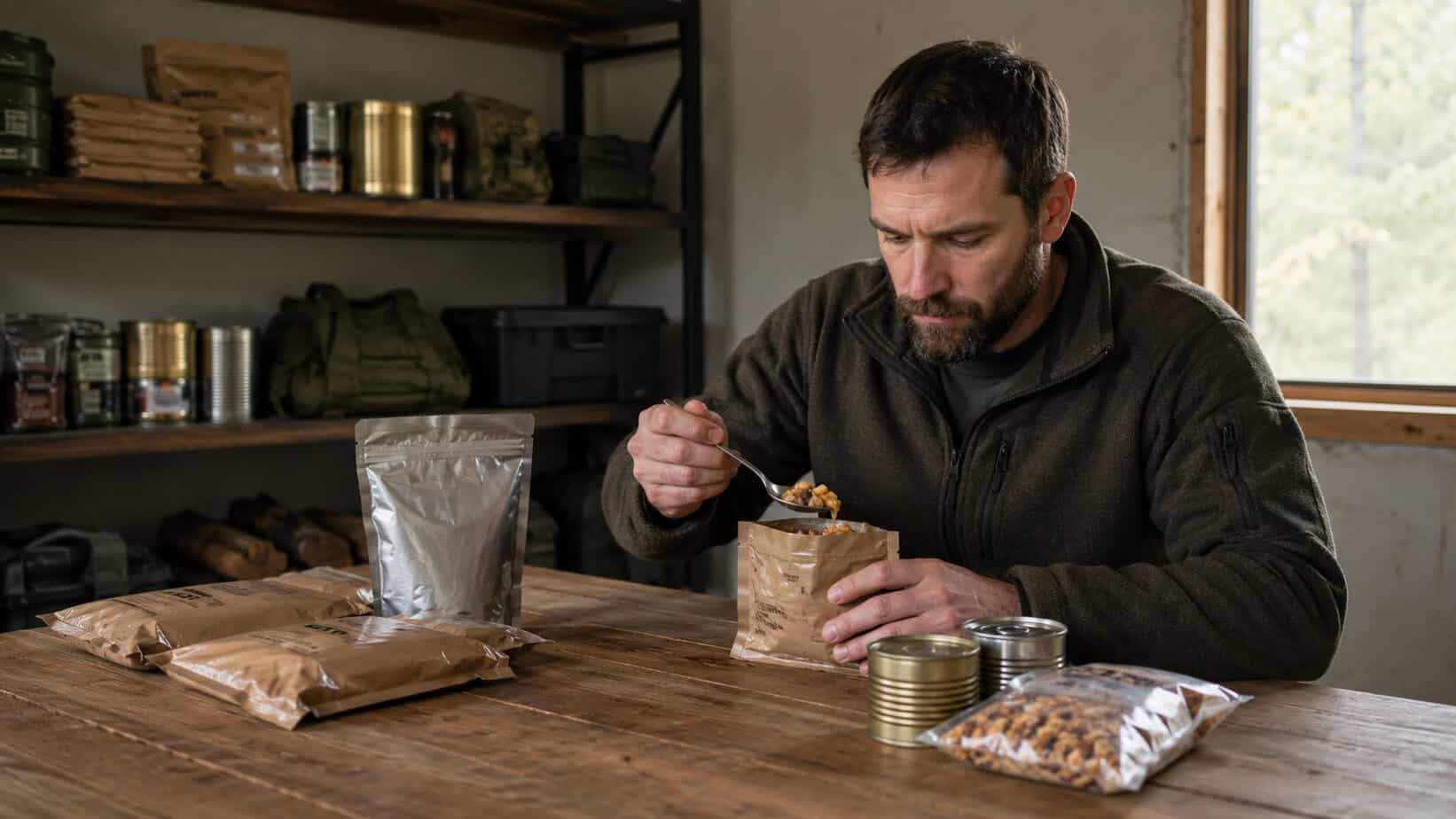
Most people build a survival pantry by asking one basic question: how long will the food last? That matters, but it is only half the story. The harder question is what happens when that pantry stops being backup food and becomes every meal, every day.
survival food
Best High-Calorie Emergency Meals for Cold Weather Survival

Winter is when food mistakes stop being uncomfortable and start becoming dangerous. Cold weather doesn’t just make you hungry. It burns calories faster, drains energy, and slows thinking. Your body works harder just to stay warm, even when you’re sitting still.
Famine Foods of Europe: When Survival Replaced Cuisine

When the topic of the famine foods of Europe is brought up, it often pictures strange recipes or lost peasant traditions. That misses the point because these weren’t foods chosen for flavor, culture, or even nutrition. They were eaten because the alternative was watching children starve, elders fade, and whole villages empty out. Cuisine disappears fast when granaries are bare.
European Survival Fats: The Ancient Calories That Kept Armies, Farmers, and Refugees Alive
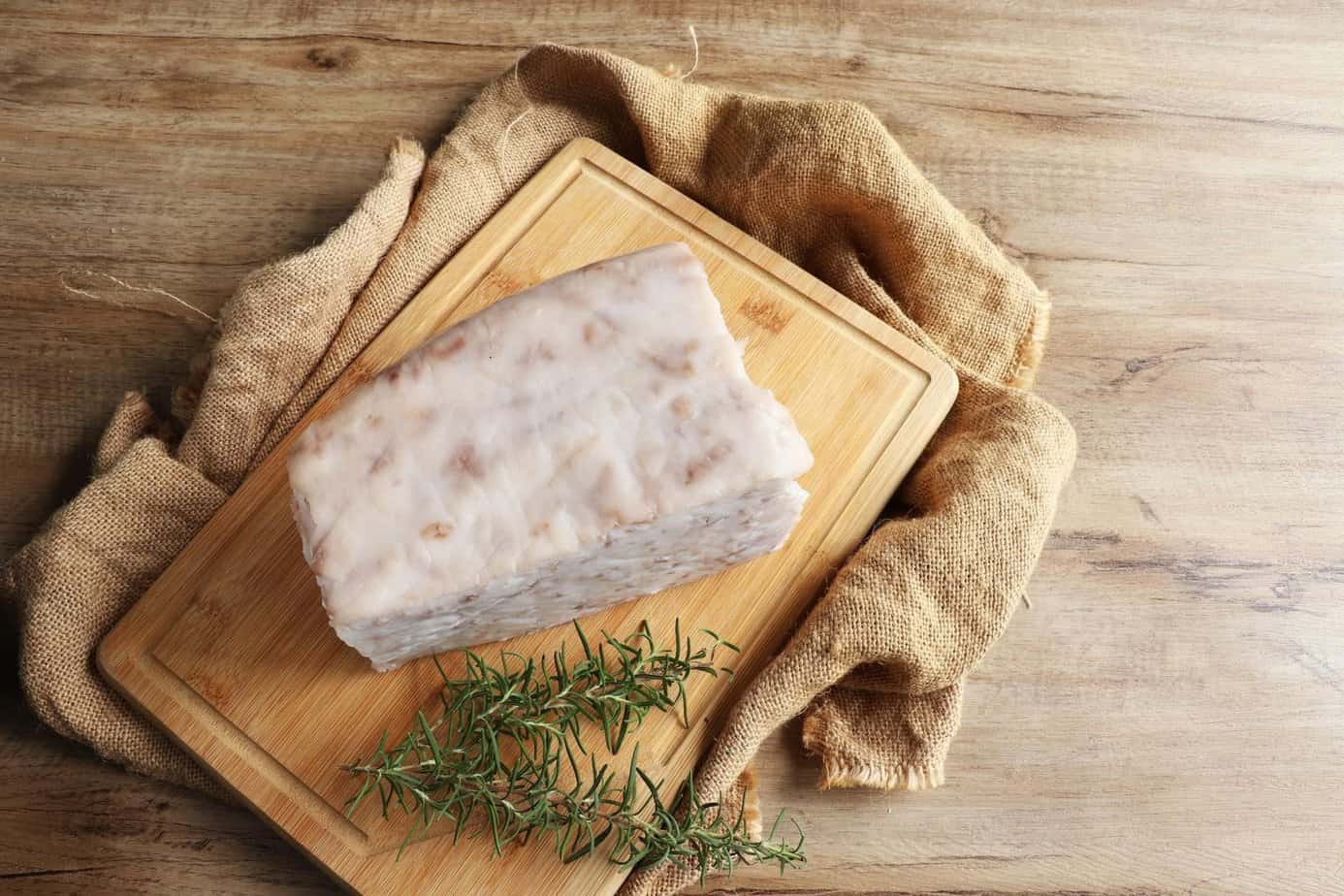
The difference between starving slowly and surviving winter wasn’t protein, it was fat. Every old European culture knew this long before electricity, supermarkets, or the idea that “lean meat” was somehow noble.
Winter Survival Hunting Skills | Part 2: Weapons, Trapping, Butchering, and Staying Alive

Winter has a way of testing everything you thought you knew. In Part 1, we talked about the foundation: reading tracks when the wind wipes half of them away, understanding how winter wildlife shifts patterns once the cold bites down, and how to scout terrain that looks deceptively simple under a few inches of snow. Those skills matter, and they’re what keep you from wandering blind through a frozen landscape.
Advanced Amish Survival Foods: Grains, Meats, and Shelf-Stable Mastery
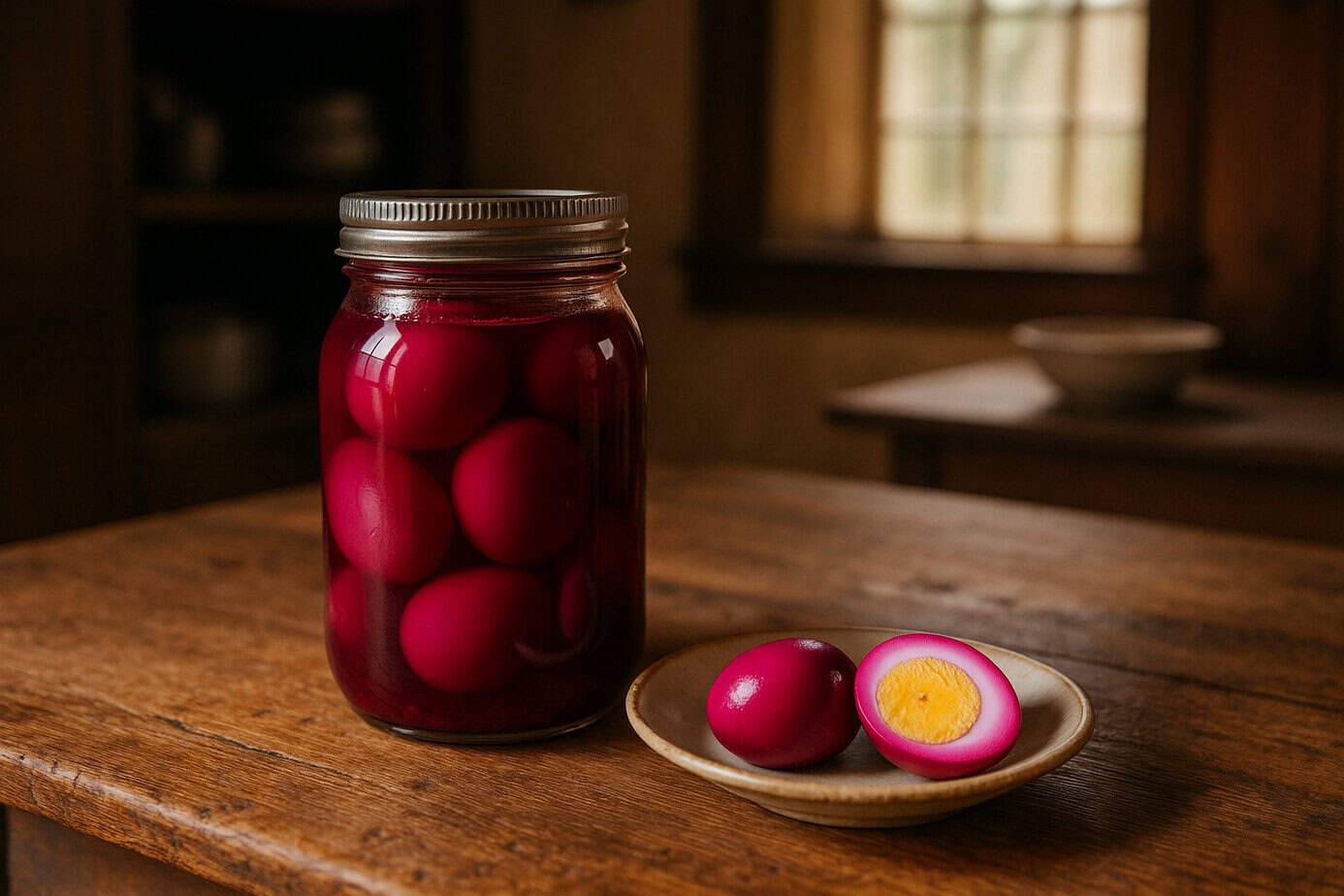
In the first part of our Amish Survival Foods series, we uncovered the foundation, cornmeal, canning, and the quiet art of preservation. Now we go deeper as this second half reveals the advanced off-grid techniques that make Amish pantries legendary: wax-sealed cheeses that last for months, sugar made from beets, schnitz dried under autumn sun, and grains milled by horse-power instead of electricity.
Amish Survival Foods: Time-Tested Pantry Secrets From a Culture That Lives Without the Grid
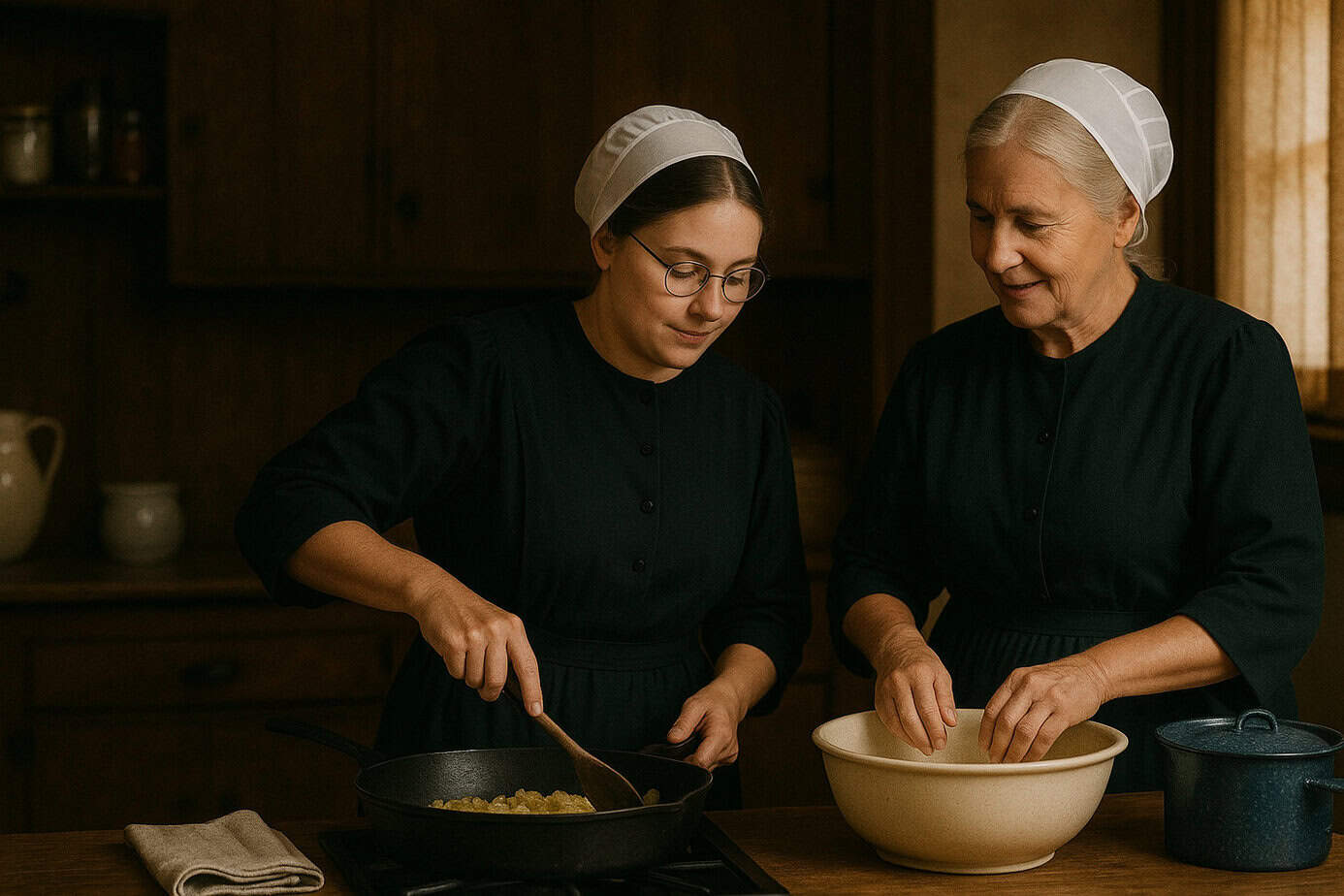
If you’ve ever stepped inside an Amish kitchen, you’ve seen the kind of food security most preppers only dream of rows of jars glowing like stained glass, crocks of lard sealed tight, and shelves lined with grains older than the internet. For the Amish, survival isn’t a plan, it’s a rhythm of life. No generators, no freeze-dried kits, just discipline, faith, and centuries-old methods that make electricity optional.
How to Buy Survival Food That Actually Lasts: A Real Prepper’s Guide
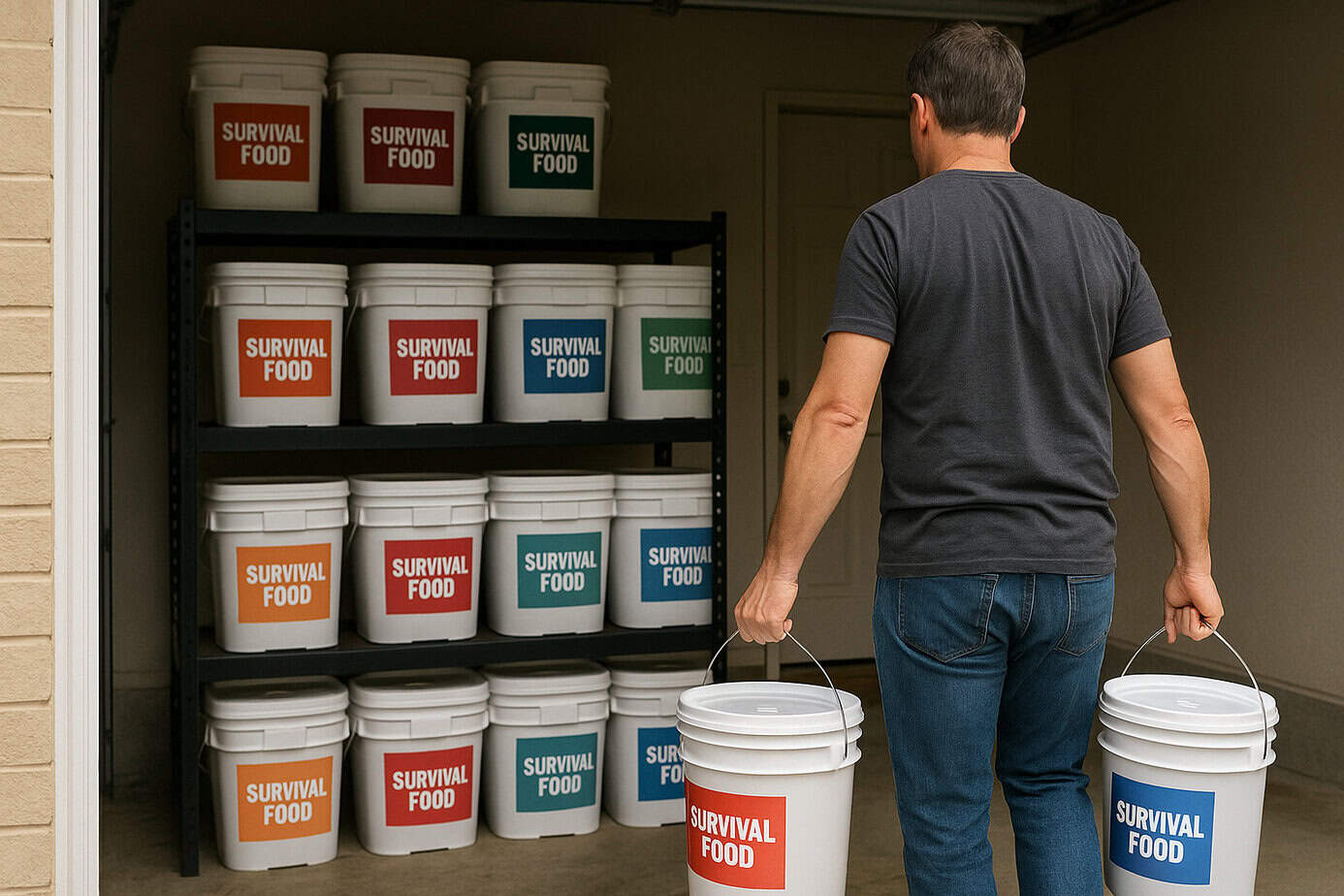
From personal experience I can tell you that most people have no clue how to buy survival food that actually holds up. They see a big, shiny bucket with “25-Year Shelf Life!” slapped on it and think they’re set for the apocalypse.
Flour Shelf Life: How to Store It for 10+ Years Without Bugs or Spoilage
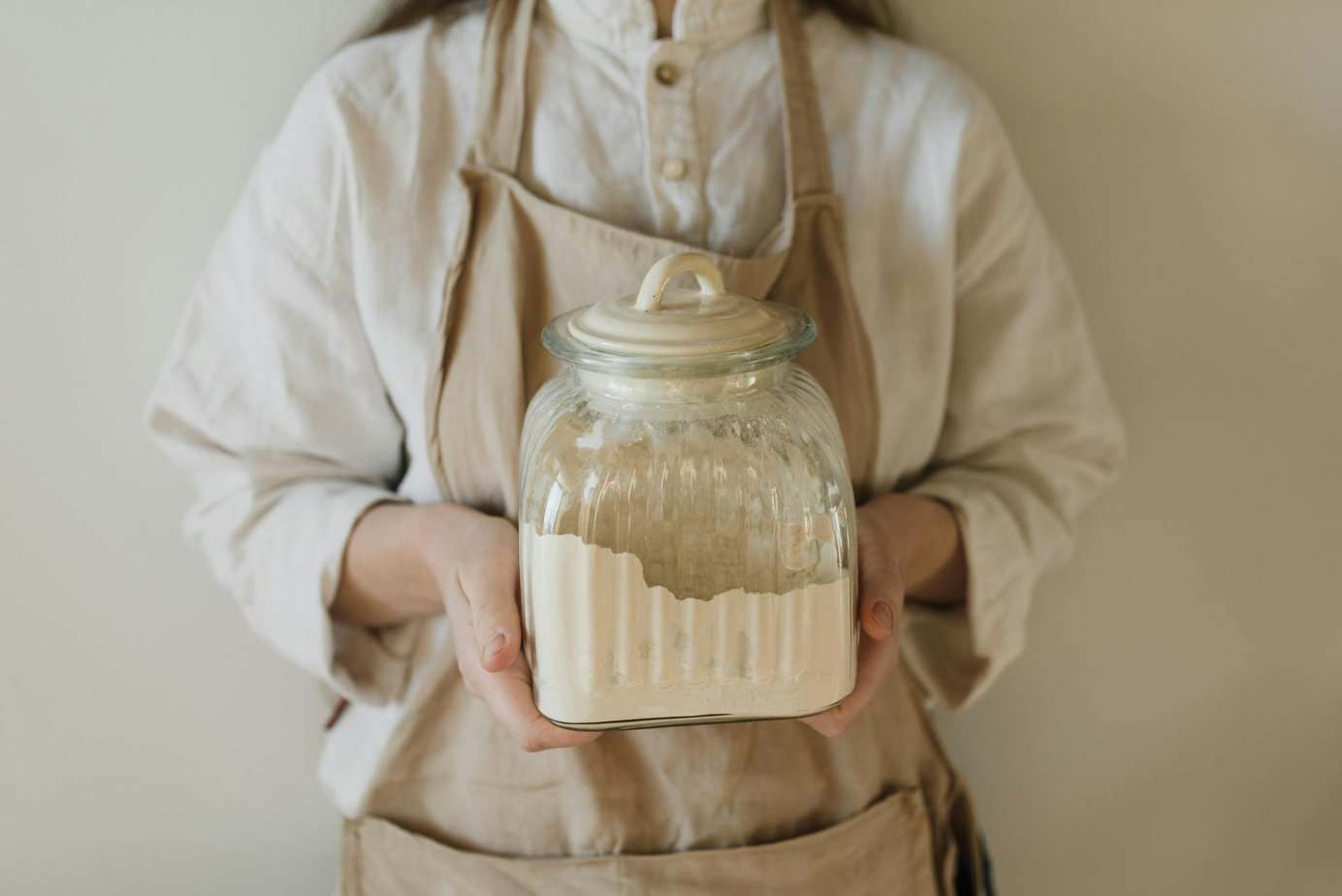
When most folks think about stockpiling food, they picture buckets of rice, beans, and salt, but flour shelf life is what quietly determines how sustainable your food supply really is. You can have all the grains in the world, but if your flour turns rancid or full of bugs, you’ve lost more than calories, you’ve lost comfort, barter value, and baking flexibility.
Long Term Food Storage in Basement (Part 1): Why It Works and How to Build It Right
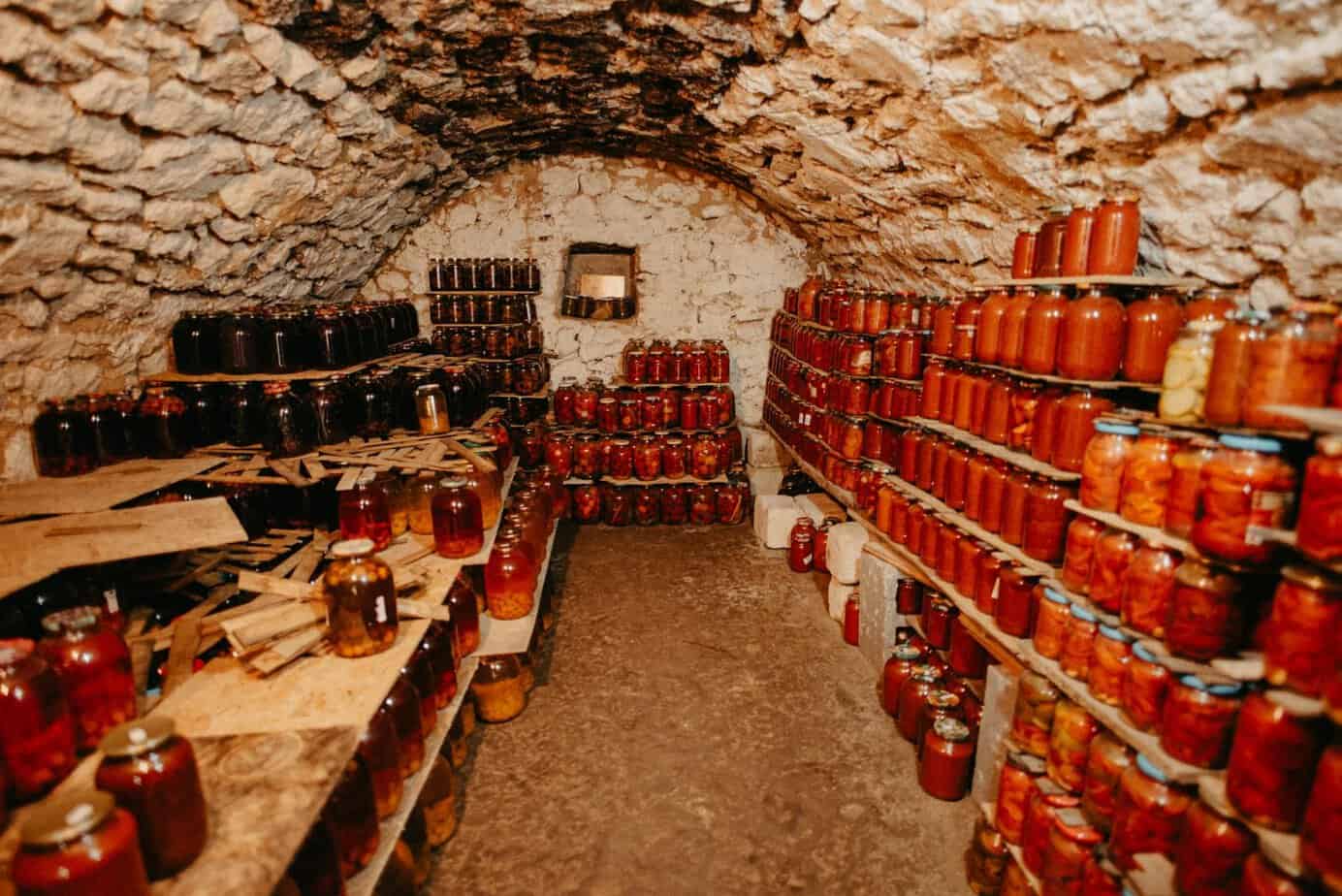
If you’ve ever stood in your basement and thought, “This could be my backup pantry if things ever went sideways,” you’re already thinking like a seasoned prepper. For decades, basements have been the quiet stronghold of food security in American homes, cool, dark, and out of the way.
Survival Gardening in Small Spaces: Grow Essential Foods Without Land (Part 2)
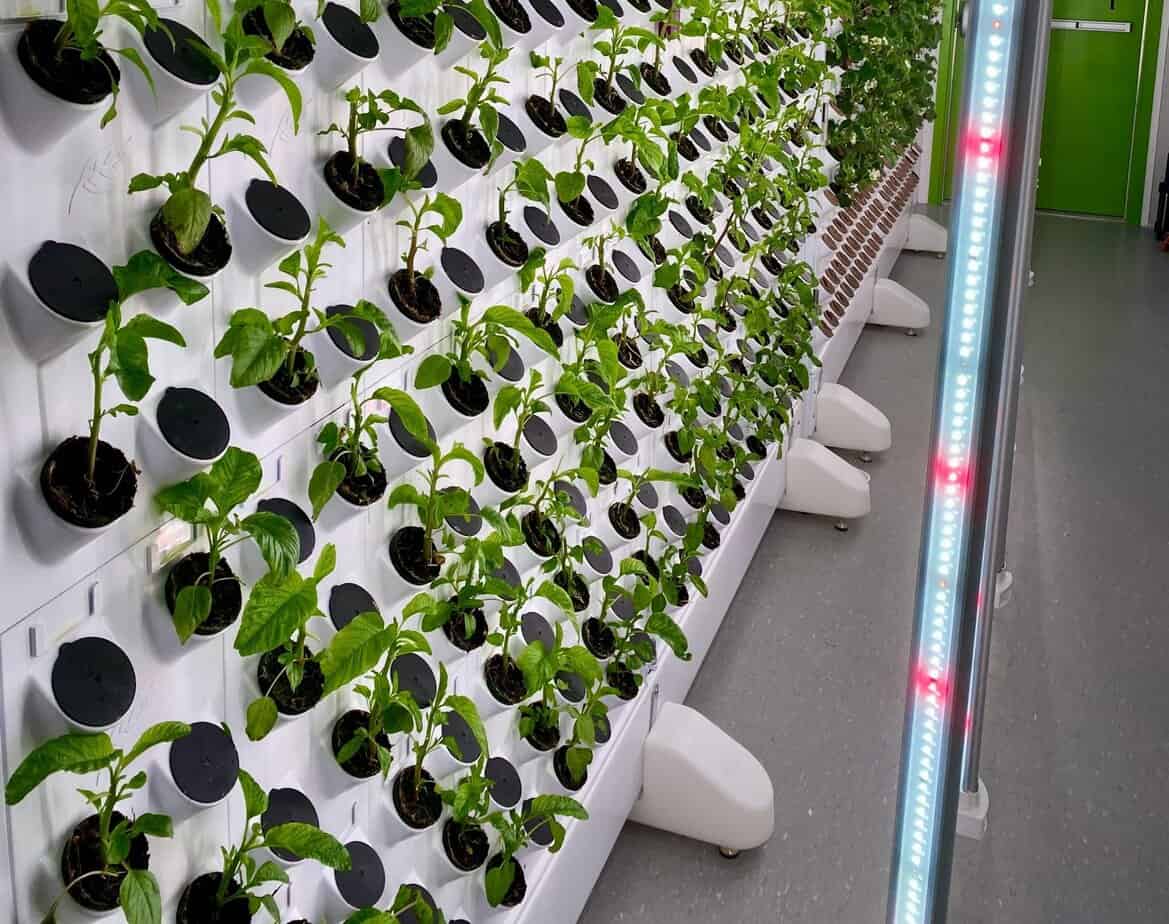
Welcome back to our comprehensive guide on survival gardening in small spaces. In Part 1, we established the fundamental principles, assessed space requirements, reviewed essential tools, and selected optimal crops for survival gardening in small spaces. Now we’ll explore advanced techniques that transform basic setups into highly productive, self-sustaining food systems.
The Best Long Shelf Life Foods in 2025 (Freeze-Dried, Storage Secrets, and Real Prepper Math)
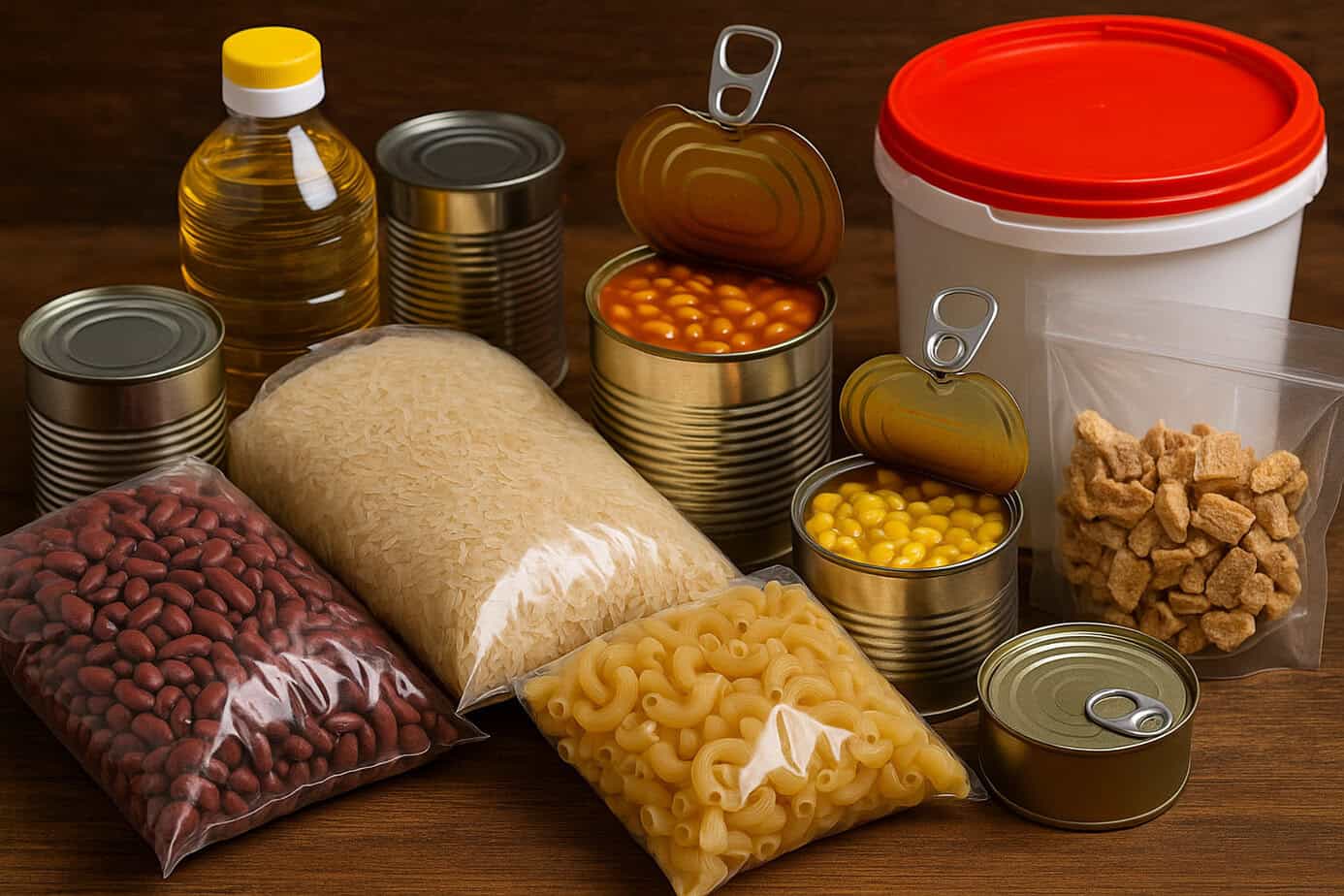
Staples are the backbone. But let’s be honest, after your fifth straight week of rice and beans, morale starts to sink. That’s where freeze-dried and commercial survival foods step in. They’re not meant to replace staples, but to layer on top of them, variety, convenience, and long shelf life without the daily grind of grinding wheat or soaking beans.
The Best Long Shelf Life Foods in 2025 (Staples That Outlive You)

There’s no getting around it, when everything goes dark, food becomes time. And time is survival. You can have a closet full of gadgets, the best rifles on the market, even a top-tier bug-out bag, but if your food stash turns rancid or runs out too fast, you’re not surviving much of anything.