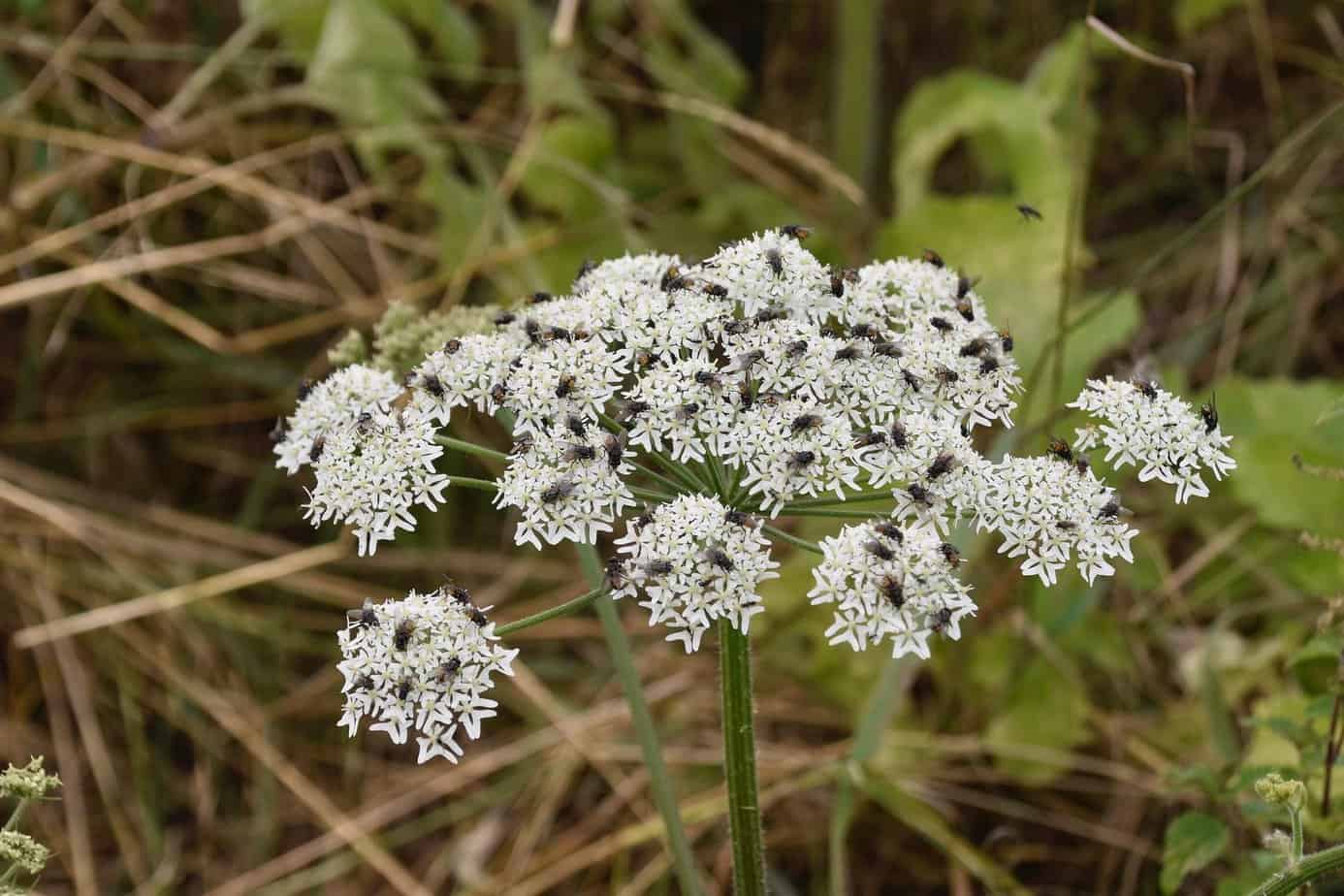
Out in the wild, danger doesn’t always roar or rattle. Sometimes it just stands there, swaying in the breeze, looking harmless enough to touch or even taste. For preppers and survivalists, that’s the tricky part, the biggest threats aren’t always the ones with teeth or claws. Some of the most dangerous encounters you’ll ever have could be with deadly plants hiding in plain sight.
Survival
These Are The Top 10 Most Nutritious Wild Edibles You Can Forage in North America

When the chips are down, or heck, even when you just want to add some free, powerhouse nutrition to your table, knowing what wild plants you can actually eat – and more importantly, which ones will send you on a one-way trip to the emergency room – isn’t just a hobby.
How To Deal With Penetrating Chest Wounds

You can stockpile beans and bullets all you want, but when someone takes a round to the chest or catches a piece of rebar falling through a collapsed roof, none of that matters if you don’t know what to do next. Penetrating chest wounds are ugly, fast, and fatal if you screw it up—or freeze.
Preparedness Measures for School Shootings: A Survivalist’s Guide

Let’s start with a hard truth: If you’re reading this, you already know the world isn’t as safe as it should be. Schools—places meant for learning, growing, and childhood—have become hunting grounds. The numbers don’t lie: Since Columbine in 1999, there have been over 380 school shootings in the U.S. alone. Each one follows a familiar pattern—panic, chaos, and lives changed forever in minutes.
Understanding Criminal Behavior To Avoid Becoming A Victim

You know what’s scary? The idea that someone out there might see you as a target. Not because you did anything wrong, but because criminals have a way of sizing people up—fast. Ever walked down a street and felt a sudden chill, like someone’s watching? That’s your instincts picking up on something before your brain even processes it.
How To Handle Bullet Wounds – A Comprehensive Guide – Part II

In the first part of this article, we covered the essential steps for handling bullet wounds in emergency situations, focusing on immediate response, basic first aid principles, and techniques for managing specific types of injuries. These initial actions are critical for stabilizing the victim and preventing further harm until professional medical help arrives.
How To Handle Bullet Wounds – A Comprehensive Guide – Part I

When it comes to bullet wounds, time is of the essence. The first few minutes after a shooting incident can be critical in determining the outcome for the victim.
Differences Between Short-Term Disasters and Long-Term Disasters – Part II

In the first part of this article, we discussed the key characteristics of short-term disasters and what can we do to better prepare ourselves. I’ve also provided some short-term disaster examples from the last decade that could be a good starting point for anyone wanting to know more about how these disasters unfold in real life.
Differences Between Short-Term Disasters and Long-Term Disasters – Part I

Disasters, whether natural or human-made, can strike at any time, leaving individuals and communities vulnerable. However, not all disasters are the same. Some are short-lived, lasting a few hours or days, while others can persist for weeks, months, or even years. Understanding the differences between short-term and long-term disasters is the first step toward effective preparedness.
Top Survival Lessons From The First Pioneers

Survival has always been a cold, hard, and unforgiving challenge, especially in unfamiliar and extreme environments. The wisdom of the 19th century remains strikingly relevant, surfacing whenever people venture into the harshest corners of the world. It’s no surprise that lessons from the most extreme settlement experiences still hold a prominent place in the foundation of outdoor knowledge.
How Will The Disruption Of The Supply Chain Affect Your City?

The drop in global industrial production and transportation during the winter and spring of 2020 was a massive, unprecedented event—probably not seen since World War II. While the full economic and social impact is still hard to measure or predict, it’s already raising serious questions about how to manage today’s complex and panic-driven world.
How To Learn Primitive Skills By Yourself

Delving into the world of primitive survival techniques is not only a rewarding experience but also imparts valuable skills that could prove crucial in an emergency. It’s important to approach these practices with care and always have a backup plan in place for unexpected circumstances.
Assessing The Three Survival Zones When Disasters Strike

The sudden realization that you are in a potential life-or-death situation can send your mind and body into shock. Panic can quickly take hold. Your heart races, blood pressure spikes, and sweat begins to drench your clothes. Under such intense stress, your brain may not function as it normally would. Clear, rational thoughts can vanish, replaced by irrational thinking and impulsive decisions, which can escalate an already dire situation into something far worse.