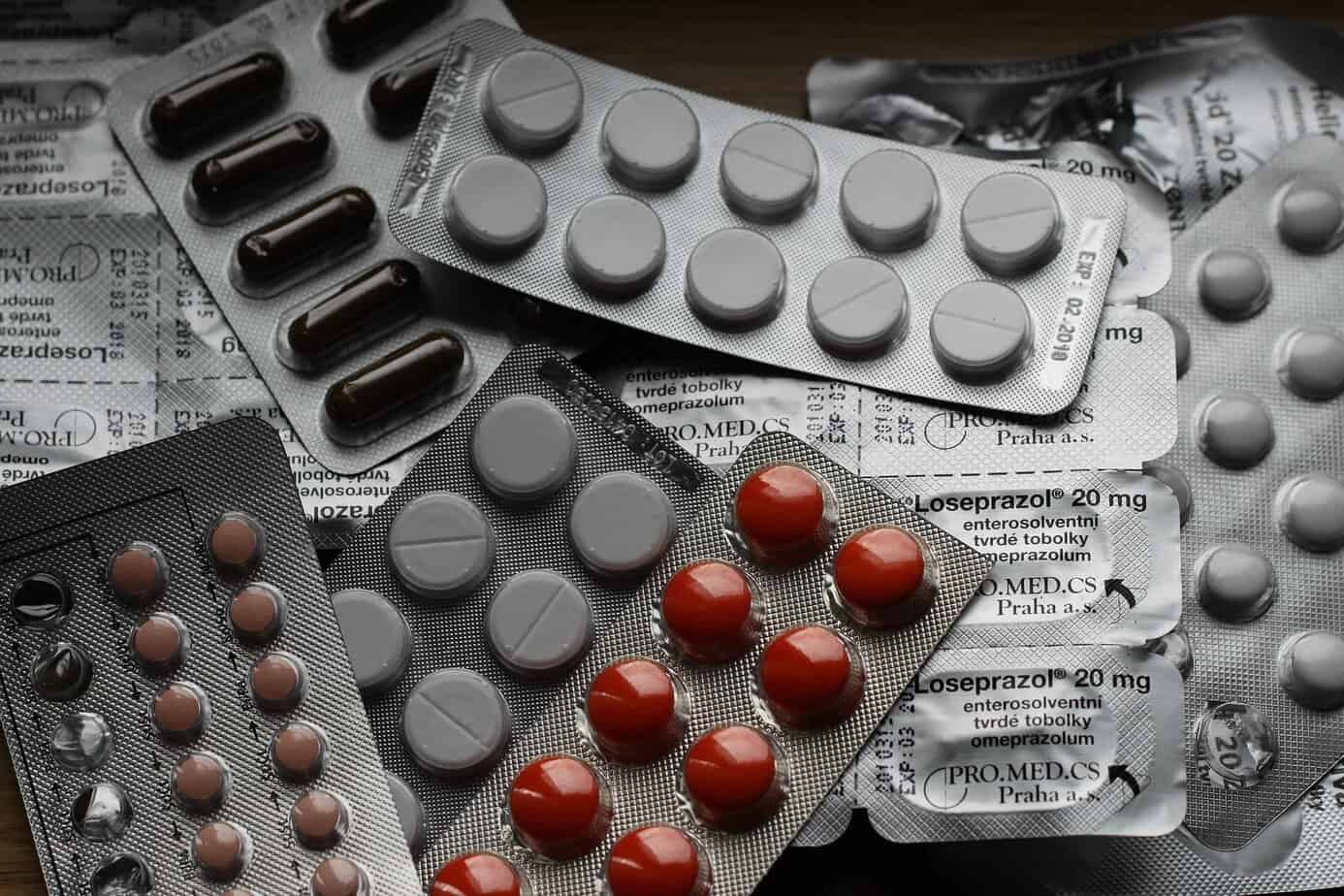
Most people don’t think about their medications until they’re down to the last few pills. That works fine when the pharmacy is open, the roads are clear, and the supply chain is humming along like it’s supposed to. But emergencies don’t wait for refill dates.
Hurricanes stall deliveries and wildfires shut down entire towns. Power outages spoil temperature-sensitive prescriptions, and sometimes, shelves just go empty. That’s why storing medications for emergencies isn’t a fringe prepper idea anymore. It’s basic household resilience in the United States.
Whether you live in a downtown apartment or on a rural homestead, medication preparedness sits in the same category as food, water, and backup power. If someone in your home relies on insulin, blood pressure medication, asthma inhalers, thyroid hormones, or even daily antidepressants, interruption isn’t just inconvenient. It can turn serious fast. In this guide, we’re going to walk through storing medications for emergencies the right way. Calmly, legally and practical. No hype, just clear steps you can act on.
Why Storing Medications for Emergencies Is Non-Negotiable
In the United States, we are used to convenience. Pharmacies operate seven days a week, refills are processed in minutes, and next-day shipping has conditioned us to assume access will always be there. Most of the time, that assumption holds up. However, emergency situations have a way of exposing how tightly our medical system depends on normal operating conditions.
When hurricanes make landfall along the Gulf Coast, when wildfires move through Western states, or when winter storms shut down highways in the Midwest, pharmacy access can disappear for days. Even if the building itself remains intact, power outages, staffing shortages, and transportation disruptions can interrupt medication availability.
The Federal Emergency Management Agency specifically recommends that households maintain an emergency supply of prescription medications as part of a standard preparedness kit. That guidance exists because experience has shown how quickly access can be interrupted when infrastructure is strained.
Storing medications for emergencies becomes critical the moment someone in your household depends on a daily prescription to remain stable. Blood pressure medications, seizure treatments, insulin, heart rhythm drugs, thyroid hormones, and certain psychiatric medications are not designed to be skipped abruptly. Sudden interruption can cause rebound effects, destabilization, or serious medical events that are far more dangerous than the original condition being treated.
Beyond large-scale disasters, there is also the issue of supply chain fragility. In recent years, Americans have seen temporary shortages of common antibiotics, ADHD medications, and even over-the-counter fever reducers for children. In many of those situations, pharmacies were open and functioning normally, yet the medications themselves were unavailable. That reality underscores an uncomfortable truth: the system is efficient, but it is not resilient.
Most insurance plans limit prescriptions to 30-day fills, and many patients refill only when they are nearly out. That routine leaves very little margin for disruption. A short delay can quickly become a serious problem if you do not have even a modest reserve in place.
Preparedness does not require panic buying or hoarding. It requires planning. Whether that means building a 30-day buffer or developing a structured 60- or 90-day rotation system, medication continuity deserves the same practical attention as food storage or backup water. When an emergency unfolds, knowing that your medications are properly stored, protected from heat and humidity, and organized for quick access removes one major source of stress. In a crisis, that kind of stability matters more than most people realize.
The Biggest Mistakes People Make When Storing Medications for Emergencies
If you walk into the average American home and look for where medications are stored, you will probably find them in a bathroom cabinet. It feels logical because that is where most people take their pills each morning and night. The problem is that bathrooms are one of the worst possible environments for long-term storage. Heat from showers and constant humidity create conditions that quietly degrade many medications over time.
Storing medications for emergencies requires a basic understanding of what damages them in the first place. The three primary enemies are heat, moisture, and light. Temperature swings are particularly destructive because repeated expansion and contraction can accelerate chemical breakdown. A bottle that sits near a stove, in a garage that reaches 100 degrees in summer, or in a car glove compartment can lose potency far sooner than the printed expiration date suggests.
Another common mistake involves transferring pills into unmarked containers without proper labeling. While weekly pill organizers are helpful for daily use, long-term emergency storage demands original packaging whenever possible. Manufacturer bottles are designed to limit moisture exposure and often contain desiccant packs that absorb humidity. Removing pills from those containers without a clear tracking system increases the risk of confusion, dosing errors, and premature degradation.
Many people also misunderstand expiration dates. Some assume that the day printed on the label represents a hard stop after which the medication becomes dangerous. In reality, expiration dates generally indicate the period during which the manufacturer guarantees full potency under proper storage conditions. That does not mean every medication remains effective indefinitely, nor does it mean every expired medication instantly becomes unsafe. What it does mean is that poor storage conditions can make a medication ineffective long before the printed date.
Light exposure is another overlooked factor. Transparent containers placed on windowsills or open shelving may look convenient, but ultraviolet light can degrade certain medications. Keeping prescriptions in a cool, dark location such as a bedroom closet shelf or a dedicated storage container dramatically improves stability.
There is also the issue of “out of sight, out of mind.” Some households build a small reserve but never rotate it. Over time, bottles accumulate in the back of a drawer, and no one checks them until an emergency hits. At that point, you might discover that half the supply expired years ago or was compromised by poor storage conditions.
Avoiding these mistakes does not require expensive equipment or complicated systems. It requires consistency and awareness. Choose a stable environment inside the home, avoid temperature extremes, keep medications in original containers, and establish a simple review schedule. When handled correctly, your emergency supply remains reliable instead of becoming an expensive collection of degraded pills that you cannot trust when you need them most.
Understanding Medication Shelf Life: What Really Goes Bad and When
In the United States, expiration dates are determined by stability testing conducted by manufacturers under controlled conditions. Those dates reflect the period during which the company guarantees full potency when the medication is stored exactly as directed. They are not predictions of sudden toxicity the day after expiration. Instead, they represent the timeframe of verified effectiveness.
The U.S. Food and Drug Administration has published information explaining how expiration dates are established and what they represent. According to the FDA, when medications are stored properly, many remain stable beyond their labeled expiration date, although potency may gradually decline. That decline does not happen overnight, and it varies widely depending on the chemical composition of the drug and the storage environment.
The Shelf Life Extension Program, which evaluates certain federally stockpiled medications, has shown that some drugs maintain significant potency years past their printed dates when stored in ideal conditions. However, this does not mean every medication behaves the same way. Liquids tend to degrade faster than tablets. Suspensions and reconstituted antibiotics are particularly vulnerable. Nitroglycerin, insulin, and certain biologics are highly sensitive to heat and time, and relying on degraded versions of those medications can be risky.
Temperature plays an enormous role in shelf life. A bottle stored consistently at room temperature in a dark closet will likely retain potency longer than the same bottle left in a vehicle during summer heat. Chemical breakdown accelerates with heat exposure, which is why proper storage matters just as much as the printed date itself.
It is also important to distinguish between reduced effectiveness and outright danger. Most expired solid oral medications do not suddenly become toxic; instead, they may gradually lose strength. In a survival context, reduced potency can still present a problem if the medication treats a life-threatening condition where precise dosing matters. For example, seizure medications or cardiac drugs require consistent blood levels, and guessing about potency introduces unnecessary risk.
For everyday over-the-counter pain relievers, the stakes may be lower, but that does not mean storage can be ignored. A degraded fever reducer during a child’s illness may fail to provide adequate symptom control, which can escalate stress during an already tense situation.
The practical takeaway is this: expiration dates are important, but storage conditions are equally critical. If you build an emergency reserve and protect it from heat, moisture, and light, you preserve not only shelf life but also peace of mind. Storing medications for emergencies responsibly means tracking dates, rotating stock, and understanding which drugs demand stricter vigilance. Knowledge reduces guesswork, and in preparedness planning, reducing guesswork is always a smart move.
Building a 30-, 60-, and 90-Day Medication Reserve (Legally and Smart)
For most Americans, the biggest obstacle to storing medications for emergencies is not knowing where to keep them, but figuring out how to build a reserve without crossing legal or insurance boundaries. Prescription systems in the United States are tightly regulated, and insurance companies often restrict refills to specific timelines. Still, there are practical and completely legitimate ways to create a buffer if you approach it methodically.
The first step is having a straightforward conversation with your prescribing physician. Many doctors are open to writing 90-day prescriptions for maintenance medications, particularly for chronic conditions such as hypertension, diabetes, thyroid disorders, or high cholesterol. A 90-day fill immediately provides a longer cushion than a standard 30-day supply, and many insurance plans actually prefer 90-day maintenance prescriptions because they reduce administrative overhead.
Mail-order pharmacies can also play a role in reserve building. Large pharmacy benefit managers often offer automatic refill programs that ship medications before the previous supply runs out. If you refill as soon as your insurance allows, which is typically a few days before the official end of a 30-day cycle, you can gradually accumulate a small surplus over time. That approach does not involve deception or manipulation; it simply requires consistent refill timing and discipline.
Travel overrides are another legitimate tool. Insurance plans sometimes allow early refills when patients are traveling for extended periods. If you know you will be away for work or family obligations, requesting a travel supply can help expand your reserve legally. Policies vary, so it is worth reviewing your specific plan details or speaking directly with your insurer.
Some states have enacted emergency refill laws that permit pharmacists to dispense limited supplies of essential medications during declared disasters. The National Conference of State Legislatures maintains summaries of these state-level emergency refill policies. While these provisions are not a substitute for personal preparedness, they do illustrate that policymakers recognize the importance of medication continuity during crises.
For experienced preppers who want deeper redundancy, rotation is the key to avoiding waste. Instead of storing a separate “untouched” stash, integrate your emergency reserve into your normal refill cycle. Use the oldest medication first and replace it with new fills. This first-in, first-out system ensures that your supply remains as fresh as possible while maintaining a consistent buffer.
It is also important to approach gray areas with caution. Importing medications from overseas pharmacies, purchasing prescriptions without proper oversight, or stockpiling controlled substances outside legal channels can introduce serious legal and safety risks. While preparedness culture often encourages self-reliance, it should not compromise compliance with federal and state laws.
The goal is not to hoard, but to create breathing room. A 30-day buffer may be sufficient for some households, while others may feel more comfortable with 60 or 90 days depending on medical necessity and risk tolerance. Storing medications for emergencies responsibly means building that cushion within the framework of U.S. regulations, so that your preparedness efforts strengthen your position rather than create new vulnerabilities.

Storing Medications for Emergencies in Small Apartments vs. Rural Homesteads
Where you live shapes how you prepare, and that is especially true when storing medications for emergencies. An apartment on the tenth floor of a city building presents a very different set of risks than a farmhouse miles from the nearest town. The core principles remain the same, but the execution often looks different.
In small urban apartments, space is limited and temperature control can be inconsistent. Older buildings may trap heat in summer, and high-rise units can become surprisingly warm during extended power outages. Medications stored near exterior walls or windows are exposed to greater temperature swings than those placed in interior closets. A bedroom closet shelf, away from plumbing and direct sunlight, usually offers a more stable environment than a bathroom cabinet or kitchen drawer.
Urban residents also need to think carefully about evacuation. If a wildfire, chemical spill, or building emergency forces a rapid exit, you may have only minutes to gather essentials. Keeping medications consolidated in a single, clearly labeled container reduces scrambling. A compact, lockable medical storage box can help organize prescriptions while protecting them from children or visitors. Many preppers choose a small hard-sided option like a basic locking medicine case because it provides structure without taking up much room.
Rural and homestead environments introduce different challenges. While space is rarely the issue, temperature extremes often are. Detached homes, barns, and outbuildings can experience significant heat in summer and freezing temperatures in winter. Medications should never be stored in sheds, garages, or vehicles where climate control is unreliable. Even within the home, wood stoves and space heaters can create hot spots that are less obvious than they seem.
Another consideration for rural households is extended power outages. In remote areas, restoration times may stretch longer than in cities. The U.S. Department of Health and Human Services provides guidance on maintaining access to medications during disasters and emphasizes keeping them in a secure, climate-appropriate location within the home. That advice applies whether you are in a studio apartment or on acreage.
For homesteaders who already maintain backup generators, medication storage should be integrated into the broader power plan. Refrigerated prescriptions, in particular, need a designated spot in a refrigerator that is connected to backup power. Simply assuming that “the generator will cover it” without mapping out which outlets are supported can lead to costly mistakes.
There is also the question of security. Rural isolation can reduce certain risks but increase others. A visible stash of medications, especially controlled substances, can become a target during periods of instability. Keeping supplies discreet and secured in a fire-resistant safe adds a layer of protection. Some households opt for a small fireproof document safe suitable for medications and records, which protects both prescriptions and printed medical documents in one place.
Whether urban or rural, the core strategy remains steady and practical. Choose a stable indoor environment. Avoid heat, humidity, and freezing temperatures. Keep medications consolidated for quick access. Build storage into your broader emergency plan rather than treating it as an afterthought. Storing medications for emergencies is not about your zip code; it is about anticipating how your specific environment behaves when normal systems fail.
Temperature Control: The Silent Killer of Emergency Medication Supplies
If there is one factor that quietly ruins more emergency medication supplies than anything else, it is uncontrolled temperature. Most people assume that as long as pills are inside the house, they are fine. The truth is that even moderate but repeated heat exposure can slowly reduce potency, especially when combined with humidity.
Storing medications for emergencies without a temperature strategy is like storing food without thinking about pests or moisture. It might look fine on the surface, but deterioration is happening in the background.
Most solid oral medications are designed to be stored at what manufacturers call “controlled room temperature,” which typically falls between 68- and 77-degrees Fahrenheit. Short excursions outside that range are often tolerated, but prolonged exposure above 86 degrees can accelerate chemical breakdown. In a summer power outage, indoor temperatures can climb quickly, particularly in upper floors of homes or apartments. That heat may not feel extreme to you, but it can stress certain medications over time.
Refrigerated medications present a different layer of complexity. Insulin, some injectable biologics, and certain specialty drugs must remain within a narrow temperature range, usually between 36- and 46-degrees Fahrenheit. If power is lost for several hours, refrigerator temperatures begin to rise. The Centers for Disease Control and Prevention provides guidance on food and refrigerator safety during power outages, and those same temperature principles apply to temperature-sensitive medications. Monitoring internal refrigerator temperature with a simple thermometer allows you to make informed decisions rather than guessing.
For households that rely on refrigerated prescriptions, investing in a compact medical cooler designed for medication transport can add a layer of protection. A small insulated travel case with reusable ice packs, such as a dedicated insulin cooling pouch, helps maintain temperature during short evacuations or temporary outages. However, it is important to understand the limits of passive cooling. Ice packs eventually warm, and without rotation or backup power, they are not a long-term solution.
Backup power is where preparedness planning becomes more serious. A portable power station capable of running a small refrigerator for several hours can bridge short outages. When paired with solar panels, it offers extended resilience during prolonged grid disruptions. Even a modest unit like a mid-range portable power station can provide enough energy to maintain safe refrigerator temperatures if managed carefully. The key is calculating wattage needs in advance rather than assuming capacity.
It is also worth mentioning that freezing can be just as damaging as overheating. Insulin that freezes loses effectiveness and should not be used, even after thawing. Medications stored near freezer vents or in poorly insulated outbuildings during winter can be compromised without obvious signs. Keeping temperature-sensitive drugs in the center of the refrigerator, away from walls and cooling elements, reduces that risk.
Temperature control does not require elaborate systems for everyone. Many households can protect their supply simply by choosing a stable interior location and planning for short-term outages. For those with high-risk medications, adding layers of redundancy makes sense. Storing medications for emergencies responsibly means recognizing that temperature is not a minor detail; it is the foundation of reliability.
Storing Medications for Emergencies Long-Term: Rotation Systems That Actually Work
Building a reserve is one thing, but maintaining it without waste or confusion is something else entirely. Many households start strong, tuck extra bottles into a drawer, and then forget about them until a real emergency forces a last-minute check. That approach defeats the purpose. Storing medications for emergencies long-term requires a simple rotation system that fits into your normal routine rather than sitting outside it.
The safest and most sustainable method is first-in, first-out rotation. When you refill a prescription, place the new bottle behind the older one and use the older supply first. That single habit keeps your reserve fresh without complicated tracking software or spreadsheets. It also prevents the common problem of discovering several years’ worth of expired medication hidden in the back of a cabinet.
Label visibility matters more than most people expect. Keep expiration dates facing forward so you can scan them quickly during routine checks. A quarterly review works well for most households. Choose a consistent time, perhaps at the start of each season, to examine dates, check packaging integrity, and confirm that storage conditions remain stable. Humidity damage, cracked lids, or compromised desiccant packs are signs that a bottle may not be reliable anymore.
The U.S. Food and Drug Administration also emphasizes proper disposal of unused or expired medications to prevent accidental ingestion and misuse. If part of your rotation process involves removing outdated medications, follow approved disposal methods rather than flushing or discarding them carelessly. Many communities offer drug take-back programs that allow you to cycle out older stock responsibly.
For more advanced preparedness households, redundancy can be layered into the system. Some choose to store a small portion of their reserve in a secondary location within the home in case of localized damage such as fire or flooding. If you adopt that strategy, maintain identical rotation schedules for both locations. Splitting supplies without synchronizing rotation creates confusion and increases the risk of expiration oversight.
Documentation strengthens the system. Keep a printed list of all medications, dosages, prescribing physicians, and pharmacy contact information stored alongside your supply. In a crisis that requires evacuation or medical assistance, that sheet becomes invaluable. It also serves as a checklist during rotation reviews, ensuring that nothing has been overlooked.
Long-term preparedness is less about dramatic stockpiles and more about disciplined habits. When rotation becomes automatic, your reserve remains viable without constant effort. Storing medications for emergencies in this way turns what could be a neglected stash into a reliable safety net that quietly supports your broader resilience plan.
Special Considerations: Insulin and Other Refrigerated Medications
For households that rely on insulin or other refrigerated medications, preparedness carries a different level of urgency. While many tablets tolerate minor temperature fluctuations, insulin is far less forgiving. Storing medications for emergencies becomes a matter of precise temperature control when even a few degrees outside the recommended range can reduce effectiveness.
Unopened insulin is typically stored in a refrigerator between 36- and 46-degrees Fahrenheit. Once opened, many insulin products can remain at room temperature for a limited number of days, often around 28 days depending on the specific formulation. The exact limits vary by manufacturer, so checking the prescribing information for your specific insulin type is essential. The American Diabetes Association provides guidance on insulin storage and temperature exposure limits, explaining how heat and freezing can permanently damage the medication.
Heat is the most obvious threat during summer outages, but freezing is equally dangerous. Insulin that has been frozen should not be used, even if it appears normal after thawing. In winter climates, medications stored near exterior walls, in vehicles, or in unheated outbuildings can freeze overnight without obvious warning. That risk makes indoor climate control critical year-round.
During short power outages, keeping refrigerator doors closed preserves internal temperature for several hours. A refrigerator thermometer allows you to monitor when temperatures begin to rise above safe levels. For planned evacuations or uncertain outages, a dedicated insulin travel cooler can provide temporary stability.). These solutions are helpful for mobility, but they require active management to ensure that cold packs remain within a safe range and do not accidentally freeze the medication.
For longer disruptions, backup power becomes essential. Portable power stations paired with small refrigerators or dedicated medical mini-fridges can extend safe storage significantly. The key is planning before you need it. Calculate how many watts your refrigerator draws, test your backup system under load, and confirm how long it can realistically operate. Guessing during an outage introduces unnecessary risk.
It is also wise to maintain clear labeling and separation between opened and unopened insulin. Rotation should be tight and deliberate. When you receive a new prescription fill, place it behind existing stock and record the date received. That habit prevents confusion about which vials or pens should be used first.
Other refrigerated medications, including certain biologics for autoimmune conditions or hormone injections, follow similar temperature rules. Each has its own tolerance window, so review manufacturer guidelines and discuss emergency planning with your healthcare provider. Storing medications for emergencies at this level is not about fear; it is about respecting the fragility of temperature-sensitive treatments and building a system that protects them under stress.
Heart Medications, Blood Pressure Pills, and Cardiac Emergencies
Cardiovascular medications deserve special attention in any preparedness plan because interruption can escalate quickly. Unlike some prescriptions where a missed dose may cause only mild discomfort, certain heart and blood pressure medications play a direct role in stabilizing life-sustaining systems. Storing medications for emergencies becomes particularly important when abrupt discontinuation could increase the risk of stroke, heart attack, or dangerous rhythm disturbances.
Common categories include beta blockers, ACE inhibitors, angiotensin receptor blockers, calcium channel blockers, diuretics, anticoagulants, and antiarrhythmic drugs. Each works differently, but many share one characteristic: consistency matters. Blood pressure control, for example, depends on maintaining steady therapeutic levels. Suddenly stopping certain medications can lead to rebound hypertension, where blood pressure rises sharply above baseline levels.
The American Heart Association emphasizes adherence to prescribed cardiovascular medications and warns against skipping doses without medical supervision. In an emergency scenario where pharmacy access is interrupted, having even a modest reserve can prevent abrupt discontinuation and the cascade of complications that may follow.
Storage considerations for most heart medications are similar to other solid oral tablets. They generally require controlled room temperature and protection from moisture and light. However, certain drugs, such as nitroglycerin tablets used for angina, are more sensitive to heat and air exposure. Nitroglycerin, in particular, should remain in its original glass container with the lid tightly sealed because exposure to light and air can reduce potency. Transferring these tablets to pill organizers for long-term storage can compromise effectiveness.
Anticoagulants such as warfarin or newer direct oral anticoagulants also demand reliable storage and careful rotation. Potency degradation in these medications may not be immediately obvious, yet underdosing could increase clot risk while overdosing raises bleeding risk. Maintaining a structured first-in, first-out rotation system is especially important for these high-stakes prescriptions.
Evacuation planning adds another layer. In a fast-moving situation, it helps to have cardiovascular medications consolidated in one clearly labeled container that can be grabbed quickly. Including a printed medication list with dosages, prescribing physician information, and recent lab values, if relevant, provides critical context for emergency responders or receiving medical facilities.
For individuals with complex cardiac histories, discussing emergency medication planning directly with a cardiologist can provide additional clarity. Some physicians may offer guidance on minimum safe interruption windows or strategies for short-term dose adjustments if supplies run low. Storing medications for emergencies in this context is not about worst-case speculation; it is about reducing the likelihood that a supply disruption turns into a medical crisis.
Antibiotics, Pain Meds, and “Just in Case” Prescriptions
Few topics generate more debate in preparedness circles than antibiotics and backup prescriptions. The idea of keeping a “just in case” supply feels reassuring, especially for families in rural areas where medical care may be hours away. At the same time, misuse and improper storage carry real risks. Storing medications for emergencies in this category requires a steady balance between caution and common sense.
Antibiotics are not all created equal when it comes to shelf life. Many solid tablet forms remain chemically stable for a reasonable period when stored in cool, dry conditions. However, liquid suspensions, particularly those reconstituted from powder, degrade quickly and often require refrigeration. Tetracycline-class antibiotics deserve special mention because outdated formulations historically raised concerns about toxicity, although modern versions are more stable. Even so, relying on degraded antibiotics risks underdosing, which can contribute to treatment failure and antibiotic resistance.
The Centers for Disease Control and Prevention emphasizes that antibiotics should be used only when prescribed and taken exactly as directed. From a preparedness standpoint, that means avoiding casual or unsupervised use simply because a supply exists. A reserve is not a substitute for medical judgment. Infections vary widely in cause and severity, and incorrect antibiotic selection can do more harm than good.
Some preppers explore veterinary-labeled antibiotics because they are easier to obtain. This area sits firmly in legal and safety gray zones. Quality control, dosing accuracy, and regulatory oversight may differ, and using medications outside their labeled indication introduces potential liability and health risk. While the desire for redundancy is understandable, decisions involving antibiotics should be made carefully and ideally with medical guidance.
Pain medications are another common focus. Over-the-counter options such as acetaminophen and ibuprofen are generally stable when stored properly, but they are still vulnerable to heat and moisture. A bottle left in a hot vehicle for months may not provide reliable relief when needed. Opioid prescriptions, where legally prescribed, require additional security and careful tracking due to their abuse potential. Secure storage in a locked container is strongly recommended.
For families seeking broader capability, some physicians may prescribe standby antibiotics for specific, well-documented medical conditions or for remote travel situations. In those cases, clear written instructions about when and how to use them are essential. Simply possessing the medication without understanding indications and dosing undermines its usefulness.
The key principle is responsibility. Storing medications for emergencies in the “just in case” category should not drift into reckless accumulation or casual experimentation. A small, properly stored supply obtained through legitimate medical channels, paired with clear guidance, is far more valuable than a large but poorly understood stash. Preparedness works best when it respects both medical science and practical reality.
Children, Elderly Adults, and Caregiver Medication Planning
Preparedness becomes more complex when you are responsible for someone else’s medications. Children, elderly parents, and individuals with cognitive or physical limitations often depend entirely on a caregiver to manage dosing, storage, and refills. Storing medications for emergencies in these households demands added layers of clarity, organization, and documentation.
For children, dosing accuracy is critical. Many pediatric medications are weight-based, and liquid formulations are common. Unlike tablets, liquid medications typically have shorter shelf lives and are more sensitive to temperature changes. Reconstituted antibiotic suspensions may only remain stable for a limited number of days, even under refrigeration. That reality makes rotation and refill timing especially important.
It is wise to keep original dosing syringes or calibrated measuring devices with the medication rather than relying on kitchen spoons. During an emergency, improvisation increases the risk of incorrect dosing. Clear labeling with the child’s name, weight, and current dose written on the bottle or a nearby card can reduce confusion if another adult must step in to help.
Elderly adults often manage multiple prescriptions simultaneously, a situation known as polypharmacy. Organizing these medications in a way that remains clear under stress is essential. Weekly pill organizers are helpful for daily routines, but long-term emergency storage should preserve medications in original containers for stability and identification. Maintaining an updated medication list with drug names, dosages, prescribing physicians, and pharmacy contacts provides a crucial reference if evacuation or hospitalization occurs.
The Administration for Community Living, which supports older Americans and caregivers, highlights the importance of keeping updated medication records as part of emergency preparedness planning. Having both printed and digital copies of this information strengthens continuity of care if regular healthcare providers become temporarily inaccessible.
Cognitive decline adds another layer of vulnerability. Individuals with dementia or memory impairment may accidentally double-dose or skip medications if routines are disrupted. In these cases, secure storage and caregiver oversight become even more important during chaotic situations. Lockable storage not only protects medications from misuse but also ensures that supplies remain intact for their intended purpose.
For households caring for medically fragile individuals, consider building a slightly larger reserve than you might for yourself alone. The margin for error is smaller when someone cannot advocate for their own needs. Storing medications for emergencies in caregiving situations is less about quantity and more about reliability, clarity, and redundancy in information.
Preparedness for dependents requires patience and planning, but the payoff is substantial. When a crisis unfolds, knowing that you can maintain accurate dosing and stable access for those who rely on you provides a level of reassurance that no last-minute scramble can replicate.
Don’t Forget Pets: Emergency Medication Storage for Animals
For many households, pets are not an afterthought. They are family. Yet medication planning for animals is often overlooked until a crisis exposes the gap. If your dog depends on heart medication, your cat requires thyroid treatment, or you manage insulin for a diabetic pet, storing medications for emergencies must extend beyond human prescriptions.
Veterinary medications share many of the same vulnerabilities as human drugs. Heat, humidity, and light degrade potency over time. Liquid formulations and compounded medications may have shorter stability windows than commercially manufactured tablets. Some veterinary drugs require refrigeration, while others must remain tightly sealed in original packaging to maintain effectiveness.
The American Veterinary Medical Association advises pet owners to maintain updated medical records and sufficient supplies of necessary medications as part of emergency preparedness planning. That includes keeping vaccination records, prescription information, and veterinarian contact details accessible in both digital and printed form.
Rotation works for pets just as it does for people. When refilling a prescription for heartworm prevention, seizure medication, or thyroid tablets, place new stock behind older supplies and use the oldest first. Keep expiration dates visible and conduct periodic reviews to confirm that nothing has been compromised by storage conditions.
Evacuation planning is especially important for animals because boarding facilities or emergency shelters may require documentation before accepting pets. A dedicated pet emergency kit should include medications, dosing instructions, measuring devices if applicable, and at least several days of supply. Storing medications for emergencies in a clearly labeled, portable container ensures you are not searching through cabinets while trying to secure carriers and leashes.
Temperature-sensitive medications for animals, such as veterinary insulin, require the same precautions as human insulin. Avoid freezing, protect from excessive heat, and monitor refrigerator temperatures during power outages. If you rely on backup power for refrigerated medications, factor pet prescriptions into your energy calculations.
One final consideration involves compounded veterinary medications. These custom-prepared drugs often have shorter beyond-use dates than mass-produced pharmaceuticals. Review labels carefully and consult your veterinarian about realistic shelf life and safe storage parameters. Compounded formulations may require tighter rotation schedules to remain dependable.
Preparedness that excludes pets is incomplete for many families. Including them in your medication planning not only protects their health but also reduces the emotional strain that can accompany crisis situations. When your animals are accounted for and their prescriptions are secure, your overall emergency plan becomes more cohesive and resilient.
Documentation, Redundancy, and Privacy
At some point, medication preparedness shifts from pills and temperature to paperwork and information control. In a stable environment, your pharmacy profile and doctor’s office records feel permanent. During a regional disaster or evacuation, digital systems may be inaccessible, offices may be closed, and internet access may be unreliable. Storing medications for emergencies without storing the accompanying information leaves a critical gap.
Start with a printed master medication list. Include the full drug name, dosage, frequency, prescribing physician, pharmacy contact information, and any relevant medical conditions. If allergies exist, list them clearly. Keep one copy with your medication supply and another in your evacuation kit. A digital version stored securely on your phone or encrypted cloud account adds another layer of redundancy, but do not rely on digital access alone.
The Department of Homeland Security recommends maintaining copies of important documents, including medical information, as part of comprehensive emergency preparedness planning. While that guidance often focuses on financial records and identification, medical documentation belongs in the same category of critical information.
Redundancy also applies to physical storage. Some households keep their primary medication reserve in one location and a smaller backup supply in another secure area within the home. The goal is not secrecy for its own sake but resilience against localized damage such as fire, flooding, or theft. If you choose this approach, maintain identical rotation schedules and update both locations simultaneously to prevent confusion.
Privacy deserves attention as well. Prescription bottles contain sensitive personal information, including your full name, prescribing physician, and medication details. In periods of instability, that information can expose vulnerabilities. If you anticipate evacuation or relocation, consider covering labels with removable tape that protects personal details while preserving drug names and dosing instructions.
For individuals with complex medical histories, adding a brief medical summary can be lifesaving. Include diagnoses, prior surgeries, implanted devices, and emergency contact information. In a scenario where you are unable to communicate clearly, that document provides immediate context to first responders or unfamiliar medical staff.
Preparedness works best when it anticipates disruption at multiple levels. Storing medications for emergencies is only half the equation; preserving the knowledge needed to use them correctly completes the picture. When documentation, redundancy, and privacy are handled thoughtfully, your medication plan becomes not just a stash of supplies but a structured system that can function even when normal infrastructure falters.

Final Checklist: Storing Medications for Emergencies the Right Way
After all the details about temperature ranges, refill strategies, rotation systems, and documentation, it helps to step back and see the full picture. Preparedness is rarely about one dramatic action. It is about steady, repeatable habits that build resilience over time. Storing medications for emergencies the right way comes down to a handful of core principles applied consistently.
First, secure a stable storage location inside your home. Avoid bathrooms, kitchens, garages, and vehicles where heat and humidity fluctuate. Choose an interior closet shelf or dedicated container that protects medications from light and moisture. For temperature-sensitive prescriptions, confirm that refrigerator placement is stable and not prone to freezing near vents or walls.
Second, build a realistic reserve. Whether that means a 30-day, 60-day, or 90-day buffer, work within legal and insurance boundaries to create breathing room. Refill as early as allowed, speak with your physician about extended supplies for maintenance medications, and integrate your reserve into your normal refill cycle so nothing sits untouched for years.
Third, rotate methodically. Use a first-in, first-out system and review expiration dates at least quarterly. Check packaging for signs of moisture or damage. Dispose of expired medications responsibly through approved take-back programs rather than letting them accumulate indefinitely.
Fourth, plan for power disruptions if you rely on refrigerated medications. Monitor refrigerator temperatures, keep insulated transport options available for evacuations, and test backup power systems before you need them. Temperature control is not optional for insulin and similar drugs.
Fifth, document everything. Maintain printed and digital medication lists, include dosing instructions, record prescribing physicians, and store copies in more than one place. Extend this documentation to children, elderly family members, and pets. If someone else must manage your medications in a crisis, clarity becomes invaluable.
Finally, think beyond pills. Consider security, privacy, and portability. Consolidate supplies so they can be moved quickly if evacuation becomes necessary. Protect sensitive information on labels. Keep measuring devices and instructions with liquid medications. Make the system simple enough that you can maintain it without stress.
Preparedness should reduce anxiety, not increase it. Storing medications for emergencies is not about hoarding or expecting catastrophe at every turn. It is about acknowledging that disruptions happen, sometimes unexpectedly, and choosing to create a margin of safety for yourself and those who depend on you. When your medications are properly stored, rotated, documented, and protected from temperature extremes, you remove one of the most critical vulnerabilities from your emergency plan.
Frequently Asked Questions About Storing Medications for Emergencies
How much medication should I keep on hand for an emergency?
For most households in the United States, a 30-day reserve is a practical starting point. If possible and legally permitted through your insurance or prescribing physician, a 60- or 90-day supply provides a stronger buffer against supply disruptions. The right amount depends on how critical the medication is and how quickly your condition could worsen without it.
Do medications really become dangerous after the expiration date?
In most cases, expired medications gradually lose potency rather than suddenly becoming toxic. However, reduced effectiveness can still be risky for medications that require precise dosing, such as heart drugs, seizure medications, or insulin. Proper storage conditions play a major role in how well a medication holds up over time.
Where is the best place in the house to store medications?
A cool, dry, and dark location inside the main living area is usually ideal. Interior closets or dedicated storage containers work well. Bathrooms, kitchens, garages, and vehicles are poor choices because of humidity and temperature swings. Storing medications for emergencies in a stable environment significantly extends reliability.
Can I store medications in a pill organizer long-term?
Pill organizers are helpful for weekly use but not ideal for long-term storage. Original manufacturer containers are designed to limit moisture and light exposure and often include desiccants to control humidity. For emergency reserves, keep medications in their original packaging whenever possible.
What should I do if my refrigerated medication gets warm during a power outage?
First, check the actual temperature with a thermometer rather than guessing. Many refrigerated medications tolerate brief temperature increases. If you are unsure whether a medication remains safe or effective, contact your pharmacist or prescribing provider for guidance. When in doubt, avoid using medication that may have been exposed to extreme heat or freezing.
Is it legal to build a medication stockpile?
Building a reasonable reserve within insurance and prescribing guidelines is generally legal and encouraged for emergency preparedness. Early refills, 90-day prescriptions, and mail-order options are common ways to create a buffer. Attempting to obtain prescription medications outside legal channels introduces serious risks.
How often should I check my emergency medication supply?
A quarterly review works well for most households. During that check, confirm expiration dates, inspect packaging, and verify that storage conditions remain stable. Consistent rotation is one of the most important aspects of storing medications for emergencies effectively.
Should I keep copies of my prescriptions and medical information?
Yes. Maintain a printed medication list that includes drug names, dosages, prescribing physicians, and pharmacy contact information. Store copies with your medication supply and in your evacuation kit. Digital backups are helpful, but paper copies remain valuable if internet access is disrupted.
What about over-the-counter medications?
Over-the-counter pain relievers, allergy medications, and fever reducers are useful additions to an emergency supply. They should be stored under the same cool, dry conditions as prescription drugs. Even though they are easier to replace under normal circumstances, shortages can still occur during disasters.
How do I prepare if I care for children, elderly parents, or pets?
Caregivers should maintain clear dosing instructions, measuring devices for liquids, and updated medical records. Build a slightly larger reserve, when possible, since dependents may not be able to advocate for themselves. Include their medications and documentation in your overall emergency plan so nothing is overlooked during a stressful event.
This article has been written by James H. Redford MD for Prepper’s Will.
Other Useful Resources:
Drinking Water Survival Myths You Should Know
How to obtain water from the air
The Impacts of Water Scarcity in Major Cities
Knowledge to survive any medical crisis situation during a major disaster