
Going off grid isn’t just about saving money or sticking it to the utility company. It’s about control. Control over your light, your food, your water, and your ability to function when the grid becomes unreliable or disappears altogether.
self-sufficiency
Disaster Planning for Pets and Livestock: How to Keep Animals Alive When Systems Fail

Most people don’t realize how dependent their animals are on invisible systems until those systems stop working. When electricity, fuel, deliveries, and professional services disappear, the daily routines that keep pets and livestock alive unravel faster than expected, and the margin for error shrinks almost immediately.
Passive Heating Systems for Homes: Staying Warm Without Power in Winter
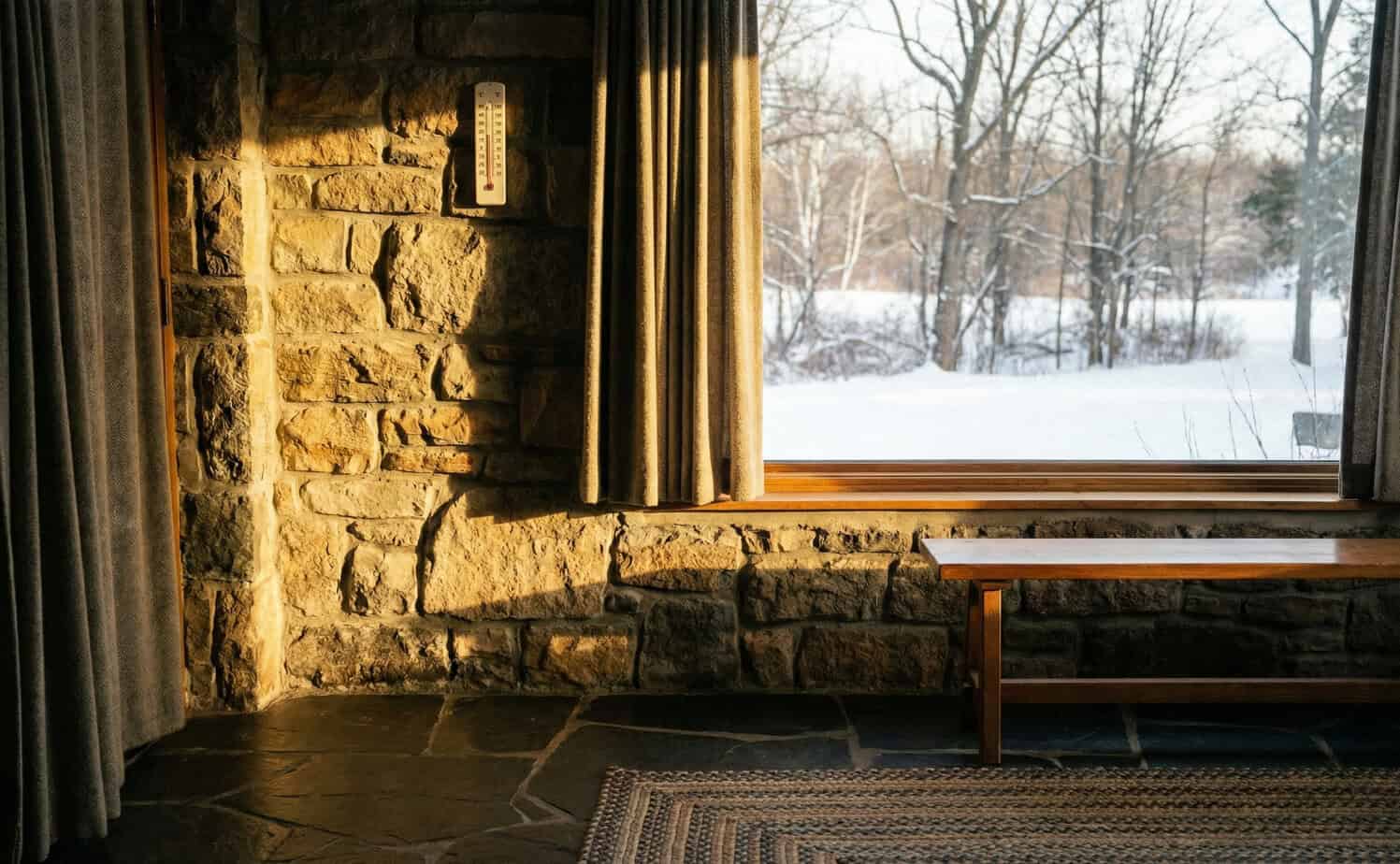
Most people do not think seriously about home heating until the power fails during a hard winter storm. That realization usually arrives in January, when the temperature drops fast and the house starts losing warmth by the minute.
Late Winter Garden Prep: Critical Garden Work to Do Before Spring Arrives

Late winter has a weird reputation because it feels like dead time. The ground looks lifeless, the weather still bites, and nothing obvious is growing. Most people glance out the window, shrug, and mentally schedule gardening for “sometime in spring.” That pause is exactly where experienced gardeners quietly pull ahead.
Winter Survival Hunting Skills | Part 2: Weapons, Trapping, Butchering, and Staying Alive

Winter has a way of testing everything you thought you knew. In Part 1, we talked about the foundation: reading tracks when the wind wipes half of them away, understanding how winter wildlife shifts patterns once the cold bites down, and how to scout terrain that looks deceptively simple under a few inches of snow. Those skills matter, and they’re what keep you from wandering blind through a frozen landscape.
Frankincense for Wound Healing: How the Ancient Egyptians Treated Injuries Without Antibiotics
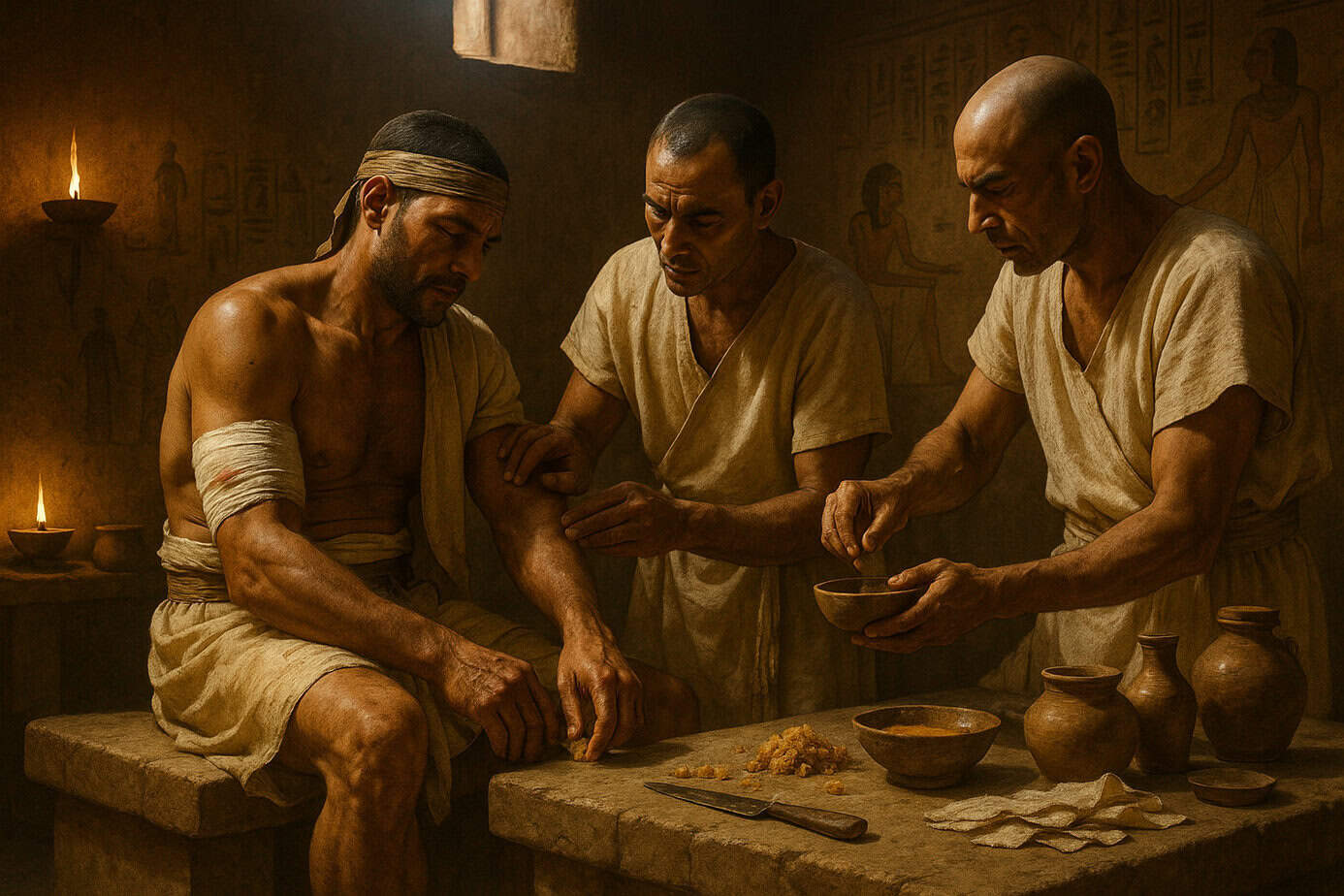
Frankincense has this way of slipping through history almost unnoticed, except by the people who depended on it the most. Long before hospitals, penicillin, or even the idea of a sterile bandage, healers along the Nile kept small jars of this golden resin close at hand. They did not have the language of chemistry, but they understood something important. Frankincense for wound healing helped damaged skin settle down, stay cleaner, and heal a little faster than it would on its own.
How to Make Molasses at Home: The Forgotten Survival Sweetener Every Prepper Should Know
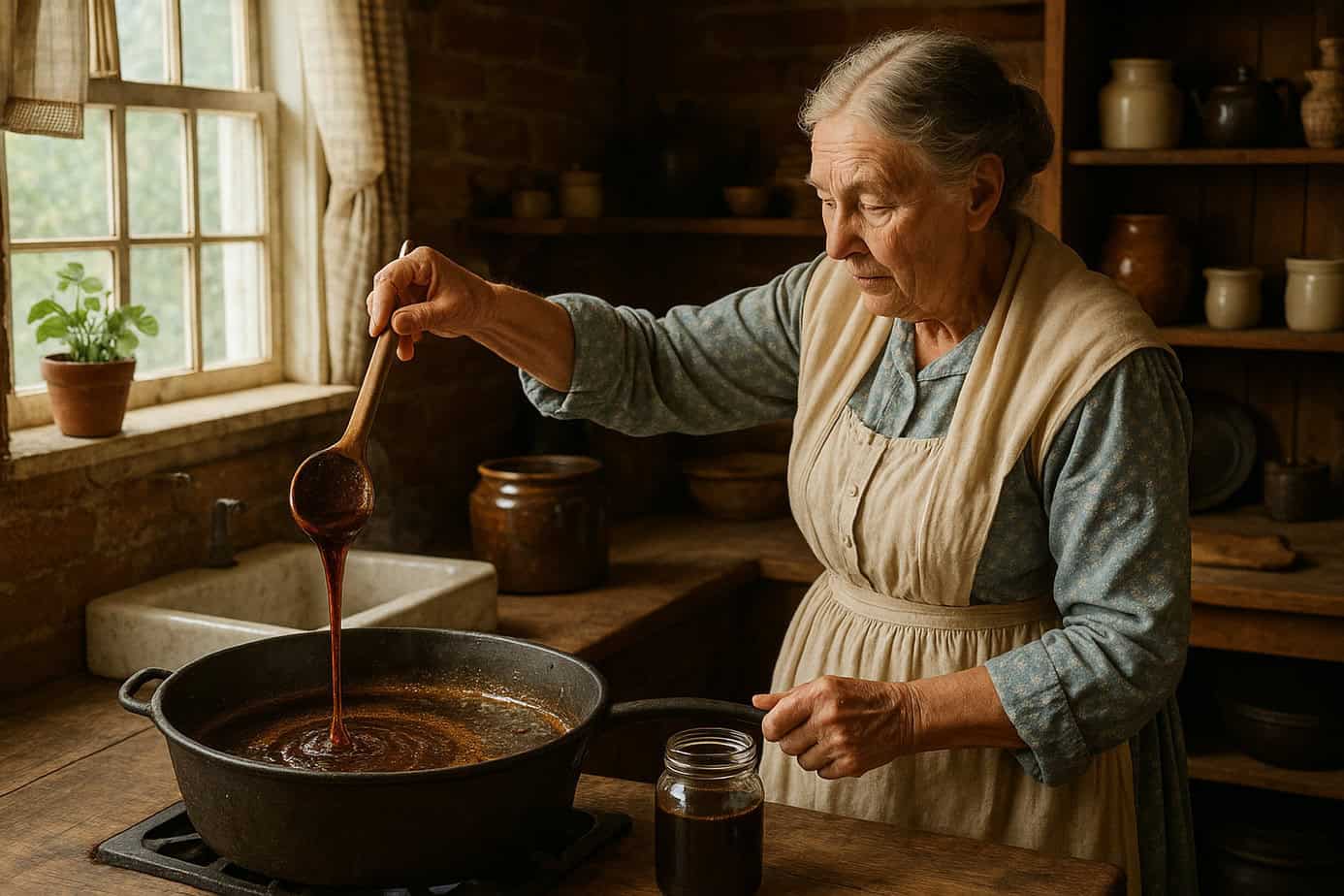
Before we get rolling, here is a quick intro to set the scene. For generations across the American South, Appalachia, the Great Plains, and the northern beet belt, families made their own sweeteners because sugar was expensive, hard to find, or sometimes unavailable for months at a time. Learning how to make molasses at home was a normal seasonal ritual and a lifeline skill. What we call a hobby today was a survival tactic then. With more preppers rethinking their food systems, this old skill is quietly making a comeback.
Flour Shelf Life: How to Store It for 10+ Years Without Bugs or Spoilage
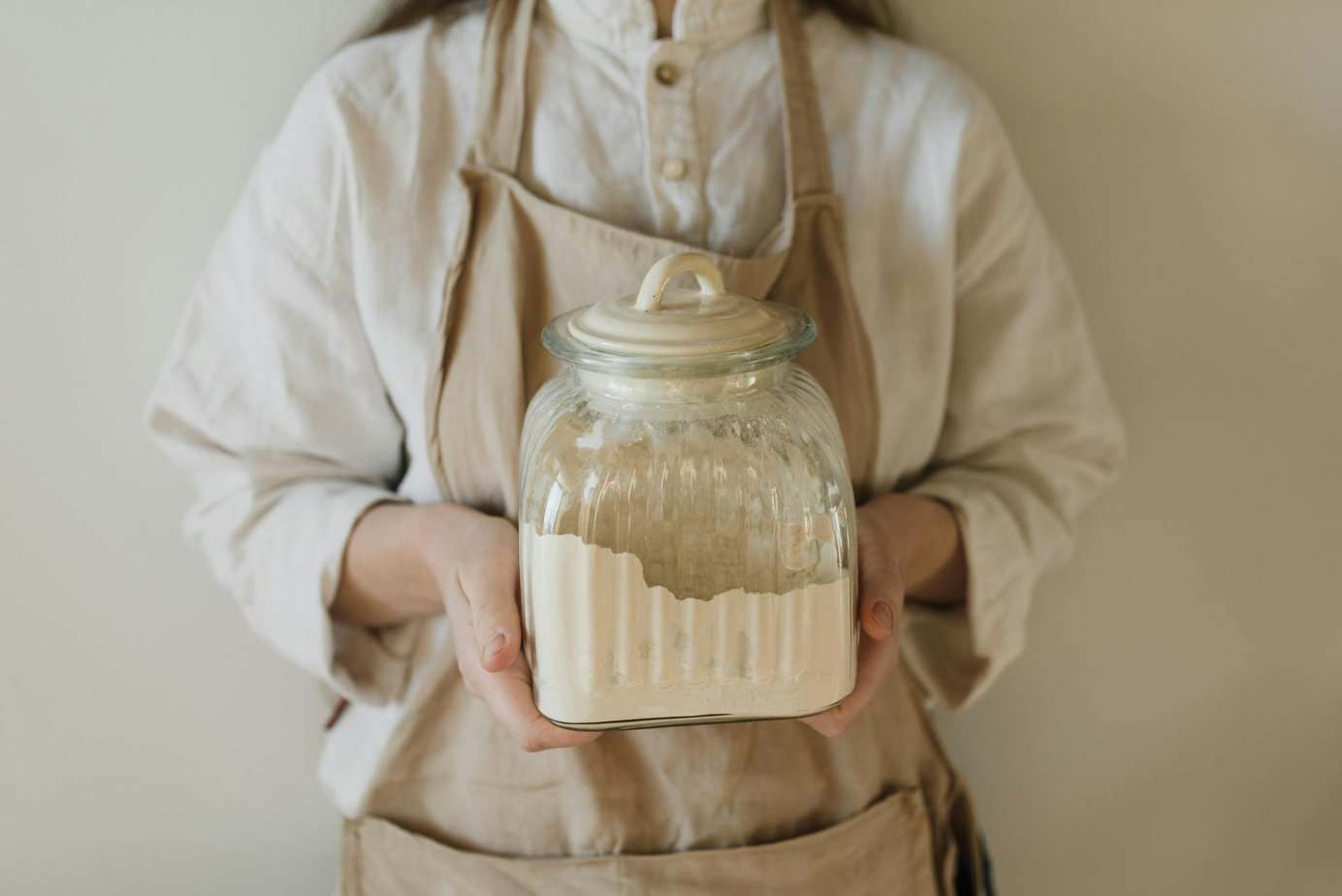
When most folks think about stockpiling food, they picture buckets of rice, beans, and salt, but flour shelf life is what quietly determines how sustainable your food supply really is. You can have all the grains in the world, but if your flour turns rancid or full of bugs, you’ve lost more than calories, you’ve lost comfort, barter value, and baking flexibility.
Pet Food Long-Term Storage: How to Keep Your Animals Fed When Supplies Run Out
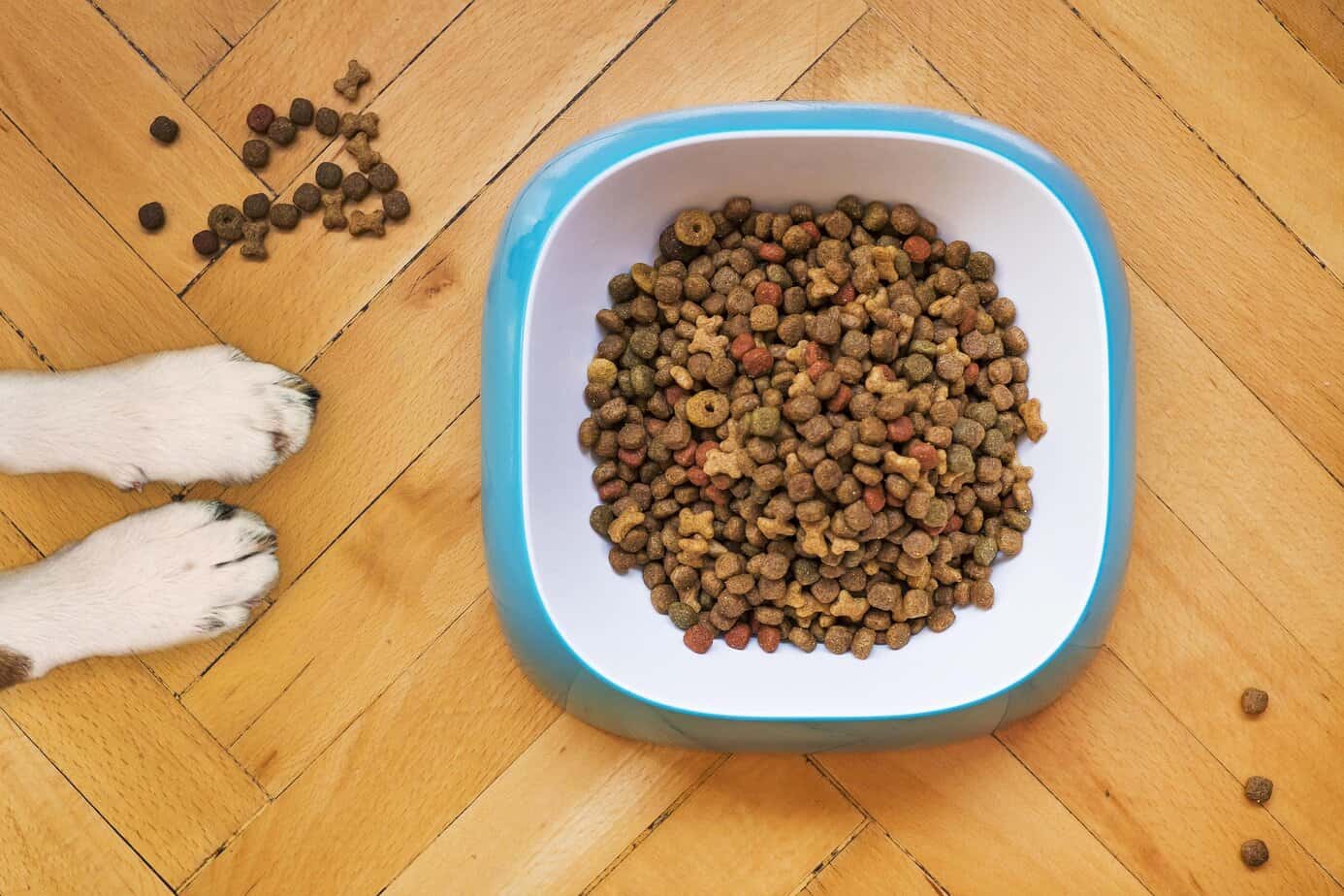
When things go sideways, grid down, supply chain breaks, trucks stop rolling, the last thing you want is your dog looking at you hungry while the shelves sit empty. Most folks stock up on beans, rice, and ammo… but forget their animals eat too.
Survival Gardening in Small Spaces: Grow Essential Foods Without Land (Part 1)
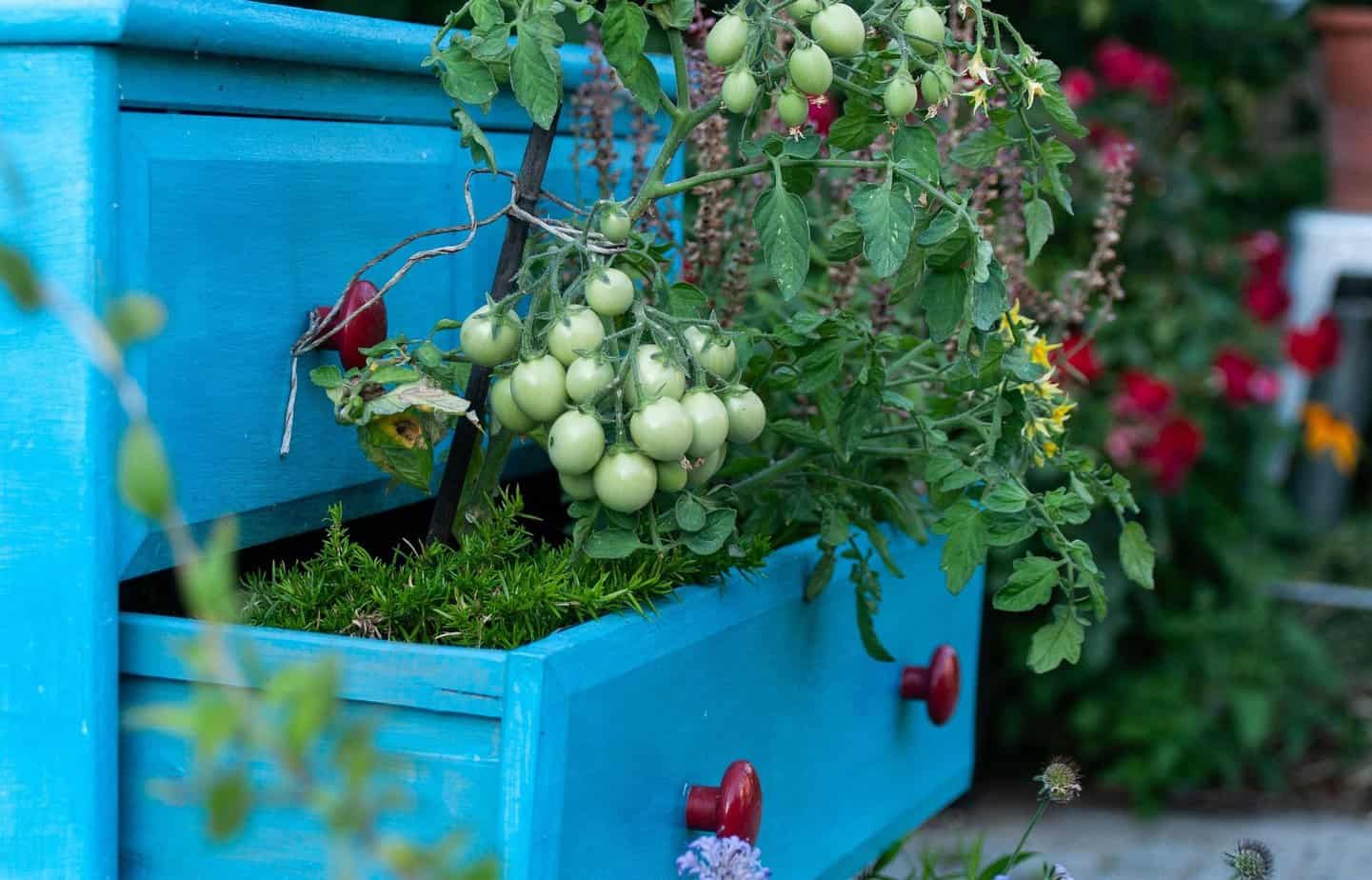
Food systems have become fragile in ways most people never notice, until a disruption hits. A few empty shelves at the grocery store might not seem like much, but they’re an early warning sign. Supply chains are optimized for convenience, not resilience.
Designing a Year-Round Medicinal Garden for Every US Climate

When most people think about growing herbs, they picture a sunny summer garden with neat rows of plants ready to snip for a cup of tea or a healing salve. That’s fine in the easy months. But what happens when a grid-down event, supply chain collapse, or even a bad flu season hits in the middle of January?
Using Vermicomposting To Obtain A Nutrient-Rich Fertilizer

You don’t have to be a tree-hugger to appreciate good dirt. Out on the homestead — when you’re miles from any store and nobody’s coming to save you — soil health is everything. It grows your food, keeps your chickens fed, and keeps your land alive. But here’s the kicker: most soil is hungry. You plant in it, harvest from it, and year after year, it gets weaker. Unless… you start feeding it right back.
Planting a Backyard Pharmacy: 8 Wild Medicinal Plants Every Survivalist Should Grow

When modern medicine fails, your backyard could become the most valuable pharmacy you’ll ever own. For preppers and survivalists, cultivating wild medicinal plants isn’t just a hobby – it’s a critical survival strategy. These resilient plants offer natural remedies for everything from infected wounds to chronic pain, and they’ll keep producing year after year with minimal care.