When people talk about emergency planning, apartment living gets treated like an afterthought, but that’s exactly why emergency fuel storage for apartments matters so much. A house has a garage, a shed, maybe even a backyard where someone can stash backup fuel or alternative cooking setups. An apartment doesn’t offer those luxuries.
You’re dealing with limited square footage, limited ventilation, and strict regulations set by property management. That means any gap in your backup power or cooking plan becomes a much bigger problem when the grid goes dark.
Why Emergency Fuel Storage for Apartments Isn’t Optional Anymore
A typical apartment pantry can’t sustain a long outage on its own, and electric ranges, microwave ovens, and induction cooktops all fail instantly the moment the grid quits. Even gas stoves in many modern buildings rely on electric ignition systems, so you can’t assume they’ll fire up during an emergency.
That leaves you with a simple question: what’s the safest and most reliable way to store workable energy indoors without risking your lease, your neighbors, or your safety?
That’s where the idea of well-planned, safe indoor fuel sources becomes essential instead of optional.
Short-term outages might last a few hours, but anyone who has ridden through hurricanes, ice storms, rolling blackouts, or infrastructure failures knows that multi-day interruptions are absolutely possible. Apartment dwellers routinely get hit hardest because there’s no generator humming in the backyard, no charcoal grill on the porch, and no private space to store gallons of combustible liquids.
This limitation creates a harsh truth: if you don’t prepare before the outage, you’re stuck relying on cold food, lukewarm water, and whatever heat retains inside your unit. And if you’re caring for kids, elderly relatives, or pets, the stakes rise fast.
That’s why emergency planners consider compact, safe fuels the backbone of apartment resilience. You need heat for cooking, sanitation, medication prep, and basic morale. You also need a way to make small amounts of warm water, especially during winter outages or shelter-in-place events. None of these tasks require large quantities of fuel, but they do require the right type of fuel stored in the right way.
As we go through each section of this guide, every fuel type will be evaluated through the same lens: Is it legal in most US apartments? Is it safe to store indoors? How long does it last? How much do you actually need? What are the real risks? And most importantly, how can it fit into a small-space lifestyle without drawing unwanted attention or creating unnecessary hazards?
Let’s break it all down step by step so apartment dwellers can build a reliable, compliant, and practical emergency energy plan that actually works when the lights go out.
Understanding What Counts as a Safe Indoor Fuel Source
When people first start thinking about emergency fuel storage for apartments, they usually picture rows of propane tanks or stacks of gasoline cans, but that’s not how safe indoor readiness works.
A fuel source has to meet a few very specific criteria before it’s considered suitable for small, enclosed living spaces. The goal isn’t just avoiding a fire hazard, but also minimizing fumes, reducing storage risks, and making sure the fuel won’t violate the terms of your lease. Most apartment-ready fuels aren’t “fuel” in the way new preppers imagine; they’re controlled, slow-burning, low-pressure energy sources designed for tight living conditions.
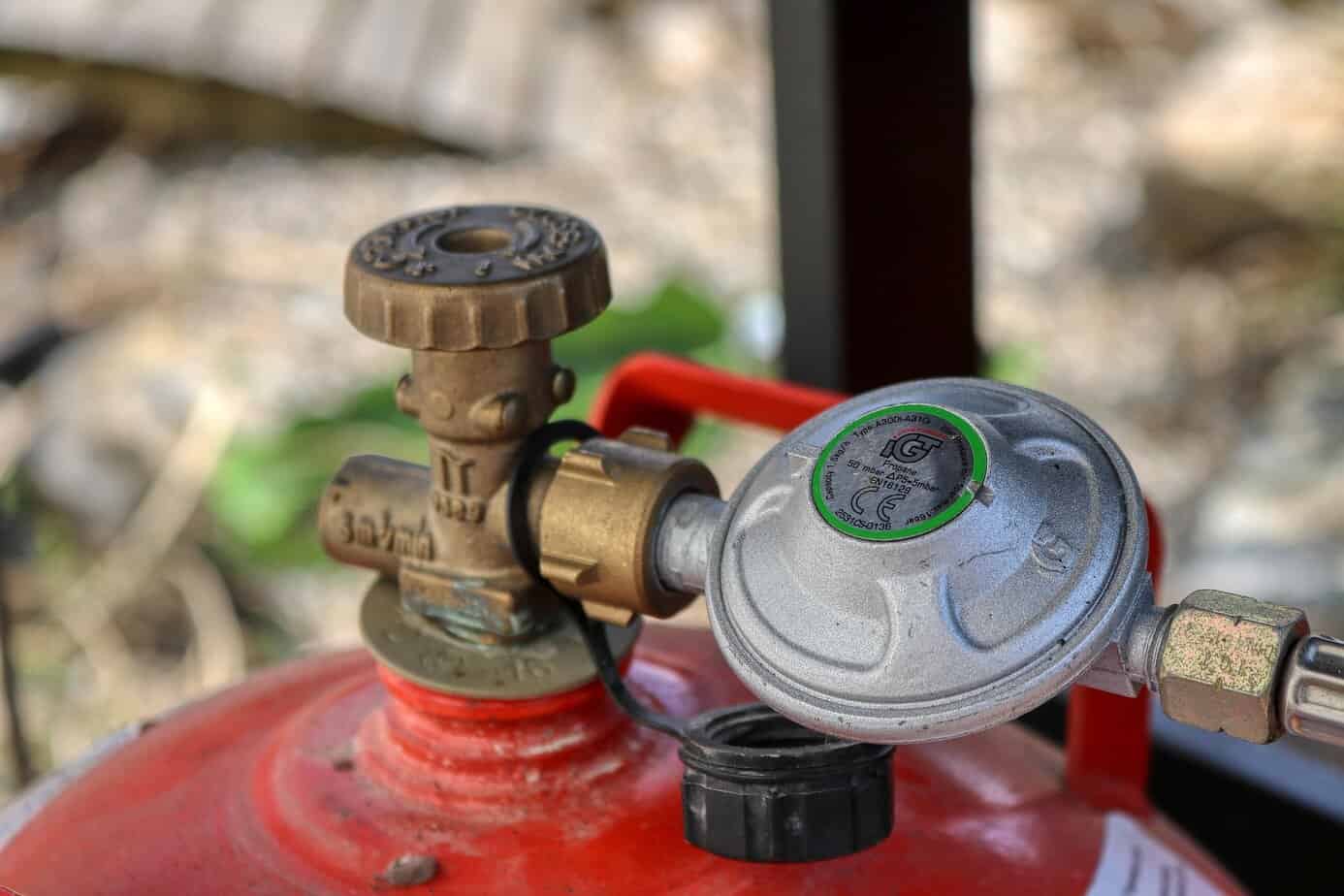
The first distinction worth understanding is the difference between pressurized fuels and non-pressurized fuels. Pressurized options like butane and propane come in sealed metal cylinders that hold pressure even when stored in warm spaces. They burn clean, ignite instantly, and have extremely long shelf lives. But they also come with specific storage rules, since the canisters can vent or rupture under extreme heat.
Propane is the bigger concern because of its higher internal pressure, which is why apartments often ban the larger 20-pound tanks used for patio grills. Butane sits on the safer end of the spectrum, especially in small 8-ounce canisters that many apartment-dwelling campers and travelers already use.
Non-pressurized fuels include alcohol-based options like Sterno, denatured ethanol, and even the yellow HEET bottles sold at auto stores. These are popular because they avoid the risks associated with gas cylinders. They’re not completely without hazard, but they evaporate slower, ignite in a more controlled flame pattern, and are usually allowed indoors when handled sensibly.
The downside is heat output since alcohol fuels are gentle and reliable but can’t boil water as fast as butane or propane. Still, their simplicity makes them a staple for indoor-safe emergency kits. For full clarity on indoor fuel behavior, the National Fire Protection Association (NFPA) has standards outlining safe handling practices, and they’re consistently referenced by emergency services across the country.
Another category worth noting is solid fuels, which are often overlooked because people assume they’re messy or inefficient. In reality, hexamine tablets, Esbit blocks, and certain biomass bricks burn clean enough for enclosed spaces when used with well-designed compact stoves. They store indefinitely, take up almost no space, and have zero chance of a catastrophic leak. They aren’t as convenient as turning a stove knob, but they shine when you need long-term shelf stability and easy storage in an apartment closet or emergency tote.
Finally, we have the modern definition of “fuel” in apartment preparedness: battery power stations. They aren’t traditional fuels, but in practical terms, they provide the same end result: energy on demand. They charge from a wall outlet or folding solar panel and store that energy safely for when the grid shuts off. No fumes, no combustion and no constant worry.
They’re especially helpful for anyone with medical devices, CPAP machines, refrigerated medications, or a strong need to power communication gear. The U.S. Department of Energy also provides safety recommendations for consumer energy storage systems.
Apartment preparedness benefits from systems that don’t rely on flammable liquids. The trick is fitting them into your daily life without clutter, without risk, and without breaking the rules of your building. Knowing what qualifies as a safe indoor fuel lays the foundation for everything that comes next, from butane setups to alcohol burners to battery stations and solar recharging.
The Core Principles Behind Emergency Fuel Storage for Apartments
A lot of folks jump straight into buying stoves and canisters before they understand the mechanics behind safe indoor energy, but the core principles behind emergency fuel storage for apartments are what keep everything stable, legal, and genuinely useful when a crisis hits.
When you’re dealing with apartment units packed tightly together, the margin for error shrinks and what works in a suburban garage doesn’t automatically translate to a high-rise where dozens of people share walls, ceilings, and ventilation systems. That’s why this section lays out the foundational rules that apply no matter what type of fuel you end up storing.
The first principle is heat control. Every usable fuel source produces heat, but how that heat behaves in a small indoor environment matters more than the flame size itself. A butane burner produces a hotter, cleaner flame than most alcohol setups, but it also concentrates that heat in a smaller, more intense zone. Alcohol burns cooler and broader, which is often safer around cramped countertops or small emergency cooking stands. Solid fuels spread heat differently again, creating a low, steady flame ideal for warming water or slow heating tasks.
Understanding these heat signatures keeps you from melting a countertop, scorching a cabinet, or accidentally overheating a storage tub where you keep additional canisters.
The second principle is ventilation awareness. Even the cleanest fuels produce some level of byproduct. Butane and propane burn efficiently, but they still consume oxygen. Alcohol fuels release trace vapors depending on formulation, and solid fuels like hexamine can create mild fumes depending on airflow. None of these are inherently dangerous when used correctly, but you do need fresh air. The U.S. Centers for Disease Control and Prevention provides clear warnings about indoor carbon monoxide risks, even with small appliances.
While the fuels commonly used in apartments produce minimal CO compared to gasoline or kerosene, you still never operate them in a completely sealed room.
The third principle centers on storage temperature stability. Apartment closets and cabinets can heat up if they’re near water heaters, shared walls, or sun-exposed exterior surfaces. Pressurized fuels handle temperature ranges very well, but prolonged high heat accelerates pressure changes inside the canisters. Alcohol fuels are far more forgiving, but even they benefit from cool, stable storage to reduce evaporation over long periods.
Battery power stations need stability too. Lithium iron phosphate (LiFePO4) units tolerate heat better than older lithium-ion models, yet the Department of Energy notes that battery longevity improves dramatically when stored in moderate temperatures.
The final core principle is quantity control because storing more doesn’t automatically make you safer or more prepared. In fact, the opposite is usually true. Apartment-friendly fuels excel because they require small volumes to achieve meaningful results. One or two butane canisters, a handful of alcohol cans, a few solid fuel tablets, and a modest power station cover most needs.
Hoarding gallons of anything in a studio apartment is less about preparedness and more about increasing avoidable risk. When the keyword topic of emergency fuel storage for apartments comes up among experienced preppers, this principle always lands near the top: tight living environments demand smart quantities, not bulk stockpiles.
These principles guide how each fuel type in later sections will be evaluated. Once you absorb them, storing and using safe indoor energy becomes far more intuitive.

Butane: The Most Practical Indoor Fuel for Small Spaces
When people think about emergency fuel storage for apartments, butane usually ends up at the top of the list because it checks more safety and usability boxes than almost any other indoor-compatible fuel. It burns clean, it stores well, and it works with compact stoves specifically designed for enclosed or semi-enclosed environments.
For apartment dwellers dealing with tight storage, shared walls, and predictable landlord restrictions, butane is often the safest and most functional balance between heat output, portability, and low risk.
Butane canisters operate at a lower internal pressure than propane, which makes them far more predictable inside a climate-controlled unit. A typical 8-ounce canister powers most tabletop butane stoves for about 1.5 to 2 hours on moderate flame. That might not sound like much, but for emergency cooking tasks like boiling water, heating canned food, or preparing simple meals, two hours goes a long way.
Many preppers figure out quickly that a three-pack or four-pack of butane canisters quietly tucked into a cabinet provides enough cooking capacity for several days of grid-down living without cluttering the apartment with bulky equipment.
One of the biggest advantages of butane is the clean flame. It produces minimal residue and negligible odor when burned correctly, and many single-burner stoves feature built-in safety systems like pressure-release mechanisms and automatic shutoff valves.
These systems are not gimmicks. They exist because butane stoves are widely used in food service, camping, and disaster-relief environments where safety is essential. If you want technical clarity about fuel performance, the Compressed Gas Associationv provides general safety guidance relevant to small canisters.
Ventilation is still important. A butane stove consumes oxygen as it burns, and while it doesn’t produce the carbon monoxide levels seen with gasoline or kerosene, you still want airflow. Running a stove near a cracked window or in an open kitchen layout keeps the environment safe and comfortable. Preppers often pair butane with a low-profile carbon monoxide detector for peace of mind. These detectors are small, inexpensive, and make a world of difference if you’re cooking during a long outage where windows may stay closed in cold weather.
Storage is another area where butane shines. The canisters are small, recyclable after use, and easy to organize in plastic storage bins. As long as you avoid direct heat sources, they maintain long shelf life without degradation. Serious apartment preppers usually rotate canisters every few years, but unused butane stored in a cool, stable environment can last a decade or more. That reliability is one of the reasons restaurants and food vendors rely on it day after day.
Butane isn’t perfect. It struggles in temperatures below freezing, which slows vaporization and weakens the flame. That’s less of an issue indoors, where temperatures rarely drop low enough to affect performance. Still, it’s worth knowing for anyone planning to cook near drafty windows during winter outages. Some people keep a small alcohol stove as a backup, since alcohol doesn’t suffer from cold performance issues.
But for day-to-day apartment preparedness, butane is the workhorse fuel: clean, compact, predictable, and easy to store without drawing attention. It gives apartment dwellers the ability to cook hearty meals, heat water, and stay functional during extended power failures without resorting to unsafe improvisation.
Propane in Apartments: What’s Legal, What’s Safe, and What’s Realistic
Any discussion about emergency fuel storage for apartments eventually runs into the propane question. Propane is powerful, efficient, and widely available, but it’s also the fuel most restricted in multi-unit housing.
That doesn’t mean it’s unusable; it just means you need clarity about what’s legal, what’s smart, and what’s actually allowed in most US apartment buildings. The goal here isn’t to encourage workarounds but to lay out the technical considerations so you can make the right decisions without risking a lease violation or safety issue.
The first thing to understand is that 20-pound propane tanks, the kind used on backyard grills, are almost universally prohibited inside apartments. They store propane at high pressure, and if they were to vent inside a closed space, the gas would pool along the floor because propane is heavier than air. That creates an ignition hazard even without an open flame.
For these reasons, most fire codes and lease agreements explicitly ban them indoors. If you want the official basis for these rules, the NFPA 58 standard on LP-Gas is the industry reference that landlords and fire departments follow, and it’s summarized by the National Fire Protection Association.
Where things get more flexible is with the small 1-pound propane cylinders. These are the green camping bottles used for portable stoves, lanterns, and heaters. Some apartment complexes allow them because they store significantly less gas and operate at lower total system capacity. Others still restrict them under the same umbrella rules as larger cylinders.
The wide variation comes down to how individual property managers interpret local fire codes. If your building allows them, they can be a practical short-term energy source for emergency cooking, especially with compact propane camp stoves that burn clean and produce reliable heat output.
That said, propane has unique behavior in enclosed spaces. Even during proper use, the flame consumes oxygen at a faster rate than butane or alcohol. That means ventilation is non-negotiable. Cooking next to a cracked window or balcony door is the minimum, even when running a small burner. The U.S. Consumer Product Safety Commission stresses the importance of ventilation whenever using appliances that burn fuel indoors.
While propane stoves designed for camping are efficient, they’re not meant to operate in sealed rooms.
Storage is the next concern since even the 1-pound cylinders need a stable temperature environment. They should never be stored near heat sources, water heaters, sun-exposed closets, or stacked against metal surfaces that conduct heat. Many apartment preppers simply keep one or two cylinders in a small plastic tote with a lid, tucked into a cool cabinet away from appliances. Keeping quantities low is the smartest approach. Propane is powerful, but you don’t need much of it for emergency cooking tasks. A single 1-pound bottle can power a compact burner for several hours, which is more than enough for a multi-day outage.
One more consideration is long-term reliability. Unlike butane, which stays stable for years, propane cylinders can develop slow leaks over time if the valve is jostled or damaged. That’s why it’s generally better to store fewer propane bottles and rely more heavily on butane, alcohol, or battery power stations as your primary indoor energy plan. Propane becomes the specialty tool: the strong flame for fast boiling or for situations where you need higher heat than alcohol or solid fuel can deliver.
In the end, propane can be part of an apartment preparedness strategy, but it shouldn’t be the backbone. It’s best treated as a supplemental option, used only when the building rules allow it and always stored in modest quantities. When balanced with safer indoor fuels, propane adds flexibility without taking on unnecessary risk.
Alcohol Fuels: Sterno, Ethanol, and HEET for Controlled Indoor Cooking
For people trying to keep their setup simple and low-risk, alcohol fuels often become the quiet hero of emergency fuel storage for apartments. They’re easy to store, they’re forgiving in tight spaces, and they burn with a soft, controlled flame that’s much safer for cramped countertops or makeshift indoor cooking setups. While they won’t win any awards for raw power, alcohol fuels excel at reliability, shelf life, and predictable performance, which is exactly what most apartment dwellers need during a grid-down situation.
There are three main alcohol fuels worth talking about: Sterno (gel alcohol), ethanol (denatured alcohol), and HEET (methyl alcohol). Each has its role. Sterno is the simplest, safest option and is often used in catering or buffet warmers. It produces a mild flame well-suited to heating food, warming water, and slowly simmering small meals. Because Sterno burns cooler than other fuels, it’s extremely hard to tip into the danger zone of overheating cookware or scorching surfaces. Most apartment preppers treat it as a backup or secondary fuel because it’s nearly impossible to misuse.
Ethanol-based fuels, typically sold as denatured alcohol, land in the sweet spot between safety and usable heat output. They burn hotter than Sterno, ignite easily, and work well with compact alcohol stoves used by backpackers. Ethanol stoves don’t produce pressurized flames, which means they’re far more tolerant of small mistakes.
Even if you spill a small amount, it evaporates quickly. The flame can be hard to see in bright light, though, so careful handling matters. If you want official safety guidance on household chemicals and indoor combustion risk, the Environmental Protection Agency provides clear documentation on indoor air quality .
HEET, the yellow-bottle fuel found in automotive aisles, is another proven option for emergencies. It’s made of methyl alcohol and burns hot and steady, making it ideal for compact stoves like the classic Trangia-style systems. While methyl alcohol is toxic if ingested, it’s perfectly safe when burned in a proper burner. Apartment preppers often keep a couple bottles on hand because they’re cheap, stable, and widely available even during supply disruptions.
One of the biggest advantages of alcohol fuels is their storage simplicity. They aren’t pressurized, they don’t off-gas significantly, and they don’t require special containers beyond their factory packaging. When stored in a cool cabinet or plastic tote, they maintain potency for years. For people trying to strike the right balance between safety and readiness, alcohol fuels represent a calming alternative to high-pressure canisters.
Performance is predictable, which matters in an apartment setting where you don’t have the luxury of powerful ventilation or open-air setups. Every alcohol fuel produces some amount of water vapor and trace byproducts, but the levels are minimal compared to propane or kerosene. Many ultralight backpackers cook with alcohol inside tents or enclosed shelters with small vents, and apartments offer far more space and airflow than that. Still, cracking a window keeps conditions comfortable and helps prevent lingering vapors.
Compared to butane or propane, alcohol takes a bit longer to boil water or cook heavier meals, so many preppers use it strategically: morning coffee, heating water for freeze-dried meals, warming soups, or reheating leftovers. Tasks that require high heat or long cook times are better handled by butane or battery power stations. Alcohol shines in low-intensity, predictable cooking where safety outweighs speed.
For apartment dwellers who want a dependable, low-profile emergency fuel that stores with almost no oversight, alcohol deserves a permanent spot in the kit. It’s the quiet, steady performer that adds redundancy without adding stress.
Solid Fuel Options: Esbit, Hexamine, Wood Pellets, and Biomass Bricks
Solid fuels don’t get as much attention as butane or alcohol, but for people working through emergency fuel storage for apartments, they can be one of the smartest additions to a small-space preparedness kit. They’re stable, lightweight, nearly impossible to spill, and completely immune to the pressure-related issues that come with canister fuels. When you’re living in a building where even a minor accident can impact the neighbors around you, that kind of stability is worth a lot.
Esbit and hexamine tablets are the classics. They’ve been around for decades, used by militaries and backpackers who need compact, long-lasting fire sources that won’t leak, evaporate, or lose power over time. Each tablet burns for about 10 to 15 minutes with a controlled, smokeless flame, producing enough heat to boil small pots of water or warm food. Because the flame pattern is so predictable, they’re easy to manage even on narrow countertops or foldable stove stands. The odor can be a little sharp when lighting the tablet, but once it’s burning, the output stays clean and steady.
Another advantage of hexamine tablets is their incredible shelf life. As long as they’re kept dry, they’re basically good forever. For apartment dwellers who want a backup cooking option that doesn’t require rotation, hexamine is as close to a zero-maintenance fuel as you can get. Even people who rely primarily on butane or a battery station often stash a few tablets just in case they need something that works under any conditions.
Solid biomass bricks and wood pellets fall into a different category. They burn hotter and longer than hexamine, but they’re less convenient indoors because they create more smoke and require proper ventilation. Technically, they’re still usable with a well-contained stove system, especially the small gasifier-style stoves that reburn their own smoke, but most apartment dwellers treat biomass fuels as an outdoor-only option unless they live in a unit with a balcony.
Still, they can be stored safely inside the apartment since they aren’t pressurized and have no risk of explosive failure. Many preppers keep them for bug-out bags, car kits, or for temporary outdoor use when weather permits.
Where solid fuel really shines is storage efficiency. A small box of Esbit tablets can sit forgotten at the back of a drawer for years and still work instantly when needed. They’re so compact that apartment preppers sometimes build tiered systems: butane for strong heat, alcohol for low-intensity cooking, and solid fuel as the emergency reserve when everything else runs low.
Using solid fuels in an apartment requires a bit of common sense. You need a stable cooking platform, preferably a factory-made folding stove rather than improvised cookware setups. You’ll also want a tray or heatproof surface under the stove to protect counters. Solid fuel flames are modest, but the heat build-up beneath the burner can warp laminate or scorch thin surfaces. A simple metal sheet or ceramic tile solves that problem with almost no cost.
While solid fuels aren’t the everyday solution that butane or a battery station can provide, they are the ultimate last-line-of-defense option. They take almost no space, never go bad, and guarantee you can heat water or food in almost any situation. When building a complete plan around emergency fuel storage for apartments, solid fuel becomes the quiet insurance policy that ensures you’re never left without some form of usable heat.
Battery Power Stations and Solar Panels as Clean Apartment “Fuel”
When people think about emergency fuel storage for apartments, they often imagine stacks of canisters or shelves full of backup cooking supplies. But the most apartment-friendly energy source isn’t a flame at all. It’s a battery power station paired with a small solar panel. These systems give apartment dwellers a clean, quiet, zero-combustion way to keep essential electronics running during outages. And unlike traditional fuels, they have almost no storage restrictions because they aren’t flammable liquids or pressurized gases.
Modern power stations using LiFePO4 batteries have become a backbone of apartment preparedness. They’re stable under heat, they hold a charge for months, and they can run everything from a phone and flashlight to a CPAP machine or small medical device. This matters in tight living spaces where ventilation is limited and safety rules are strict. A battery station eliminates the fire risk, oxygen consumption, and fumes associated with any burning fuel. That’s why a lot of apartment preppers treat one as their primary energy source and rely on butane or alcohol only for cooking.
What makes these stations so useful is their hybrid function. They store grid energy when times are normal, then release it on demand when the power drops. Their capacity varies. Smaller units handle phones, radios, and LED lamps with ease, while mid-sized models can run small fans, routers, and even portable induction cookers for short periods. During long outages, they pair naturally with compact folding solar panels. An apartment balcony or even a window that gets a few hours of sun can recharge the unit enough to keep communication devices alive indefinitely.
From a safety standpoint, battery stations solve several apartment-specific problems. They don’t require ventilation, they don’t create heat unless under heavy load, and they don’t smell or off-gas. Storage is simple: a closet, shelf, or under-bed tote works perfectly. For a topic like emergency fuel storage for apartments, this is the cleanest “fuel” you can practically store. There’s no risk of leaks, no heavy tanks, and no long-term expiration date to track. LiFePO4 cells routinely last over 3,000 charge cycles, which means a single unit can outlive most conventional emergency supplies.
Their limitations come down to power demand. You can’t treat a battery station like a whole-house generator. Running space heaters, air conditioners, or full-size refrigerators just isn’t realistic for most models, even high-end ones. But that’s not what apartment resilience usually requires. The goal in a bug-in scenario is to maintain light, communication, and medical needs. For that, battery stations excel.
Many apartment dwellers also appreciate that battery power is discreet. There’s no flame, no cooking odor, and no sound. During an extended outage when the building is dark and tensions rise, subtlety matters. Being able to run a lamp, charge a phone, and power small devices without drawing attention helps keep your situation secure.
Solar panels complete the system. Foldable 60- to 200-watt panels weigh little, store flat, and can be deployed in minutes. Even if you don’t have a balcony, you may still get enough sunlight through a window to top off a station during the day. It won’t produce full wattage, but it’s enough to recharge phones or keep a radio active. For longer outages, every watt helps.
Battery power stations don’t replace cooking fuels, but they dramatically reduce how much flame-based fuel you actually need. When paired with butane, alcohol, or solid fuel for heat, a power station becomes the core of a balanced, apartment-safe emergency energy plan. In a setting where fuel rules are strict and safety margins are thin, clean electric storage might be the most dependable “fuel” you can own.
How Much Fuel You Actually Need for a Real Bug-In Scenario
Once someone understands all the different fuel types that fit safely into emergency fuel storage for apartments, the next question always comes up: how much do you really need? Apartment dwellers don’t have the luxury of storing 20-pound propane tanks or crates of biomass, so the answer has to be realistic and grounded in actual energy requirements. A smart storage plan doesn’t rely on bulk. It relies on efficiency, redundancy, and understanding what you’ll actually be doing during a long outage.
Most apartment bug-ins revolve around three core needs: heating water, cooking simple meals, and powering essential electronics. Everything else is secondary. Heating and cooking only take a few minutes per meal, which means you’re not burning fuel continuously.
A single butane canister runs for roughly 90 to 120 minutes on medium flame, and most emergency cooking tasks take just 5 to 10 minutes at a time. That means one canister can easily last two or three days for simple meals. With that in mind, a realistic baseline for most apartments is three to six butane canisters. That gives you nearly a week of cooking time, which covers 90 percent of short- and medium-duration outages.
If you prefer alcohol fuel for its simplicity and safety margin, a few cans of Sterno or one bottle of denatured alcohol will last surprisingly long. Alcohol burns slower and less intensely than butane, so you’ll often use it for warming or simmering rather than full-on cooking. Two or three cans of Sterno, or a quart of ethanol, is enough for basic meals and hot drinks for several days. Preppers who rely heavily on alcohol sometimes keep both gel and liquid forms so they can choose the right flame intensity for the task.
Solid fuels like Esbit or hexamine tablets are the easiest to plan for because the burn time is fixed. One tablet boils a small pot of water. If you expect to heat water twice a day for meals or drinks, a dozen tablets will get you through nearly a week. Solid fuel works best as a backup reserve in an apartment because it has no mechanical parts, no risk of leaks, and no long-term degradation. Many apartment preppers toss 10 to 20 tablets into a bin and forget about them until they’re needed.
Battery power stations change the equation further. When you use a battery for lights, phone charging, radios, and medical gear, you end up using less flame-based fuel overall. A mid-sized power station can run LED lighting for days and charge phones a dozen times. It eliminates the need to burn fuel for anything except cooking. That’s why the most efficient apartment setups use a blended approach: electricity for everything except heating water and food, and a modest stock of controlled fuels for the cooking side.
It’s also worth addressing the temptation to overstock. In an apartment, more isn’t better. Too much fuel creates both a safety hazard and unnecessary storage pressure. The goal isn’t to survive a six-month collapse. It’s to weather outages lasting anywhere from a day to a couple of weeks.
For that timeline, a balanced system is ideal: a few butane canisters, a couple of alcohol options, a small reserve of solid fuel, and enough battery capacity to handle lights and communication. That mix keeps your apartment safe, organized, and ready for nearly any outage scenario you’re likely to face.
The core idea behind realistic emergency fuel storage for apartments is moderation. You don’t need gallons of anything. You need the right mix of compact, dependable fuels that let you cook, stay informed, and keep essential devices powered without overwhelming your living space.
Safe Storage Layouts: Making Fuel Fit in a Small Apartment Without Risk
When people start planning emergency fuel storage for apartments, the biggest challenge isn’t choosing the fuel. It’s finding a safe, compliant, and practical way to store it without cluttering the entire living space. Apartments don’t offer garages, sheds, or utility rooms, so the layout matters just as much as the fuel type itself. A smart fuel layout keeps everything organized, cool, and protected while blending seamlessly into your normal living arrangements.
The first rule is temperature stability. Whether you’re storing butane canisters, alcohol bottles, or solid fuel tablets, you want to avoid hot spots. Every apartment has them: the cabinet next to the oven, the closet with the water heater, the wall that bakes all summer because it faces west. Fuels stay safest in cool, shaded areas with consistent airflow. A simple plastic tote stored under a bed or in the corner of a bedroom closet is usually ideal. Bedrooms tend to stay cooler than kitchens and utility areas, which helps keep pressurized fuels stable over time.
Next is segmentation. You never want all your fuel stored in one tight cluster. If something leaks or gets damaged, you want the issue contained to a small volume. Keeping butane canisters in one tote, alcohol fuels in another, and solid fuels in a third eliminates cross-contamination and makes each category easier to inspect. This also helps maintain a clean mental map of your storage system. During an outage, you don’t want to dig through mixed supplies; you want to grab what you need instantly.
Another key principle is vertical organization. Apartment storage works best when you go up, not out. Narrow shelving units, over-door racks, and under-sink organizers let you store fuel without eating up floor space. Butane canisters fit perfectly in small vertical cubes or stackable containers, while alcohol fuels do well on mid-height shelves where they remain accessible but out of direct reach of children or pets. Solid fuels, which pose almost no storage risk, can be tucked into upper cabinets or small drawers as long as they stay dry.
What many apartment preppers overlook is the importance of protective surfaces. Even though the fuels discussed here are safe for indoor storage, you still want a buffer between them and your building’s materials. A tote, a metal tray, or even a dedicated basket acts as a containment layer. It protects flooring, organizes the supplies, and adds a visual cue that this is emergency gear, not everyday clutter. It also prevents accidental contact with sharp objects, cleaning chemicals, or heavy items that might crush a canister or bottle.
You should also maintain access priority. The fuels you’ll use first during a blackout should be the easiest to reach. For most apartment dwellers, that means keeping butane or alcohol right at the front of the storage area and relegating solid fuels or backups to the rear.
The same applies to battery power stations. They should be stored on a reachable shelf or inside a small cabinet near an outlet so they stay charged but hidden. A power station buried under clothing or behind seasonal gear isn’t useful if the lights go out and you have to wrestle it free in the dark.
Discretion is another part of smart layout planning. Not every visitor needs to see your emergency preparations. A tidy, organized fuel layout helps keep your home looking like a normal apartment while still giving you a functional energy plan. Small, opaque totes or fabric bins blend into any décor and hide the fact that you’ve stored multiple fuel types in a compact space. In tense situations or extended outages, the ability to keep your capabilities low-profile becomes an advantage.
The last piece of the puzzle is routine inspection. Once or twice a year, check your canisters for rust, dents, or valve damage. Look at alcohol bottles to make sure caps are tight. Confirm that solid fuel packages are dry. Rotate anything that shows wear or simply replace it to maintain a high safety margin. With a storage system that’s divided, organized, and cool, inspections only take a few minutes.
By treating layout as a fundamental part of emergency fuel storage for apartments, you transform your limited square footage into a safe, streamlined, functional energy reserve. You get the readiness you need without turning your apartment into a cluttered hazard zone.
Author Bio
Bob Rodgers is a lifelong outdoorsman, herbalist, and seasoned prepper with over 20 years of real-world survival experience. As the founder of PreppersWill.com, he shares practical advice on self-reliance, off-grid living, and disaster preparedness, no hype, just hard-earned lessons from decades of hands-on prepping.
Suggested resources for preppers:
How to find Food in any Environment
The #1 food of Americans during the Great Depression