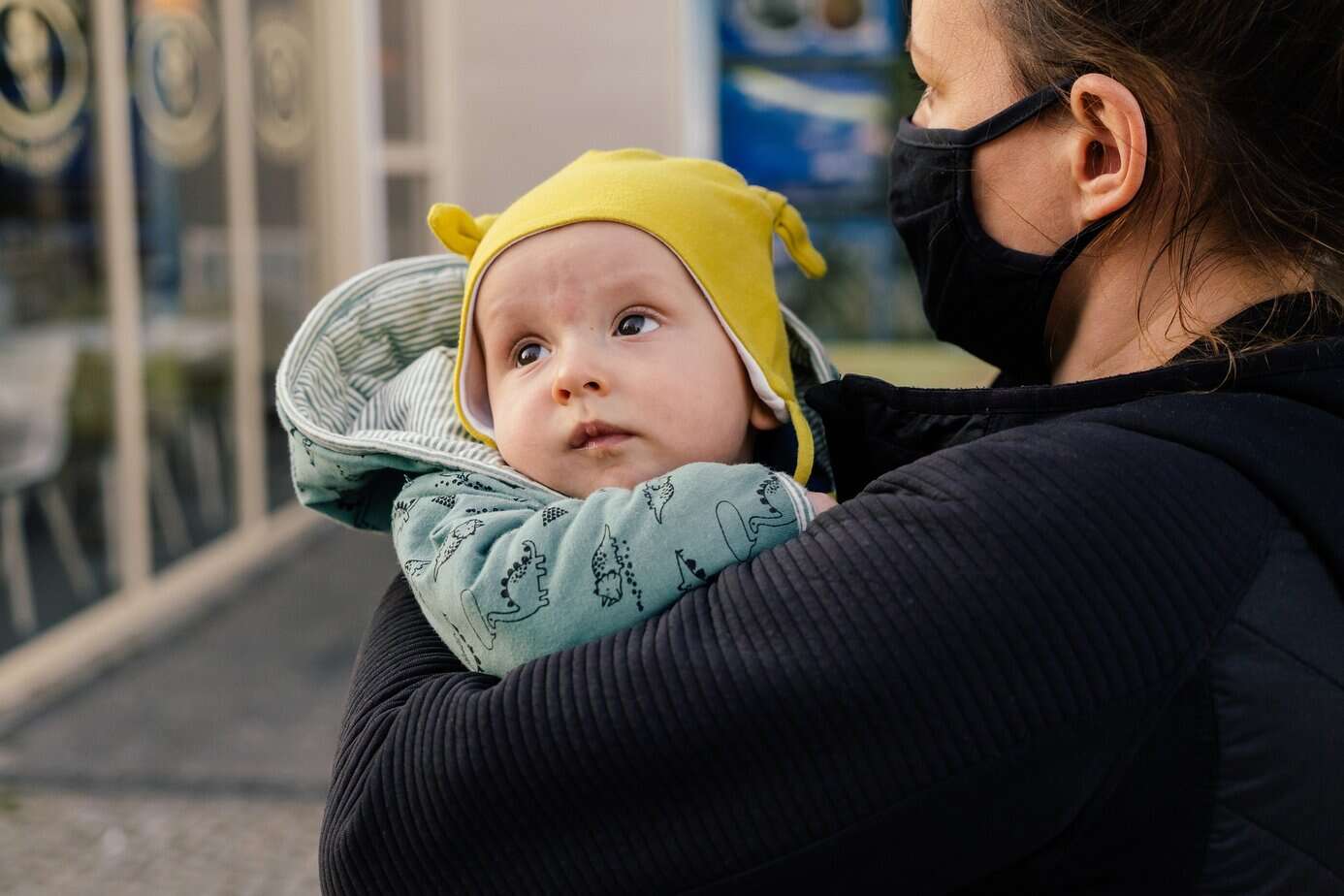
Becoming a parent doesn’t erase your prepper instincts. It sharpens them, but it also exposes gaps you didn’t know were there. Sleep deprivation changes judgment because a baby changes timelines. Noise discipline, mobility, and even simple errands suddenly carry weight.
This isn’t a feel-good checklist, it’s a hard reset for preppers who already know the basics and now have to protect someone who can’t adapt, improvise, or wait. What follows is a realistic recalibration of preparedness for new parents, built around what actually fails first when life gets loud and unpredictable.
The Moment Everything Changes: Why Your Old Prepper Plan Isn’t Enough Anymore
Most experienced preppers don’t feel unprepared when they bring a baby home. They feel overconfident, and that’s where the danger creeps in. The plans that worked when you were well-rested, mobile, and able to think three steps ahead start breaking down in subtle ways once sleep becomes inconsistent and your attention is split. It isn’t that your knowledge disappears, but the margin for error gets thinner, and small mistakes stack faster than you expect.
What really changes is how much energy every decision costs. Something as basic as checking a perimeter, rotating water, or loading a vehicle suddenly requires timing around naps, feedings, and unpredictable moods. Even seasoned preppers underestimate how much slower everything becomes, not because of incompetence, but because a baby forces you to operate in fragments of time instead of long, focused stretches. That shift alone makes many traditional prep assumptions unrealistic.
This is why reliability starts to matter more than flexibility. Gear that requires constant adjustment, troubleshooting, or fine motor skills becomes a liability when your hands are full and your brain is tired. Many new parents quietly realize that stabilizing sleep is no longer a luxury, but a preparedness issue. A dependable sound and sleep routine tool like the Hatch Rest Sound Machine becomes part of your resilience plan because consistent infant sleep directly supports clearer thinking, safer reactions, and better judgment during disruptions.
Authoritative guidance backs this shift in priorities. The CDC emphasizes that infants increase household vulnerability during emergencies, particularly when caregivers are fatigued or overwhelmed, which is why planning has to account for caregiver limitations, not just supplies.
What most people miss is that a prepper checklist for new parents is not about expanding your old plan, but about recognizing that the assumptions underneath it no longer hold once a baby becomes part of every decision.
Prepper Checklist for New Parents Starts With One Question: What Fails First When You’re Exhausted?
A realistic prepper checklist for new parents starts by acknowledging that exhaustion is not a temporary inconvenience, but a long-term condition that must be planned around rather than powered through.
Every experienced prepper likes to believe their systems are solid, but exhaustion has a way of exposing weak points you never noticed when you were well-rested. With a baby in the house, preparedness stops being about what you can do on your best day and starts being about what still works on your worst one. The most common failures are not dramatic gear breakdowns, but lapses in execution caused by divided attention, slower reactions, and decision fatigue that builds quietly over weeks.
What tends to fail first is anything that requires precision or timing. Locking routines slip. Inventory discipline erodes. Situational awareness narrows because your mental bandwidth is already consumed by feedings, soothing, and monitoring. This is why adapting your prepper checklist for new parents means stripping friction out of daily systems so they can survive neglect without becoming dangerous. If something only works when you are sharp and focused, it will eventually fail when you are not.
Mobility is a perfect example. Many pre-baby plans assume you can move quickly through your home, manage stairs easily, or keep both hands free when responding to a problem. A quality carrier like the Ergobaby Omni 360 Baby Carrier restores a surprising amount of functional movement by keeping your child secure while allowing you to cook, check exterior doors, or handle short tasks without setting the baby down in unsafe places.
The larger lesson here is that preparedness for new parents is less about expanding your capabilities and more about protecting them from erosion. Anything that reduces cognitive load, simplifies movement, or prevents small mistakes from compounding deserves a place in your plan, even if it looks mundane compared to the gear you used to prioritize.
Water, Calories, and Comfort: The Unsexy Basics That Matter More With a Baby in the House
Seasoned preppers already understand water and calories, but adding a baby to the equation changes the math in ways that are easy to underestimate. Infants don’t just increase consumption, they remove flexibility. Adults can tolerate bland food, missed meals, and mild dehydration far longer than a baby can tolerate missed feedings, inconsistent hydration for formula, or temperature discomfort. What used to be a buffer becomes a hard requirement.
Water planning is the first quiet adjustment that needs to happen. Babies rely on clean water not only for drinking, but for formula preparation, bottle washing, and basic hygiene that can’t be postponed for days at a time. This means your stored water is no longer just about volume, but about accessibility and quality. Containers that are too heavy or awkward to pour from become a problem when one hand is occupied. A gravity-fed option like the Berkey Gravity Water Filter System allows you to process and dispense clean water safely without electricity or complex setup, which matters when your energy is limited.
Calories follow the same pattern. Adults can ration, but babies operate on strict intervals. Even if you are breastfeeding, your own caloric and hydration needs increase, which means your food storage must support sustained output rather than short-term survival. Comfort also becomes a survival variable, because an uncomfortable baby leads to poor sleep, elevated stress, and cascading mistakes throughout the household. Simple items that help regulate temperature, feeding routines, and cleanliness suddenly support the entire prep plan, not just the child.
The Federal Emergency Management Agency acknowledges this shift in its guidance, noting that households with infants require additional water, food, and sanitation planning because infants cannot adapt to shortages the way adults can. That reality pushes comfort and consistency much higher on the priority list than many veteran preppers expect.
This is the point where many experienced preppers realize that preparedness for new parents is not about toughness, but about stability. When the basics are handled smoothly, everything else becomes easier to manage.
When you run the numbers honestly, a prepper checklist for new parents quickly reveals that water access, feeding consistency, and basic comfort outrank almost every other survival priority.

Power, Heat, and Weather: Keeping a Baby Safe When the Grid Goes Down
Any serious prepper checklist for new parents has to treat stable temperature, quiet power, and predictable shelter as safety requirements rather than optional comforts.
Power outages feel different once a baby enters the picture, because discomfort stops being tolerable and starts becoming a risk factor. Adults can layer clothing, ride out temperature swings, or simply accept a miserable night. Infants cannot regulate body temperature effectively, and prolonged cold, heat, or poor air quality introduces medical concerns long before adults feel threatened. This forces preppers to rethink how much margin they really have when the grid fails.
Heating and cooling plans often assume a single room can be managed manually or that generators will be deployed quickly without complication. In reality, refueling, monitoring, and adjusting systems becomes harder when your attention is constantly pulled toward a child. Noise also becomes an issue, since loud equipment can disrupt sleep and increase stress for everyone in the house. What matters most is stable, low-intervention solutions that maintain safe conditions without demanding constant oversight.
Battery-based power fills this gap well, especially for apartments and suburban homes where generators are impractical or restricted. A unit like the Jackery Explorer 1000 Portable Power Station can quietly run essential devices such as monitors, small heaters, fans, or bottle warmers during outages, buying you time and preserving routines that keep your household functional.
Weather amplifies these concerns. Heat waves, winter storms, and poor air quality events all push infants closer to danger faster than adults. This means preparedness shifts away from roughing it and toward maintaining a controlled micro-environment inside the home. Your goal is not comfort in the luxury sense, but predictability. When temperature, airflow, and basic routines remain steady, you reduce stress, conserve energy, and avoid cascading problems that turn short outages into long-term crises.
Diapers, Formula, and the Supplies You Can’t “Improvise” Later
This is the point where a prepper checklist for new parents stops being theoretical, because diapers, formula, and hygiene supplies are either there when you need them or they aren’t.
Experienced preppers are used to adapting on the fly. You can stretch meals, substitute fuels, and get creative with repairs when something runs short. A baby removes that flexibility almost entirely. Certain supplies are non-negotiable, time-sensitive, and extremely difficult to replace once shelves empty or deliveries stop. This is where many otherwise solid plans quietly fail.
Diapers are the obvious example, but the real issue is volume and predictability. Infants burn through them at a pace that surprises even prepared parents, and running out creates sanitation problems that escalate quickly. Cloth systems work for some households, but they require water, detergent, time, and energy that may not be available during disruptions. Many parents end up relying on disposables even if they had other intentions. Bulk, compact storage options provide reliability when routines are strained and laundry capacity is limited.
Formula is even less forgiving. Even parents who plan to exclusively breastfeed often discover that stress, illness, or exhaustion can affect supply at the worst possible moment. Treating formula as a backup rather than a failure is part of realistic preparedness. Once shortages hit, switching brands or types can be hard on an infant’s digestive system, which means having what already works on hand matters. The same applies to bottles, nipples, wipes, and basic hygiene items that are easy to overlook because they seem mundane.
Authoritative guidance supports this hard line. The American Academy of Pediatrics stresses that infants require consistent access to appropriate nutrition and hygiene supplies during emergencies and warns against last-minute substitutions that can introduce health risks. That guidance reinforces the idea that some items simply need to be stockpiled, rotated, and protected from disruption rather than treated as improv-friendly resources.
This part of the prepper checklist for new parents is often where ego gets checked. There is no toughness prize for making do without what your child needs, and no scenario where scarcity here leads to a better outcome. Reliability beats creativity every time.
Medical Prep Without Playing Doctor: What You Should Store and What You Shouldn’t
Medical preparedness becomes a delicate balance once a baby is involved, because the cost of getting it wrong rises sharply. Experienced preppers often lean toward redundancy and depth, but infants introduce variables that make aggressive DIY medical plans risky. Dosages are smaller, reactions are harder to read, and symptoms can escalate faster than you expect. This is one area where restraint is part of being prepared.
The goal is not to replace professional care, but to bridge gaps safely when access is delayed. That means focusing on storage, organization, and familiarity rather than experimentation. Basic items like infant-safe fever reducers, thermometers, saline, and wound care supplies should be easy to reach and clearly separated from adult medications to avoid mistakes when you are tired or stressed. A dedicated kit such as the PreparaKit Baby First Aid Kit helps keep these items consolidated and reduces the chance of grabbing the wrong product in a moment of urgency.
What you should avoid is stockpiling prescription medications or advanced tools without proper guidance. Infants respond differently to treatments, and well-meaning interventions can create more harm than the original problem. Training matters more than tools here. Knowing when to act, when to wait, and when to seek help is the real skill that carries households through medical disruptions intact.
This is also where documentation becomes part of preparedness. Keeping printed pediatric dosing charts, vaccination records, and emergency contacts ensures you are not relying on memory or a phone battery when clarity matters most. Medical prep for new parents is about reducing uncertainty, not increasing confidence beyond what is justified.
Security When You Can’t Move Fast or Stay Quiet
Security planning takes on a different tone once a baby is in the house, because stealth and speed are no longer guaranteed. Crying happens on its own schedule, and your ability to respond physically to a threat is constrained by whether you are holding a child, recovering from broken sleep, or managing a household that never fully powers down. Pretending those limits do not exist only creates blind spots.
The first adjustment is mental. Security shifts from confrontation to prevention and early warning. You want time, distance, and clarity, not heroics. Reinforcing doors, managing exterior lighting, and controlling access points matter more than reactive force because they reduce the likelihood of ever needing to make a fast decision under pressure. Simple detection tools that operate passively fit this model well.
Noise discipline also needs a reality check. Babies generate sound, and trying to maintain absolute quiet is unrealistic and counterproductive. Instead, your goal is to normalize household noise while maintaining situational awareness. White noise, background sound, and predictable routines can actually mask disruptions and reduce the signaling value of occasional crying to anyone outside the home.
Security for new parents is about creating layers that buy time rather than relying on speed or surprise. When detection, deterrence, and delay are working in your favor, you are less likely to be forced into high-risk decisions while caring for someone who depends entirely on you.
For many households, a prepper checklist for new parents quietly shifts away from evacuation scenarios and toward strengthening the home as the safest place to ride out most disruptions.

Prepper Checklist for New Parents Means Redefining “Readiness”
For many long-time preppers, readiness has always been measured by capability. How much you can carry, how far you can go, how long you can last. A baby quietly dismantles that framework and replaces it with something less glamorous but far more durable. Readiness becomes about consistency, recovery, and decision quality over time rather than peak performance in short bursts.
What changes most is the definition of success. Making it through a disruption without injury, illness, or panic becomes more important than executing a perfectly optimized plan. You start valuing systems that forgive mistakes, because mistakes will happen when sleep is fragmented and attention is split. Redundancy shifts away from exotic tools and toward backups that preserve routine, such as extra feeding supplies, spare power sources, and duplicate comfort items that prevent small problems from snowballing.
Documentation and organization also rise in importance. Knowing where critical papers are, having medical information accessible, and being able to grab essentials without thinking reduces cognitive load during stress. A fire-resistant organizer helps consolidate birth certificates, insurance information, medical records, and emergency contacts in one place, which matters when minutes count and clarity is scarce.
This reframing is supported by research on family resilience. The American Psychological Association notes that households with young children benefit most from preparedness strategies that emphasize stability, routine, and caregiver well-being, rather than extreme self-reliance or high-risk responses. That guidance reinforces what many new parents discover through experience, which is that sustainable preparedness is built on reducing stress and preserving function, not testing limits.
This stage of the prepper checklist for new parents often feels like a loss at first, especially for those who built their identity around capability and independence. In practice, it is a maturation. You are no longer preparing just to survive, but to remain capable of caring for someone else through uncertainty, and that is a higher standard than most plans ever demanded before.
Raising a Child in a Prepared Home Without Raising Fear
One of the quieter concerns new prepper parents carry is the fear of turning preparedness into anxiety for their child. When you are used to thinking in terms of risk, redundancy, and worst-case outcomes, it is easy to forget that a child does not need awareness in the same way an adult does. What they need first is a sense of safety, predictability, and trust in their environment. Preparedness should support that, not undermine it.
In the early years, resilience is modeled rather than explained. Children pick up cues from how you respond to stress far more than from the plans you keep in your head. When disruptions happen and routines adjust calmly, preparedness becomes invisible in the best possible way. Stocked supplies, backup power, and organized systems fade into the background, allowing your household to continue functioning without drama. This is where preparation stops being a mindset and becomes infrastructure.
As children grow, involvement should be age-appropriate and practical, not fear-driven. Letting them participate in simple tasks, such as helping restock or understanding where flashlights are kept, frames preparedness as responsibility rather than danger. Tools that support routine and structure reinforce this approach. A reliable monitoring system like the Infant Optics DXR-8 Pro Video Baby Monitor allows you to maintain awareness without constant checking, which reduces parental stress and keeps interactions with your child calm and present.
The long-term goal is not to raise a child who is constantly anticipating disaster, but one who grows up in a home where problems are handled smoothly and without panic. When preparedness is done well, it feels boring, steady, and almost unnoticeable, and that is exactly what allows children to develop confidence rather than fear.
The long-term value of a prepper checklist for new parents shows up when preparedness fades into the background and a child grows up experiencing stability instead of fear.
Frequently Asked Questions: Prepper Checklist for New Parents
How much extra water should I store once I have a baby?
A common mistake is assuming a baby only adds a small amount to daily water needs. In reality, infants increase household water demand in multiple ways, including formula preparation, bottle cleaning, hygiene, and caregiver hydration, especially for breastfeeding parents. A realistic adjustment is adding at least one additional gallon per day to your existing calculations, then building buffer on top of that so short disruptions do not immediately force rationing decisions.
Is formula necessary if I plan to breastfeed?
Planning to breastfeed does not eliminate the need for formula storage. Stress, illness, supply fluctuations, and emergency separation can all disrupt feeding plans without warning. Treating formula as a contingency rather than a replacement keeps options open and prevents last-minute scrambling during shortages, which is when substitutions become risky for infants.
Should new parents still plan to bug out?
Bug-out planning does not disappear, but it should be deprioritized for most realistic scenarios. Moving with an infant increases exposure, slows response time, and complicates sanitation and temperature control. For many families, reinforcing shelter-in-place capabilities while maintaining a limited, well-defined evacuation option offers better outcomes than relying on mobility alone.
How do I balance preparedness with not scaring my child as they grow?
Preparedness should be modeled through calm behavior rather than explained through fear. Children learn resilience by watching problems handled smoothly and without panic. When supplies are stocked, power backups work quietly, and routines stay intact during disruptions, preparedness becomes background stability instead of a source of anxiety.
What medical supplies are safe to store for infants?
Stick to infant-specific basics and avoid improvisation. Items like digital thermometers, saline, infant fever reducers, and wound care supplies are appropriate when stored correctly and used as directed. Advanced tools or medications without professional guidance increase risk rather than reducing it, especially when caregivers are tired or stressed.
How does sleep deprivation affect preparedness decisions?
Sleep deprivation erodes judgment faster than most gear failures. It increases the likelihood of missed steps, delayed reactions, and poor risk assessment. This is why preparedness for new parents prioritizes systems that reduce decision load, simplify routines, and continue functioning even when attention and energy are limited.
Is cloth diapering realistic during emergencies?
Cloth diapering can work under stable conditions, but during outages or water disruptions it often becomes impractical. Disposable backups provide reliability when laundry capacity, water access, or energy is limited. Many prepared households plan for both and accept that disposables may carry the load during high-stress periods.
What is the biggest mindset shift new prepper parents struggle with?
Letting go of performance-based preparedness is often the hardest change. Readiness stops being about how much you can endure and starts being about how consistently you can care for someone else. This shift feels uncomfortable at first, but it leads to more sustainable and realistic planning over time.
About the Author:
Rhonda Owen is a 60-year-old homesteader, off-grid gardener, and long-time contributor to PreppersWill. For over a decade, she has shared practical, no-nonsense advice on food preservation, self-sufficiency, and rural living. Living partially off-grid in the Ozarks, Rhonda grows, cans, and preserves nearly all her own food while mentoring families on how to build sustainable, long-term preparedness systems. Her writing blends hard-earned experience with tested survival principles you can trust.
Other resources:
What you should know about survival foods with decades of shelf life
The Foods that helped the pioneers survive crop failures and hard times
Survival Foods of the Native Americans
If you plan to build a storage room and equip it with everything needed > Start Here!