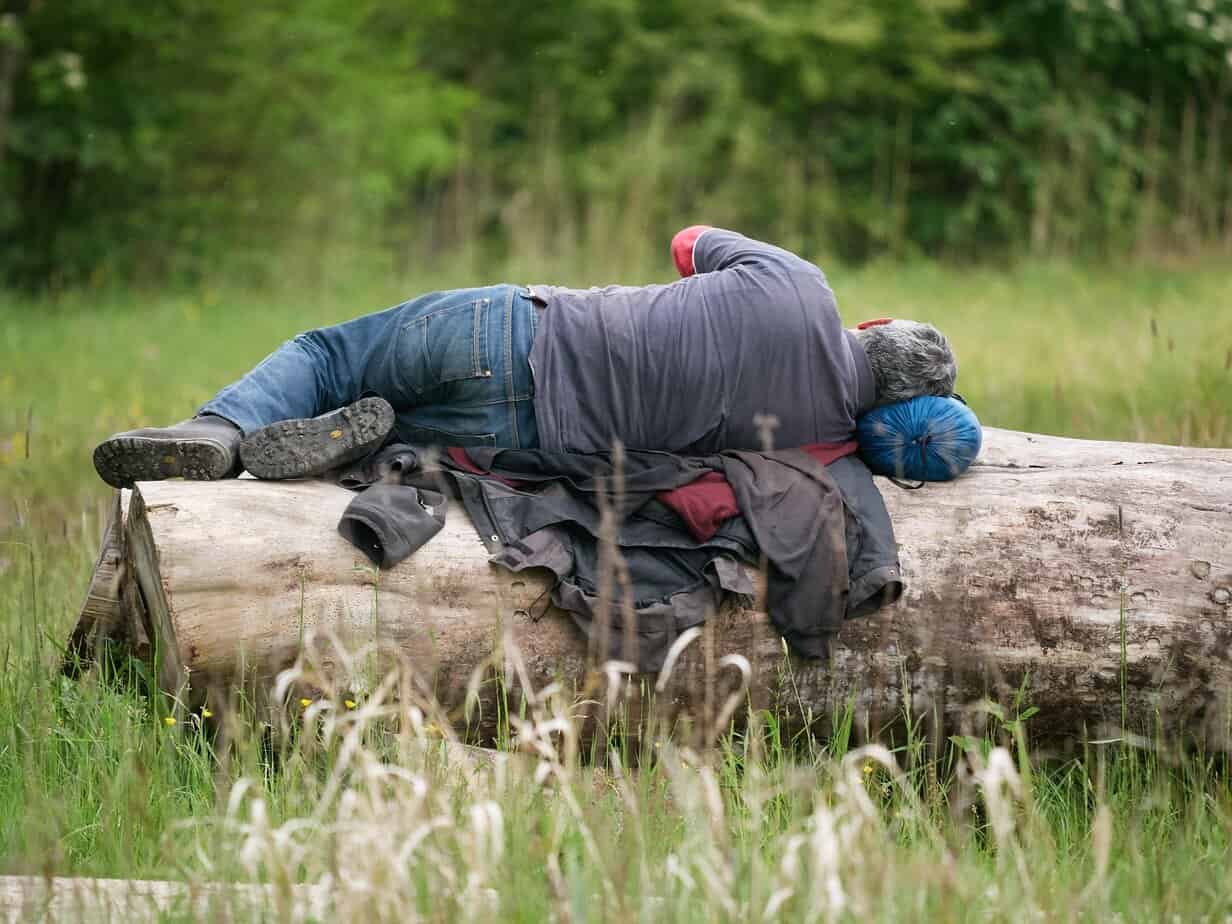
Sleep Deprivation Survival is not some macho badge of honor, and it is not a niche concern for extreme situations either. In a real crisis, whether you are dealing with a storm outage, a rushed evacuation, a sick family member, civil unrest, or just the grinding stress of staying alert when everything feels unstable, sleep can disappear faster than most people expect.
That is when bad decisions start creeping in quietly. You miss details, you overreact and you forget simple steps. You think you are still functioning well enough, but your brain is already cutting corners behind your back.
That is what makes Sleep Deprivation Survival worth talking about in plain English. Most people focus on food, water, gear, and security, which makes sense, but fatigue is one of the fastest ways to wreck all of it. A sleep-deprived person can turn a manageable problem into a dangerous one just by pushing too long without a plan. This article breaks down what 72 hours without sleep can really do to your mind and body in a crisis, where the real danger points show up, and how to stay as functional as possible without pretending you are invincible.
When Sleep Isn’t an Option: Understanding sleep deprivation survival in Real Crises
Sleep deprivation survival usually does not begin with a decision. It creeps in. You stay up late to monitor a situation, then something else happens, then something else, and before you realize it, you are running on fumes with no clean opportunity to reset. In a controlled environment, you would never plan to go 24, 48, or 72 hours without sleep, but crises are not controlled environments. They are messy, unpredictable, and often demand your attention at the exact moments your body is begging you to shut down.
In the US, most real-world scenarios that trigger sleep deprivation survival are not dramatic collapse events. They are far more common and far more dangerous because people underestimate them. Think hurricanes that drag on for days, wildfire evacuations where you barely rest between updates, extended power outages during extreme heat or cold, or situations where you are responsible for keeping others safe. Add in noise, stress, and uncertainty, and even when you have the chance to sleep, your brain may not cooperate.
There is also a psychological layer that people do not talk about enough. When things feel unstable, your brain shifts into a kind of low-level alert mode. You tell yourself you will rest “after this is handled,” but the finish line keeps moving. That is how sleep deprivation survival turns from a short-term inconvenience into a compounding risk. The longer you stay awake, the less accurate your judgment becomes, yet your confidence does not always drop at the same rate. That mismatch is where trouble starts.
According to the Centers for Disease Control and Prevention, adults need at least seven hours of sleep for proper cognitive and physical function, and even modest sleep loss begins to impair attention, reaction time, and decision-making. In a crisis, those are not optional skills. They are the difference between staying ahead of a situation and becoming part of the problem.
You also have to factor in environment. Urban preppers may deal with constant noise, light pollution, and social tension, making quality sleep harder even when there is a window for it. Rural preppers might have fewer disturbances, but they often carry more physical workload and longer periods of responsibility, especially if they are managing land, animals, or extended family. In both cases, sleep deprivation survival is not just about staying awake. It is about managing energy when real rest is limited or fragmented.
The hard truth is simple. At some point, you may not get the sleep you need when you need it. That is not failure, it is reality. What matters is recognizing early that you are entering a sleep deprivation survival situation and adjusting your behavior before fatigue starts making decisions for you.
The First 24 Hours: What sleep deprivation survival Really Feels Like Early On
The first 24 hours of sleep deprivation survival are where most people make a critical mistake. They assume they are still operating close to normal. You might feel tired, sure, maybe a little foggy, but nothing that seems dangerous. That is exactly the problem. The decline starts quietly, and because it is gradual, your brain does a good job of masking just how much performance you have already lost.
In this early phase, attention starts slipping first. You reread the same information twice. You forget why you walked into a room. You miss small but important details that would normally stand out. In a crisis, those details matter. Maybe it is a weather update you half-process, a tool you misplace, or a simple step you skip while handling equipment. None of these feel like a big deal on their own, but they stack up fast.
Reaction time also takes a hit much sooner than most people expect. According to the National Highway Traffic Safety Administration, staying awake for 18 hours can impair you to a level comparable to a blood alcohol concentration of 0.05%. Push that further, and the effects get worse. That matters if you are driving during an evacuation, handling tools, or making quick decisions under pressure. You might feel in control, but your timing is already off.
Mood changes are another early warning sign that often gets ignored. Irritability creeps in. Patience drops. You snap at people or make harsher decisions than you normally would. In a family or group survival situation, that can create tension right when cooperation matters most. Sleep deprivation survival is not just physical. It affects how you communicate, how you lead, and how well you listen.
There is also a subtle shift in risk perception. You may start cutting corners without realizing it. Maybe you skip a safety check, rush a task, or assume something will be fine without verifying it. This is where early fatigue becomes dangerous. You are not yet exhausted enough to slow down, but you are impaired enough to make mistakes.
The tricky part is that many people try to push through this stage with willpower alone. They tell themselves they will rest later, after things calm down. Sometimes that works for a short window, but often it sets the stage for deeper fatigue that hits harder and faster. Sleep deprivation survival at this point is still manageable, but only if you recognize what is happening and adjust before the next phase takes over.
48 Hours In: Cognitive Decline, Risky Decisions, and Survival Mistakes
By the time you hit 48 hours without sleep, sleep deprivation survival stops being subtle. This is where things begin to break down in ways you can feel, even if you are still trying to push through. The problem is not just that you are tired. It is that your brain is no longer processing information the way you think it is.
Memory starts to fragment. You forget conversations that just happened. You lose track of tasks mid-action. You might start something, get pulled away, and never return to it, not because you chose not to, but because it simply drops out of your mental queue. In a crisis, that can mean unfinished preparations, missed deadlines, or critical steps left hanging.
Decision-making takes a sharper hit here. According to the National Institute of Neurological Disorders and Stroke, prolonged sleep loss disrupts how the brain evaluates risk and reward. That shows up in two dangerous ways. Some people become overly cautious and freeze up, unable to commit to decisions. Others swing the opposite direction and take risks they would normally avoid. Neither is helpful when timing and judgment matter.
One of the most overlooked issues at this stage of sleep deprivation survival is something called “microsleep.” These are brief, involuntary lapses in attention that can last a few seconds. You do not feel them coming, and you may not even realize they happened. Your brain simply checks out for a moment. If you are sitting still, you might just lose a few seconds. If you are driving, handling tools, or standing watch, those seconds can be enough to cause serious harm.
The National Sleep Foundation notes that after extended sleep loss, attention lapses and reduced alertness become unavoidable, not just likely. That means you cannot rely on discipline alone to stay sharp. At this point, biology is calling the shots whether you like it or not.
Emotionally, things can get unpredictable. You may feel detached, almost numb at times, then suddenly frustrated or overwhelmed. This rollercoaster effect makes communication harder and increases the chance of conflict in group settings. If you are responsible for others, this is where leadership starts to strain. You may think you are holding it together, but others can usually see the cracks forming.
Physically, coordination begins to suffer more noticeably. Fine motor skills degrade. You fumble with gear, mistype messages, or misjudge distances. Again, nothing dramatic at first glance, but enough to create friction in everything you do. Tasks take longer. Mistakes increase. Energy drains faster.
At 48 hours, sleep deprivation survival is no longer about powering through. It becomes about damage control. You are managing decline, not avoiding it. The sooner you accept that, the better your chances of staying functional long enough to get through the situation without compounding your problems.

72 Hours Without Sleep: The Hard Truth About sleep deprivation survival Limits
At 72 hours, sleep deprivation survival hits a wall that you cannot push through with grit or mindset. This is where the idea of “I’ll just keep going” starts to fall apart in a very real, very physical way. Your brain is no longer just tired. It is struggling to maintain basic, consistent function.
One of the most serious issues at this stage is the increase in microsleeps. These are no longer occasional. They become frequent and harder to fight. You might catch yourself zoning out mid-task, losing chunks of time, or snapping back without fully understanding what just happened. In a controlled setting, that is dangerous. In a crisis, it can be catastrophic. Driving, handling tools, or even standing watch becomes a serious risk because your brain can shut off for a few seconds without warning.
Then come the perceptual distortions. Some people begin to experience mild hallucinations or visual misinterpretations. Shadows look like movement. Objects seem to shift or appear where they are not. According to the Sleep Foundation, severe sleep deprivation can lead to altered perception and difficulty distinguishing reality from imagination. That is not something you want happening when you are trying to assess threats or navigate unfamiliar terrain.
Your ability to think clearly is heavily compromised at this point. Simple decisions feel complex. Complex decisions feel overwhelming. You may struggle to follow basic logic or keep track of multiple steps. Planning ahead becomes nearly impossible, which forces you into a reactive mode. You are no longer staying ahead of the situation. You are constantly catching up, and often too late.
Physically, your body is also starting to push back hard. Reaction time is slow. Coordination is unreliable. Your immune system is under strain, and stress hormones remain elevated. You might feel wired and exhausted at the same time, which is a frustrating combination. You want to rest, but your system is too stressed to shut down properly.
Emotionally, things can swing even wider. Some people become unusually calm or detached, almost like they are observing rather than participating. Others become anxious, irritable, or overly reactive. Neither state is ideal when clear communication and steady leadership are needed. Sleep deprivation survival at this stage does not just affect you. It affects everyone around you.
This is the point where strong safety guidelines matter most. If you are approaching or beyond 72 hours without sleep, you need to start making hard calls about what tasks are truly necessary and which ones can wait. High-risk activities like driving, operating equipment, or making critical decisions should be minimized or handed off if possible. This is not about toughness. It is about recognizing limits before those limits make the decision for you.
The uncomfortable truth is that there is a ceiling to sleep deprivation survival, and 72 hours is where most people hit it. Past this point, performance does not just decline. It becomes unreliable in ways that are difficult to predict and even harder to control.
The Body Under Stress: Hormones, Immunity, and Physical Breakdown
Sleep deprivation survival is not just a mental battle. By the time you are running on little to no sleep, your body is already shifting into a stress state that was never meant to last this long. It is trying to keep you alert, keep you moving, and keep you functional, but it does that by borrowing from systems that will eventually need to be paid back.
One of the first things that ramps up is cortisol, your primary stress hormone. In short bursts, cortisol helps you stay sharp and responsive. In extended sleep deprivation survival, it stays elevated longer than it should. That leads to a wired but unstable feeling. Your heart rate may stay higher, your patience drops, and your body remains in a kind of low-level tension that never fully switches off. Over time, that drains energy faster than it provides it.
At the same time, your immune system starts to take a hit. Research from the National Institutes of Health shows that lack of sleep can weaken immune response, making you more vulnerable to illness. In a crisis, that matters more than people think. You are often exposed to more physical stress, less sanitation, and more environmental hazards. Getting sick in that window is not just inconvenient. It can compromise your ability to function at all.
Metabolism also shifts in ways that can work against you. Hunger signals get distorted. You may crave quick energy foods like sugar and processed carbs, even if you normally eat clean. That is your body trying to compensate for fatigue, but those choices can lead to energy crashes that make sleep deprivation survival even harder to manage. Stable fuel becomes more important than ever, even if your instincts are pushing you in the opposite direction.
Coordination and physical performance continue to degrade as well. Strength might still be there in short bursts, but endurance drops, and precision suffers. You are more likely to trip, misjudge distances, or mishandle tools. These are not dramatic failures. They are small physical errors that increase your risk of injury over time.
Hydration plays a bigger role here than most people realize. When you are sleep-deprived, your perception of thirst can become less reliable. You might not feel dehydrated until you are already behind. Even mild dehydration can worsen fatigue, reduce focus, and increase irritability. In a sleep deprivation survival situation, that combination can quietly push you closer to a breaking point.
There is also the issue of temperature regulation. Your body becomes less efficient at maintaining stable internal temperature when you are severely fatigued. In extreme heat or cold, that can make environmental conditions feel harsher and harder to tolerate, especially during extended exposure.
What makes all of this tricky is that none of it happens in isolation. Hormonal stress, weakened immunity, poor nutrition choices, and physical fatigue all feed into each other. Sleep deprivation survival is not a single problem. It is a cascade. The longer it goes on, the more systems begin to slip at the same time, which is why early management matters more than most people expect.
Staying Functional When Exhausted: Field-Ready sleep deprivation survival Tactics
This is where sleep deprivation survival shifts from theory to practice. You are already tired, maybe past the point where rest is realistic in the short term, and you still need to function. The goal is not to perform at your best. That is off the table. The goal is to stay effective enough to avoid mistakes that make things worse.
First thing to understand is that pacing matters more than effort. When people get exhausted, they tend to either slow down too much or push too hard in short bursts. Both backfire. A steady, controlled rhythm keeps your energy from crashing all at once. Think in terms of manageable cycles. Work, pause, reset, repeat. Even short breaks where you sit, breathe, and clear your head can stretch your functional window longer than nonstop grinding.
Movement helps, but only if it is controlled. Light physical activity can boost alertness for a while. A short walk, stretching, or even changing positions can bring your focus back online. But overexertion drains what little reserve you have left. Sleep deprivation survival is not the time for unnecessary heavy effort unless the situation demands it.
Hydration is one of the simplest and most overlooked tools. Even mild dehydration makes fatigue worse, slows thinking, and increases irritability. Drink consistently, not just when you feel thirsty. If you are sweating or under physical stress, you need to stay ahead of it. Adding basic electrolytes can help maintain balance, especially during longer stretches without rest.
Food timing matters more than quantity. Large, heavy meals can make you feel even more sluggish. Smaller, steady intake works better. Focus on simple, reliable fuel. Protein, fats, and slow-digesting carbs keep energy more stable. This is not the moment to rely on sugar spikes unless you need a very short burst of alertness and understand the crash that follows.
Mental resets are just as important as physical ones. When your thinking starts to feel tangled, stop for a moment and simplify. Ask yourself what actually needs to be done right now, not everything at once. Sleep deprivation survival rewards clear, narrow focus. The more you try to juggle, the more likely you are to drop something important.
Environmental adjustments can buy you extra function. Cold air, fresh air, or even splashing water on your face can temporarily increase alertness. Bright light helps signal your brain to stay awake, especially during nighttime hours. These are not long-term solutions, but they can give you small windows of improved clarity when you need them.
Accountability becomes critical if you are not alone. If you are working in a group, check each other. Ask simple questions. Confirm plans out loud. Fatigue makes people think they communicated something when they did not. Sleep deprivation survival is easier to manage when others can catch what you miss and vice versa.
Finally, accept that you are operating at reduced capacity. That is not weakness, it is awareness. When you adjust your expectations and behavior to match your condition, you reduce risk. When you ignore it, you increase it. Staying functional while exhausted is less about pushing harder and more about working smarter with what you have left.
Strategic Micro-Rest: How to Hack Short Sleep Windows That Actually Help
At a certain point, sleep deprivation survival is not about avoiding sleep. It is about taking whatever sleep you can get and making it count. That is where micro-rest comes in. Short, controlled periods of sleep or deep rest can take the edge off fatigue, but only if you use them correctly. Done wrong, they can leave you feeling worse.
The sweet spot for most people falls somewhere between 10 and 20 minutes. Long enough to take pressure off your brain, but short enough to avoid dropping into deeper sleep stages that make waking up harder. According to the NASA, short naps around 20 minutes have been shown to improve alertness and performance, especially in high-demand environments. That lines up with what many experienced preppers and shift workers figure out the hard way.
Timing matters. If you wait until you are completely exhausted, it becomes harder to wake up cleanly. You fall deeper, and when you come out of it, you feel groggy, disoriented, and sometimes worse than before. In sleep deprivation survival, you want to take micro-rest before you hit that wall, not after you slam into it.
Position and environment also play a role. You do not need a perfect setup, but you do need to reduce disruption. Even sitting back with your eyes closed in a relatively quiet spot can help. If you can darken your environment or block noise, even better. The goal is not comfort. It is efficiency.
One trick that works well for some people is pairing caffeine with a short nap. Drink a cup of coffee, then immediately take a 15 to 20 minute rest. Caffeine takes a little time to kick in, so by the time you wake up, it starts helping you feel more alert. This approach, sometimes called a “coffee nap,” can extend your functional window without relying on constant stimulation.
There is also value in non-sleep deep rest. Even if you cannot fully fall asleep, closing your eyes, slowing your breathing, and disengaging from stimulation for a few minutes can reduce mental fatigue. Sleep deprivation survival is not all or nothing. Small resets still count.
The biggest mistake people make is overshooting. They lie down thinking they will rest for a few minutes, then wake up an hour later feeling worse and more disoriented. If you are using micro-rest, set an alarm or have someone wake you. Structure matters when your internal sense of time is already off.
Micro-rest will not replace real sleep, and it will not fully restore you. What it does is buy you time. It smooths out the sharp edges of fatigue just enough to keep you functional a little longer. In a crisis, that extra margin can make a real difference.
Caffeine, Supplements, and Stimulants: What Helps and What Backfires
When people think about sleep deprivation survival, caffeine is usually the first tool they reach for. Coffee, energy drinks, caffeine pills, whatever is available. And to be fair, it does help, up to a point. The problem is that most people use it in a way that creates bigger issues later.
Caffeine works by blocking adenosine, the chemical in your brain that builds up and makes you feel sleepy. It does not remove fatigue. It just masks it for a while. That is an important distinction. In sleep deprivation survival, this can be useful for short bursts of alertness, especially when you need to stay sharp for a specific task. But if you keep stacking caffeine without a plan, you end up jittery, dehydrated, and mentally scattered.
The U.S. Food and Drug Administration suggests that up to 400 milligrams of caffeine per day is generally safe for healthy adults. In a crisis, people often push well beyond that without realizing it. The result is not better performance. It is anxiety, poor coordination, and eventually a harder crash when the stimulant wears off.
Timing your intake makes a big difference. Smaller, spaced doses work better than one large hit. Think of it as maintaining a baseline rather than chasing a spike. If you flood your system all at once, you get a short window of heightened alertness followed by a noticeable drop. Sleep deprivation survival is about consistency, not peaks and crashes.
Energy drinks are where things get messy. Many of them combine high caffeine with sugar and other stimulants. That combination can feel powerful in the moment, but it often leads to a sharper decline later. Sugar spikes your blood glucose, then drops it, leaving you more fatigued than before. If you are already running on limited sleep, that swing hits harder.
As for supplements, some can help at the margins, but none are magic. Electrolytes can support hydration and reduce fatigue tied to fluid imbalance. B vitamins are often marketed for energy, but their effect is limited unless you are deficient. More importantly, they do not override sleep loss. In sleep deprivation survival, they can support your system, but they cannot replace rest.
There are also options people should approach with caution. Strong stimulants, whether over-the-counter or otherwise, may keep you awake, but they often come with side effects that impair judgment, increase heart rate, and reduce fine motor control. That tradeoff is rarely worth it in a survival situation where clear thinking matters more than raw wakefulness.
One overlooked factor is how caffeine affects sleep when you finally get the chance to rest. If you are consuming it late into your cycle, it can delay or disrupt the recovery sleep you desperately need. That turns one bad night into multiple, extending your time in sleep deprivation survival longer than necessary.
Used carefully, caffeine is a tool. Used carelessly, it becomes another problem to manage. The goal is not to stay wired. It is to stay functional, and there is a difference.
High-Risk Tasks While Sleep Deprived: Driving, Security, and Decision-Making
This is where sleep deprivation survival gets real in a way that can’t be brushed off. There are certain tasks that become significantly more dangerous when you are running on little or no sleep, and pretending otherwise is how people get hurt. The hard part is that these tasks often come up at the worst possible times, when you feel like you have no choice but to push through.
Driving sits at the top of that list. Fatigue slows reaction time, narrows attention, and increases the likelihood of microsleeps. Even a few seconds of inattention at highway speed is enough to cause a serious accident. The Centers for Disease Control and Prevention warns that drowsy driving can be just as dangerous as impaired driving. In a crisis, when roads may already be chaotic, that risk multiplies. If you can rotate drivers, do it. If you cannot, you need to seriously question whether moving right now is worth the added danger.
Security and watch duty are another major pressure point. On paper, it sounds simple. Stay awake, stay alert, keep an eye on things. In reality, sleep deprivation survival makes that much harder than it seems. Attention drifts. Sounds blend into the background. Your brain starts filling in gaps instead of processing what is actually happening. That is how real threats get missed or false alarms get triggered. Neither is good. If you are in a group, rotating shifts is not optional. It is essential.
Decision-making under fatigue is where subtle problems turn into bigger ones. When you are sleep-deprived, you tend to simplify situations too much or overcomplicate them at the same time. You might latch onto the first solution that comes to mind without thinking it through, or you might hesitate so long that the decision is made for you by circumstances. Sleep deprivation survival does not just slow thinking. It distorts it.
Communication also becomes less reliable. You may think you gave clear instructions when you did not. You may misinterpret what someone else said. Small misunderstandings can snowball into larger issues, especially in high-stress environments. That is why repeating key information and confirming understanding becomes more important as fatigue sets in.
There is also a tendency to underestimate how impaired you really are. Fatigue does not always feel as severe as it actually is, especially if adrenaline is still in play. You might feel “good enough” to handle something that, under normal conditions, you would approach more carefully. That gap between perception and reality is one of the most dangerous parts of sleep deprivation survival.
The safest approach is to draw clear lines ahead of time. Know which tasks you should avoid when you are heavily fatigued and which ones you can still manage with caution. If you wait until you are exhausted to make that call, you are already at a disadvantage. Sleep deprivation survival is not about proving you can push through anything. It is about recognizing when pushing through becomes the bigger risk.

Recovery After the Storm: Rebuilding After sleep deprivation survival
Once the immediate crisis passes, there is a strong temptation to crash hard and sleep for as long as possible. It sounds logical. You are exhausted, your body is drained, and you want to make up for lost time. But recovery after sleep deprivation survival is not as simple as flipping a switch and disappearing for twelve hours straight.
Your body does not always cooperate right away. After extended fatigue, your system can stay wired even when you finally have the chance to rest. Stress hormones are still elevated, your mind may keep replaying events, and falling asleep can take longer than expected. That can feel frustrating, but it is normal. Sleep deprivation survival puts your body in a heightened state, and it takes time to come back down.
When sleep does come, longer rest periods are helpful, but going too far in one stretch can leave you feeling groggy and disoriented. A more balanced approach works better. Aim for solid recovery sleep, then allow yourself to wake naturally, move around, eat, hydrate, and return to rest if needed. Think of it as rebuilding in layers rather than trying to fix everything in one shot.
The Sleep Foundation notes that recovery sleep can help restore cognitive function and physical performance, but it may take more than one cycle to fully normalize after significant deprivation. That means you should not expect to feel completely back to baseline after a single night, especially if you pushed into the 48 to 72 hour range.
Nutrition and hydration play a bigger role during recovery than most people expect. Your body has been running under stress, often with inconsistent fuel. Focus on steady, balanced meals rather than heavy comfort food that leaves you sluggish. Rehydrating properly can also help reduce lingering fatigue and support overall recovery.
Light exposure and routine help reset your internal clock. Getting natural light during the day and reducing artificial light at night can signal your body that it is time to return to a normal rhythm. Sleep deprivation survival tends to throw off your sense of time, so reestablishing a basic pattern, even a simple one, can speed up recovery.
There is also a mental side to this phase. After prolonged stress and lack of sleep, some people feel a dip in mood or motivation. Others feel restless or on edge. This is part of your system recalibrating. Give it time. Avoid making major decisions right away if you can. Your thinking is improving, but it may not be fully stable yet.
The key takeaway is simple. Recovery is part of survival. If you ignore it or rush it, you carry fatigue forward into whatever comes next. Sleep deprivation survival does not end when the crisis ends. It ends when your body and mind are truly back in working order.
This article has been written by James H. Redford MD for Prepper’s Will.
Other resources worth checking out:
8 Proven Sleeping Outdoors Tips for a Restful Night
How to stop bleeding in seconds and other first-aid techniques