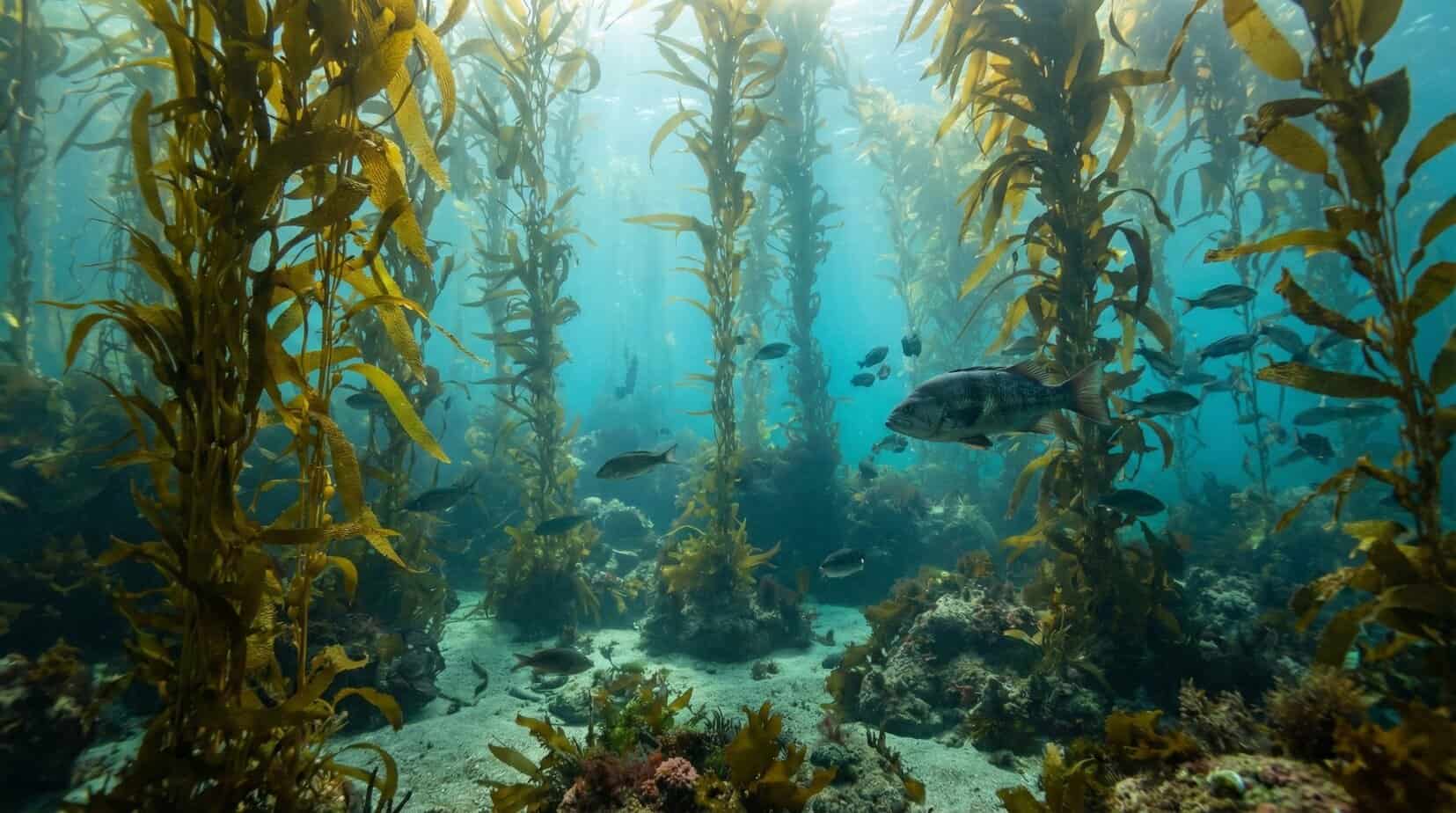
Seaweed has long been used as a dependable food source by coastal populations, and it remains one of the most overlooked yet valuable survival foods available to anyone living near or traveling along the ocean. Across Asia, Northern Europe, and parts of the Americas, seaweed is consumed regularly because it provides a dense concentration of nutrients that support the human body during periods of limited food availability.
Modern research confirms that many edible seaweeds contain important vitamins such as A, C, E, and K, along with iodine, calcium, magnesium, and dietary fiber, making them particularly useful in survival and emergency preparedness situations. Scientific reviews published by the National Institutes of Health, including this comprehensive analysis, document the nutritional value and bioactive compounds found in commonly consumed seaweed species.
For preppers, foragers, and survival-minded individuals, learning about edible seaweeds means gaining access to a renewable food source that does not require planting, fertilizing, or long-term maintenance. Seaweeds can be eaten fresh when conditions allow, but they can also be dried and stored for extended periods, which makes them especially practical during evacuations, supply disruptions, or long-term coastal survival scenarios. Proper identification and preparation are critical, however, since not all seaweeds are suitable for consumption and some require cooking or soaking to improve digestibility.
Understanding where edible seaweeds grow, how tides affect harvesting, and which species are safest to eat provides a significant advantage in coastal environments. This guide focuses on practical knowledge that helps you recognize, harvest, and prepare seaweed safely, turning a commonly ignored shoreline resource into a reliable and nutrient-rich survival food.
Regarding the equipment needed, here are the essentials:
Harvesting edible seaweeds does not require expensive or specialized tools, but having the right basic equipment makes the process safer, more efficient, and far more sustainable. At a minimum, you need a sharp knife or scissors to cut seaweed cleanly from rocks rather than tearing it loose by hand. Cutting helps prevent damage to the holdfast, which allows the seaweed to regrow and ensures that future harvesting remains possible. A sturdy bucket, mesh bag, or cloth sack is also important for collecting and transporting seaweed while allowing excess water to drain away.
Protective gear matters more than many beginners realize. Shorelines where edible seaweeds grow are often slippery, uneven, and exposed to sharp rocks or shells. Wearing gloves protects your hands from cuts and abrasions, while sturdy footwear with good traction reduces the risk of falls in tidal zones. In colder climates, waterproof boots and weather-appropriate clothing help prevent hypothermia during longer harvesting sessions.
Another often overlooked piece of equipment is knowledge of local tide schedules. Gathering seaweed at low tide exposes more species and makes identification easier, while also reducing the danger posed by waves. The National Ocean Service provides detailed explanations of tides and coastal conditions at, which is especially useful when planning safe and effective foraging trips. Understanding tides is just as important as carrying the right tools, since rising water can quickly turn a safe location into a hazardous one.
When harvesting edible seaweeds for survival or preparedness purposes, simplicity is an advantage. Basic tools, protective gear, and environmental awareness are enough to gather food safely while minimizing risk to both yourself and the coastal ecosystem.
Seaweed categorization:
Edible seaweeds are commonly classified into three main groups based on pigmentation, which directly affects where they grow, how they absorb sunlight, and how they are typically used as food. These groups are brown seaweeds, red seaweeds, and green seaweeds, and each category includes species that have been consumed safely by humans for generations. Understanding these groupings makes identification easier and helps reduce the risk of harvesting unsuitable or unsafe varieties in the wild.
Brown seaweeds are usually the largest and most robust of the three groups. They thrive in colder waters and are often found attached to rocks along exposed coastlines. Many well-known edible seaweeds used for survival and food preparation, including kelps, fall into this category. Brown seaweeds are especially valued for their iodine content, complex carbohydrates, and ability to provide a feeling of fullness, which is important when calories are limited.
Red seaweeds tend to grow slightly deeper in the water because their pigments allow them to absorb light more efficiently. These edible seaweeds are often thinner and more delicate in structure, yet they are highly nutritious and commonly used dried or cooked. Green seaweeds are typically found in shallow water and tidal pools where sunlight is abundant. They are often easier for beginners to identify and harvest due to their bright coloration and accessible growing locations.
For a clear scientific overview of seaweed classification and pigmentation, the Encyclopaedia Britannica provides a well-documented explanation. Learning these basic categories gives foragers a strong foundation for safely identifying edible seaweeds in coastal survival situations.
Types of edible seaweeds and how to cook them:
Sea Lettuce (Ulva)
 Sea lettuce is one of the easiest edible seaweeds for beginners to identify, harvest, and prepare, which makes it especially valuable in coastal survival situations. It typically appears as bright green, thin, translucent sheets that resemble loose leaves of lettuce, often floating freely or attached to rocks in shallow tidal zones. Because sea lettuce grows close to shore and in calm waters, it can usually be gathered safely during low tide without specialized equipment.
From a nutritional standpoint, sea lettuce provides a useful mix of vitamins, minerals, and dietary fiber. Like many edible seaweeds, it contains iodine, iron, and calcium, along with antioxidants that support overall health. Its mild flavor makes it one of the most versatile seaweeds to cook with, particularly for people who are new to eating seaweed. Sea lettuce can be eaten raw when freshly harvested from clean waters, but it is more commonly cooked to improve texture and digestibility.
Preparation methods are simple and practical for survival use. Sea lettuce can be rinsed thoroughly in fresh water to remove sand and salt, then added directly to soups, stews, or broths where it softens quickly. It can also be lightly sautéed or boiled for a few minutes, which reduces bitterness and improves palatability. When dried, sea lettuce stores well and can be rehydrated later, making it a useful food for long-term preparedness.
Oarweed (Laminaria digiata)
 Oarweed is a robust brown seaweed that stands out due to its long, leathery fronds and strong attachment to submerged rocks along exposed coastlines. It is commonly found slightly below the low-tide mark, which means harvesting usually requires careful timing and awareness of changing water conditions. Among edible seaweeds, oarweed is valued for its durability and its ability to provide substantial food volume from a single plant.
Nutritionally, oarweed is rich in iodine and complex carbohydrates, which makes it particularly useful for supporting thyroid function and maintaining energy levels when food options are limited. Like other kelp species, it also contains minerals such as potassium and magnesium, along with alginates that contribute to a feeling of fullness. These properties make oarweed a practical choice for survival use, especially when calorie density and mineral intake are important considerations.
Preparing oarweed requires a bit more effort than softer seaweeds, but the results are worth it. The thick fronds should be rinsed thoroughly and then sliced into manageable strips. Cooking methods such as boiling or simmering help soften the texture and improve digestibility. Oarweed is commonly added to soups and broths, where it releases minerals into the liquid and provides a hearty, filling component. When dried, it can be stored for long periods and later rehydrated, which is a major advantage for long-term preparedness.
Learning how to harvest and prepare oarweed safely expands your ability to use edible seaweeds effectively, especially in colder coastal regions where brown seaweeds dominate the shoreline.
Lava (Porphyra umbilicalis)
 Lava is a well-known red seaweed that has been gathered and eaten for centuries, particularly in coastal regions of Europe. It grows tightly attached to rocks in the intertidal zone, often forming dark purplish or reddish sheets that can be difficult to spot when wet but become more visible as the tide recedes. Among edible seaweeds, lava is especially prized for its flavor and long history of traditional use, which makes it a trusted option for foragers who understand how to identify it correctly.
From a nutritional perspective, lava provides a good balance of protein, vitamins, and minerals when compared to many other edible seaweeds. It contains iron, iodine, and B vitamins, which are important for maintaining energy and supporting normal bodily functions in survival situations. Because it is relatively thin and delicate, lava dries quickly and can be stored with minimal effort, making it a practical food source for coastal preparedness.
Preparation is straightforward and adaptable to limited cooking conditions. Lava is rarely eaten raw and is typically dried first, then either toasted, boiled, or added to soups and stews. Cooking improves its texture and brings out a richer, savory flavor. In traditional use, it has often been ground or finely chopped before being incorporated into dishes, which also helps improve digestibility.
Knowing how to harvest lava safely and sustainably expands your understanding of edible seaweeds and adds another reliable option to your coastal survival food knowledge. Careful identification and proper preparation ensure that this red seaweed remains a safe and nutritious resource.
Dulse (Palmaria palmata)
 Dulse is one of the most widely recognized and traditionally consumed red seaweeds, particularly in colder coastal regions of the North Atlantic. It grows attached to rocks and larger seaweeds in cold, clean waters, often forming broad, reddish fronds that are easy to identify once you are familiar with their appearance. Among edible seaweeds, dulse stands out because it has been harvested historically not only as a survival food but also as a regular dietary staple in many coastal communities.
Nutritionally, dulse offers a strong combination of protein, iron, potassium, and iodine, which makes it especially useful when maintaining energy and mineral balance is critical. Unlike many other edible seaweeds, dulse has a naturally savory flavor that some people compare to bacon when it is dried or lightly cooked. This makes it easier to eat on its own without extensive preparation, which can be an advantage in survival or emergency situations.
Dulse can be eaten raw after proper rinsing, but it is more commonly dried for storage and later use. Drying improves its shelf life and concentrates its flavor, while also making it lighter and easier to transport. When rehydrated, dulse can be added to soups, stews, or simple boiled meals. It can also be pan-cooked briefly to create a crisp texture that requires very little fuel or equipment.
Sea Spaghetti (Himanthalia elongata)
 Sea spaghetti is a distinctive brown seaweed known for its long, narrow, ribbon-like fronds that closely resemble strands of pasta. It typically grows attached to rocks in the lower intertidal and shallow subtidal zones, where it can be harvested during low tide with careful attention to footing and wave conditions. Among edible seaweeds, sea spaghetti is appreciated for both its recognizable shape and its mild flavor, which makes it approachable for people who are new to eating seaweed.
From a nutritional standpoint, sea spaghetti provides dietary fiber, iodine, and a range of trace minerals that support normal bodily function. Like many edible seaweeds, it is low in fat and calories while still contributing valuable nutrients that can help sustain energy levels when food options are limited. Its firm texture allows it to hold up well during cooking, which makes it particularly useful in simple survival meals.
Preparation is straightforward and does not require advanced cooking skills. Sea spaghetti is usually rinsed thoroughly, then boiled or steamed until tender. Once cooked, it can be eaten on its own or added to soups and stews as a filling component. Drying sea spaghetti for storage is also common, and the dried strands can be rehydrated later with minimal effort and water. This combination of ease of identification, preparation, and storage makes sea spaghetti a reliable choice for coastal foraging.
Sugar Kelp (Laminaria saccharina)
 Sugar kelp is a large brown seaweed that grows in cold, nutrient-rich waters, often forming long, flat blades that attach firmly to rocky substrates below the low-tide line. It earns its common name from the natural sugars that develop on its surface when dried, giving it a mild sweetness that sets it apart from many other edible seaweeds. Because of its size and abundance, sugar kelp can provide a substantial amount of food from a single harvest, which makes it especially valuable in coastal survival and preparedness scenarios.
Nutritionally, sugar kelp is rich in iodine, calcium, magnesium, and complex carbohydrates that help support metabolism and sustained energy. Like other kelp species, it also contains alginates that contribute to satiety, which can be important when managing limited food supplies. These characteristics make sugar kelp one of the more practical edible seaweeds for long-term use, provided it is harvested responsibly and prepared correctly.
Preparation typically involves rinsing the kelp thoroughly to remove salt, sand, and small marine organisms, followed by slicing the blade into strips. Sugar kelp is commonly boiled or simmered, which softens its texture and enhances its natural flavor. It is frequently used in broths and soups, where it releases minerals into the liquid while also serving as a filling food component. Drying sugar kelp for storage is highly effective, and the dried pieces can be rehydrated later with minimal fuel and water.
A piece of advice
When it comes to gathering edible seaweeds, caution and proper knowledge matter just as much as enthusiasm. While many seaweeds are safe and nutritious, misidentification or poor harvesting practices can lead to health risks or environmental damage. Before consuming any seaweed, you should be confident in its identification, understand where it grows, and know whether it requires cooking, soaking, or drying before it is safe to eat. Relying on guesswork in a survival situation can lead to unnecessary illness or injury.
Water quality is another critical consideration. Edible seaweeds absorb substances from their surrounding environment, which means harvesting near polluted shorelines, harbors, or industrial runoff areas can expose you to harmful contaminants. Choosing clean, open coastal areas and avoiding locations near sewage outlets or heavy boat traffic reduces this risk significantly. Even safe species should always be rinsed thoroughly in clean water before preparation.
Moderation is also important, especially with seaweeds that are high in iodine. Consuming large amounts over a short period can cause thyroid-related issues, particularly for individuals who are not accustomed to eating seaweed regularly. In survival situations, edible seaweeds should be treated as a supplement to a broader food strategy rather than a single exclusive food source.
The most reliable advice is to practice identification and preparation skills before you ever need to rely on them. Familiarity gained during calm conditions builds confidence and reduces mistakes when circumstances are more demanding. With proper knowledge, edible seaweeds can be a safe, renewable, and valuable addition to your coastal survival food options.
Frequently Asked Questions About Edible Seaweeds
1. Are all seaweeds safe to eat?
No, not all seaweeds are safe for human consumption. While many edible seaweeds have been eaten for centuries, some species are either indigestible or may cause illness if eaten raw or in large quantities. Proper identification is essential, and you should only consume seaweeds that are well-documented as edible. Learning to recognize common edible species before relying on them for food is an important part of safe coastal foraging.
2. Can edible seaweeds be eaten raw?
Some edible seaweeds can be eaten raw if they are harvested from clean water and rinsed thoroughly, but many are better cooked. Cooking improves texture, flavor, and digestibility, and it can reduce compounds that may cause stomach discomfort. In survival situations, boiling or simmering seaweed is often the safest and most reliable preparation method.
3. Where is the best place to harvest edible seaweeds?
Edible seaweeds are best harvested from clean, unpolluted coastal areas away from harbors, sewage outlets, and industrial runoff. Rocky shorelines and tidal pools are common growing areas, especially during low tide. Water quality matters because seaweed absorbs substances from its environment, including pollutants.
4. How should edible seaweeds be cleaned before eating?
After harvesting, edible seaweeds should be rinsed thoroughly in clean water to remove sand, salt, and small marine organisms. In some cases, soaking the seaweed briefly can help loosen debris. Proper cleaning reduces the risk of contamination and improves taste and texture.
5. Can edible seaweeds be stored for long periods?
Yes, many edible seaweeds store very well when dried. Drying reduces moisture and prevents spoilage, making seaweed lightweight and easy to transport. Properly dried seaweed can be stored for months or even longer if kept dry and protected from moisture.
6. Is it safe to eat large amounts of seaweed?
Edible seaweeds should be eaten in moderation, especially for people who are not accustomed to them. Many seaweeds are high in iodine, and consuming excessive amounts over a short period can affect thyroid function. In survival situations, seaweed works best as part of a balanced food strategy rather than as the sole food source.
7. Do edible seaweeds provide enough nutrition for survival?
Edible seaweeds provide valuable vitamins, minerals, and fiber, but they are generally low in calories and fat. They are best used as a nutritional supplement alongside other food sources such as fish, shellfish, or stored provisions. Their greatest value lies in their mineral content and availability rather than high calorie density.
Author Bio
Bob Rodgers is a lifelong outdoorsman, herbalist, and seasoned prepper with over 20 years of real-world survival experience. As the founder of PreppersWill.com, he shares practical advice on self-reliance, off-grid living, and disaster preparedness, no hype, just hard-earned lessons from decades of hands-on prepping.
Last updated on: January 31, 2026
Self-sufficiency and Preparedness solutions recommended for you:
Shoreline Survival Tips – Staying Alive Near The Sea
How To Become Self-sufficient When Working With Limited Space
Sea Level Rise And The Impact On Those Living On The Coastline
Everything is very open with a clear clarification of the issues. It was really informative. Your site is very useful. Many thanks for sharing!