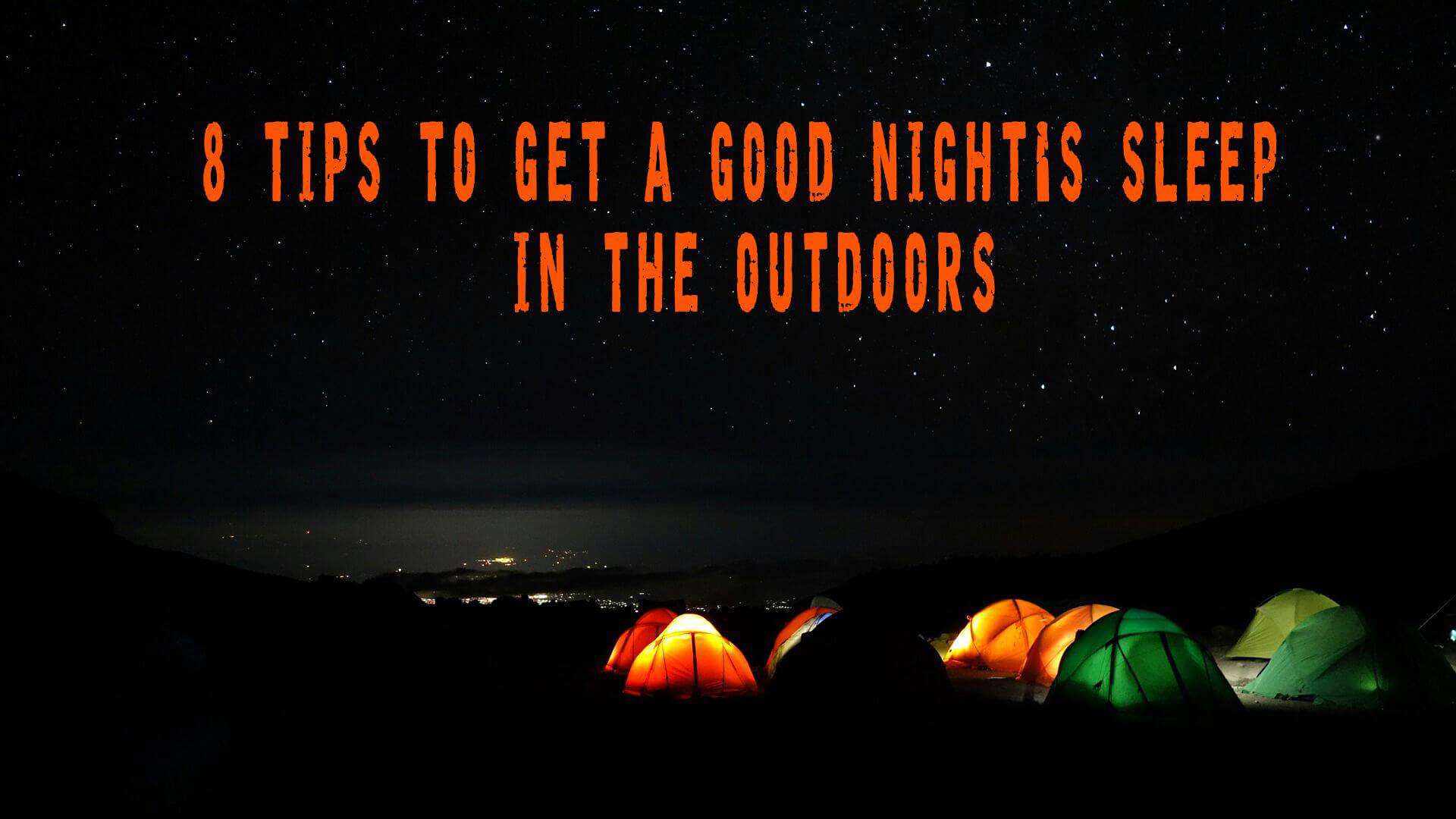
For many of us, getting back to nature remains one of the few true escapes from modern chaos. But while the forest may soothe your mind, it can also test your body, especially when it comes to getting proper rest under the stars. If you’ve ever tossed and turned on uneven ground, shivered through a chilly night, or woken up drenched in condensation, these sleeping outdoors tips will change your experience completely.
A good night’s rest is essential for both comfort and safety. Fatigue leads to poor decisions, slower reactions, and even exposure risks in colder environments. Learning how to sleep comfortably outside isn’t just about luxury, it’s survival sense. Whether you’re backpacking through the Rockies or setting up a weekend base camp, using the right gear and preparation techniques can make the difference between waking up refreshed or regretting your trip.
In this guide, you’ll find practical, field-tested methods used by seasoned campers and survivalists alike. From choosing the right bag and sleeping pad to understanding body temperature regulation, every detail matters. Follow these sleeping outdoors tips to rest better, recover faster, and stay alert, no matter where your tent stakes are planted.
For high-quality warmth and insulation in all weather conditions, consider the Teton Sports Celsius XXL Sleeping Bag, a top-rated, cold-weather favorite among preppers.
According to the CDC, staying warm and dry overnight is critical to preventing hypothermia, even in mild temperatures. These guidelines align closely with what seasoned outdoorsmen know firsthand: a well-planned night’s sleep is the foundation of outdoor survival.
Sleeping Outdoor Tips For Your Next Camping Trip
1. Get Your Sleeping Bag Sorted
Your sleeping bag is the heart of your sleep system and the first step in mastering these sleeping outdoors tips. When temperatures drop and fatigue sets in, a properly chosen sleeping bag can make the difference between comfort and misery. Always select a bag rated for at least 10°F colder than you expect. Temperature ratings are optimistic; manufacturers test them under ideal lab conditions, not the unpredictable realities of wind chill, ground moisture, and fatigue.
If you camp in varying climates, consider owning two bags: a lightweight summer option and a heavier, down-insulated one for late fall and winter. Make sure the bag fits snugly but not tightly since dead air space warms up faster and retains heat better. Compressible down bags provide excellent warmth-to-weight ratios, while synthetic insulation maintains loft even when damp, a key factor in humid or rainy conditions.
Pro tip: store your sleeping bag loosely in a breathable sack when not in use. Compressing it long-term can damage insulation fibers, reducing warmth retention.
For an all-around durable choice, the Kelty Cosmic 20 Down Sleeping Bag is a reliable favorite among campers and preppers alike. It offers great thermal efficiency and compressibility without breaking the bank.
2. Use Your Sleeping Bag Wisely
Even the best sleeping bag won’t perform well if it’s wet or neglected, so one of the most vital sleeping outdoors tips is to treat your bag like life-support equipment. Moisture is your enemy; it compromises insulation, reduces loft, and can even freeze inside the material in colder climates. Always air your bag out in the morning by turning it inside out and hanging it in sunlight. This removes body vapor and condensation that build up overnight.
If rain threatens, keep your sleeping bag in a waterproof compression sack while hiking, and never set it directly on the ground. A thin moisture barrier, even a simple emergency blanket, between the bag and the tent floor can make a major difference. When you’re turning in for the night, make sure you close all zippers fully and pull drawstrings tight around your shoulders to trap warmth efficiently.
Another pro move: use a sleeping bag liner to reduce dirt and sweat buildup. It’s far easier to wash a liner than an entire bag, and it adds an extra 5–10°F of warmth on cold nights.
A great companion for this setup is the Sea to Summit Reactor Thermal Liner, which significantly boosts insulation and keeps your primary bag fresh longer.
For additional technical advice on moisture control and insulation preservation, see this guide from the Appalachian Mountain Club.
3. Bring Padding for Better Sleep
When it comes to comfort and warmth, nothing ruins a night faster than direct contact with the cold ground. One of the most overlooked sleeping outdoors tips is adding proper insulation underneath you, because sleeping bags alone aren’t designed to block ground chill. The earth acts as a massive heat sink, draining warmth from your body all night long.
A quality sleeping pad or inflatable mattress makes all the difference. Closed-cell foam pads are lightweight and durable, while inflatable models like the Therm-a-Rest NeoAir Xlite Sleeping Pad provide excellent insulation without adding bulk. In freezing conditions, double up by layering a foam pad beneath an air mattress for superior heat retention.
For campers in rough terrain, padding also prevents sore backs and hips, ensuring better blood circulation while you sleep. As noted by the USDA Forest Service, maintaining insulation from the ground is just as critical as staying dry from above.
If you’re preparing for long-term off-grid living or survival scenarios, think of ground padding as essential gear, not a luxury. It reduces fatigue, conserves body heat, and turns an otherwise miserable night into restorative sleep, the kind you need to stay sharp in the wild.
4. Prepare for a Soaking Outdoors
When you’re outside, getting wet isn’t a matter of if, it’s a matter of when. Among the most important sleeping outdoors tips you’ll ever learn is to prepare for moisture before it becomes a problem. Even on clear nights, heavy dew and condensation can seep through your tent walls or saturate your gear from below, leaving you chilled by dawn.
The solution starts with barriers. A lightweight bivy sack or tarp shelter can make the difference between staying dry or waking up soaked. For instance, the Outdoor Research Helium Bivy is an ultralight, waterproof layer that shields your sleeping bag from dew, wind, and splash-back without adding bulk. Position your shelter slightly downhill from your tent’s entrance so runoff flows away, not underneath.
Condensation often comes from your own breath and body heat. Ventilate your tent slightly, even in cold weather, to reduce moisture accumulation. According to this REI Coop guide, proper airflow is the single best defense against condensation inside tents.
Don’t forget the ground, either: use a durable footprint or emergency blanket beneath your tent floor to create a waterproof barrier. These layers keep both you and your insulation dry, dramatically improving warmth retention throughout the night.
5. Dress for Bed Outdoors
One of the most effective sleeping outdoors tips for staying warm is also one of the simplest, dress for bed the right way. Many campers mistakenly crawl into their sleeping bags wearing the same clothes they hiked in all day, trapping moisture, sweat, and odor. This dampness quickly pulls heat from your skin, making you feel clammy and cold within hours.
Always change into a clean, dry set of base layers before sleeping. Synthetic or merino wool fabrics are ideal because they wick away moisture and retain warmth even if slightly damp. Cotton, on the other hand, should be avoided, it absorbs water and dries slowly. For colder climates, consider layering thermal leggings and a light fleece top, along with a wool beanie to retain head heat.
The Iguana Merino Wool Base Layer Set is a prepper favorite for this reason, lightweight, odor-resistant, and perfect for multi-day trips. According to research compiled by PUB Med, body heat loss during sleep increases dramatically when clothing becomes damp. Changing before bed not only prevents chills but also extends your sleeping bag’s life by reducing internal moisture buildup.
Small adjustments like these can dramatically improve comfort, warmth, and rest, vital elements of resilience in any off-grid or survival scenario.
6. Get Into Your Bag Warm
Here’s one of the most overlooked sleeping outdoors tips: your sleeping bag doesn’t make heat, you do. The bag’s job is simply to trap the warmth your body produces. So if you crawl in cold, you’ll likely stay cold all night. Instead, take a few minutes to do light exercise before bed, gentle jumping jacks, squats, or even brisk walking around camp can help raise your core temperature before you settle in.
Once warm, immediately slip into your bag and seal it up to retain that heat. Wearing a hat and dry socks adds an extra layer of insulation, especially on frigid nights. For added warmth, you can fill a small, durable bottle like the Nalgene Wide Mouth 32oz Water Bottle with hot water and place it near your feet inside the bag. It’ll radiate heat for hours and can double as a warm drink vessel in the morning.
Be cautious, though because overheating or sweating can backfire. As noted by Britannica, evaporative cooling from sweat is one of the fastest ways to lose body heat. The key is gentle warmth, not exertion. By getting into your bag already warm and dry, you maximize the bag’s thermal efficiency and ensure deeper, more restorative rest, something every prepper and outdoorsman depends on after a long, cold day.
7. Late-Night Snacking and Sleeping Outdoors
Contrary to what diet gurus might say, one of the smartest sleeping outdoors tips is to eat a small snack before bed. When you’re camping or surviving off-grid, your body burns calories constantly, not just from movement, but from staying warm. A modest dose of fat and protein before sleep provides slow, steady energy that helps regulate core temperature through the night.
Good options include peanut butter on crackers, trail mix, or even a few bites of jerky. A compact, high-calorie bar like the Clif Builder’s Protein Bar is a reliable go-to for late-night fuel. It’s lightweight, shelf-stable, and delivers the right mix of carbs, fats, and protein to keep your metabolism active while you rest.
Avoid sugary or alcohol-based snacks, which cause a quick spike and crash in energy. Keep in mind that maintaining stable blood glucose levels overnight helps preserve body warmth and improves sleep quality outdoors. If you tend to wake up chilled, try eating a warm, calorie-dense meal right before crawling into your bag, even something simple like instant oats or dehydrated soup. You’ll fall asleep faster and stay warmer longer, both of which can be lifesaving in cold or unpredictable weather.
8. Drink Wisely Outdoors
Hydration plays a huge role in outdoor comfort and safety, but one of the most practical sleeping outdoors tips is knowing when to drink. Staying hydrated during the day is essential for circulation, body temperature control, and energy levels, but overdoing it before bed can turn your restful night into a series of cold bathroom breaks.
Try to front-load your hydration: sip steadily throughout the day, especially during physical activity, and taper off as sunset approaches. Before bedtime, take just enough water to quench thirst without overfilling your bladder. A reusable hydration bottle helps you monitor intake and keeps your water insulated, whether you’re camping in the desert or the mountains.
It’s also important to avoid alcohol or excessive caffeine at night. Both interfere with thermoregulation and increase nighttime wake-ups. The CDC warns that dehydration and electrolyte loss can occur quickly in hot conditions, while overhydration without salt intake can cause cramps or nausea. Balance is key, sip often, add electrolytes when sweating heavily, and stop drinking large amounts an hour before sleep. By mastering this balance, you’ll reduce interruptions, sleep warmer, and wake up better rested, the perfect finish to a day in the wild.
Final Thoughts on Sleeping Outdoors Tips
After a long day of hiking, working your camp, or surviving in the wild, sleep isn’t just rest, it’s recovery. Applying these sleeping outdoors tips can dramatically improve how your body performs and how your mind responds in challenging environments. Whether you’re prepping for a bug-out scenario, testing your gear, or just camping for the weekend, the goal is the same: stay warm, stay dry, and wake up ready for what comes next.
Success outdoors is built on small systems that work together, the right gear, smart preparation, and situational awareness. It’s no different with sleep. A dry bag, proper clothing, smart hydration, and a touch of pre-sleep movement all combine to keep you comfortable and alert when it matters most.
If you’re serious about improving your sleep setup, investing in reliable equipment pays dividends. For instance, the Klymit Insulated Static V Sleeping Pad offers outstanding insulation and comfort for cold-weather camping, making it one of the most efficient additions to your sleep system.
As always, test your setup before relying on it in the field. Every environment, from humid forests to arid plateaus, will challenge your gear differently. With preparation and practice, these sleeping outdoors tips become second nature, turning long nights into valuable rest that fuels your readiness and resilience as a prepper.
Author Bio:
Bob Rodgers is a lifelong outdoorsman, herbalist, and seasoned prepper with over 20 years of real-world survival experience. As the founder of PreppersWill.com, he shares practical advice on self-reliance, off-grid living, and disaster preparedness, no hype, just hard-earned lessons from decades of hands-on prepping.
Last Updated: October 22, 2025
Other Useful Resources:
Find Out What’s the Closest Nuclear Bunker to Your Home
I like to use a light weight sleeping bag liner that I can take out and dry. This keeps the bag cleaner and helps keep the sleeping bag dry too. This also can help you sleep warmer. If your sleeping bag is not keeping you warm enough zip your jacket around the foot end of the sleeping bag and always use a knit cap for sleeping. A really good self inflating mat really helps you sleep warmer and better.