When a winter storm takes down a power line or a grid failure leaves a whole neighborhood dark, most families do the sensible thing and start looking for another way to stay warm and fed. The trouble is that many of the quickest fixes, such as running a generator in the garage, lighting a charcoal grill on the porch, or turning on the gas oven for heat, quietly create a serious risk of carbon monoxide poisoning inside the very rooms where people are trying to stay safe.
Carbon monoxide has no color, no smell, and no taste, so nothing warns you while it builds up around sleeping children, elderly relatives, and pets. Public health agencies repeat the same message every cold season because the same preventable tragedies keep happening, usually during the first cold nights after a blackout when people are tired, worried, and improvising. This article walks through why winter emergencies raise the danger, which improvised heating and cooking habits are the most hazardous, and which safer options actually work when the lights go out. You will also find practical guidance on alarms, ventilation myths, and what to do if someone in your home starts feeling sick.
Along the way I reference guidance from the CDC, the Consumer Product Safety Commission, the EPA, the NFPA, and the Red Cross, and I point to a few products that make a blackout far less risky. Read it before the next storm rather than during it, because preparation is the only moment when the fix is cheap and calm.
Why Blackouts Turn Winter Homes Into Carbon Monoxide Traps
Winter outages tend to arrive when conditions are at their worst. Temperatures drop, roads become unreliable, and utility crews may need hours or days to restore power, which leaves households with a stack of urgent needs that normally depend on electricity. The American Red Cross points out that an extended outage can affect lighting, heating, cooking, refrigeration, communication, and medical equipment all at once, and that is exactly the situation in which people start reaching for whatever burns fuel.
Even homes with gas furnaces often lose heat because the blower, thermostat, and ignition rely on electric power, so a family that has never thought about alternative heating suddenly finds itself in a cold house with a generator, a barbecue grill, or a camping stove sitting in the garage.
Cold weather also changes behavior in ways that raise the risk of carbon monoxide poisoning. Doors and windows stay shut, towels get stuffed under drafty frames, and everyone gathers in one small room where a single fuel burning device can fill the air faster than anyone expects. Stress and fatigue make matters worse, because people who have been awake for hours dealing with a storm are more likely to doze off near a heater or ignore a mild headache. Add the fact that outages often last through the night, when everyone is asleep and unable to notice early symptoms, and you can see why the first cold night of a blackout is so dangerous. Understanding that pattern is the first step toward breaking it, because most of these incidents follow the same predictable script and can be avoided with a few decisions made well in advance.
The Real Risk of Carbon Monoxide Poisoning When the Grid Goes Down
The numbers behind the risk of carbon monoxide poisoning during emergencies deserve more attention than they usually get. Federal health agencies report that hundreds of people in the United States die every year from accidental exposure that is unrelated to fires, and that more than 100,000 emergency room visits are linked to non-fire carbon monoxide. Storms and outages push those figures upward, since each major event sends thousands of households toward generators, charcoal, and gas appliances they would never use indoors on an ordinary day. During the deep freeze that hit Texas in February 2021, for example, hospitals in Houston reported a jump in patients poisoned by generators and grills within a single day, along with a rise in burns caused by space heaters.
The Centers for Disease Control and Prevention keeps its public advice simple and repeats it before every storm season. Gas powered generators and other engine driven equipment belong outdoors, at least 20 feet away from doors, windows, and vents, and every home should have a battery-operated carbon monoxide detector. That guidance looks almost too basic to matter, yet many incidents involve people doing something that felt reasonable at the time, such as placing a generator just inside a garage door or cracking a window while a heater ran. The underlying problem is that people judge danger by what they can sense, and carbon monoxide gives them nothing to sense, so the real risk of carbon monoxide poisoning stays hidden until someone is already impaired.
How Carbon Monoxide Actually Harms the Body
Knowing what carbon monoxide does inside the body makes the warnings easier to take seriously. When you breathe the gas, it enters the bloodstream through the lungs and attaches to hemoglobin, the protein that carries oxygen, and it does so far more readily than oxygen itself. The EPA explains that this forms carboxyhemoglobin, which reduces the amount of oxygen your blood can deliver to the brain and heart. At lower concentrations a healthy adult may only notice fatigue, while a person with heart disease can experience chest pain. At higher concentrations the symptoms expand to include headaches, dizziness, confusion, nausea, and impaired vision or coordination, and very high concentrations can be fatal.
Because those symptoms resemble the flu, many people dismiss them or blame them on stress and cold weather during an emergency. A telling clue is that the symptoms often fade after leaving the building and return when you go back inside, and another is that several people or pets in the same space feel unwell at once without any fever. Infants, older adults, pregnant women, and anyone with heart or breathing conditions face a higher risk of carbon monoxide poisoning, and sleeping people can slip from drowsiness into unconsciousness without ever realizing that anything is wrong. For that reason, the safest approach is to treat unexplained headaches and nausea in a home using improvised heat as a warning sign until proven otherwise, and to act on them immediately rather than waiting to see whether they pass.
Portable Generators and the Garage Door Myth
Portable generators account for a large share of the deaths that follow winter storms, and the Consumer Product Safety Commission is blunt about the reason. A single gasoline generator can produce as much carbon monoxide as hundreds of cars, and the gas can incapacitate a person within minutes. The agency’s guidance says to use a generator outside only, well away from windows, doors, and vents, and never inside a home, garage, basement, crawlspace, or shed.
The most stubborn myth is the idea that an open garage door makes things safe. Deadly concentrations can build up even with the door raised, and the gas can drift through shared walls, ductwork, and gaps around pipes into living areas, where it lingers for hours after the engine stops. Fans and open windows do not solve the problem either, which is why both the commission and the Red Cross warn against relying on them. Distance matters, so the usual recommendation of at least 20 feet from the house applies, and the exhaust should point away from neighboring buildings as well.
Many newer models include a carbon monoxide shutoff feature that turns the engine off when levels climb nearby, and CPSC encourages shoppers to look for it, although it works best as a backup to proper placement and working alarms. Never try to power household wiring by plugging a generator into a wall outlet, because backfeeding endangers utility workers and neighbors, and always keep fuel in approved containers. Treating a generator like a vehicle you would never run in the living room captures the whole idea and keeps the risk of carbon monoxide poisoning outdoors, far from sleeping quarters.
Why Grills, Camp Stoves, and Gas Ovens Never Belong Indoors
Charcoal grills, camp stoves, and gas ovens appear in nearly every post-storm warning because they tempt people with a simple promise of instant heat or a hot meal. Each of them burns fuel, and none of them was designed to vent exhaust from a closed room. Charcoal is particularly treacherous, since smoldering briquettes keep producing carbon monoxide long after the flames die down, and a grill brought inside to warm a room can poison a household while it appears to have gone out. Camp stoves and outdoor propane burners are built for open air, so the Red Cross advises against using them indoors for heating or cooking, and it also says not to heat a home with a gas stove.
The oven deserves a special mention because it feels like part of the house. Running it with the door open as a heater seems harmless, yet the National Fire Protection Association lists it among the habits to avoid and states plainly that an oven or stove should never be used to heat a home. Gas burners that run for hours without proper ventilation can send carbon monoxide into the room, and a burner or oven left on also adds a fire hazard, especially when people fall asleep.
If you must cook during an outage, choose methods that do not burn fuel indoors, or prepare food outdoors at a safe distance from the building so the risk of carbon monoxide poisoning stays outside the house. Cold food, a thermos of hot water prepared before the outage, and shelf stable meals handle most situations for a day or two without any flame at all.
Propane and Kerosene Heaters: Reading the Fine Print
Portable fuel burning heaters occupy a gray area that confuses a lot of people. The EPA lists unvented kerosene and gas space heaters among the common indoor sources of carbon monoxide and notes that incomplete combustion in unvented heaters can produce high concentrations in indoor air.
Kerosene heaters in particular are poorly suited to sealed winter rooms. Some propane radiant heaters are marketed as indoor safe and include features such as a tip over switch and an oxygen depletion sensor that shuts the unit off when the room becomes oxygen poor. Those safeguards are useful, but the heater still burns fuel in the same air you are breathing, so it does not erase the risk of carbon monoxide poisoning, and the oxygen sensor inside the unit does not measure carbon monoxide itself.
If you decide to keep a propane heater for emergencies, read the manual for its ventilation requirements and room size limits, and buy a model that is explicitly rated for indoor use. One example is the Mr. Heater Buddy Flex, which is sold as an indoor safe radiant heater, although you should confirm the specific model and its ratings on the product page before buying. Use only the fuel type listed, keep the heater at least three feet from beds, curtains, and furniture, and never leave it running while you sleep or while the room is unattended. Store propane cylinders outdoors, check hoses and connections for damage, and retire any heater that has been dropped or shows rust or sooty marks. A battery-operated carbon monoxide alarm in the same room is non-negotiable, because it will warn you about a problem that the built in safety features cannot detect.
Hidden Sources: Fireplaces, Vehicles, and Attached Garages
Not every incident involves a device that someone carried indoors on purpose. Fireplaces, wood stoves, furnaces, and vehicles all become hazards when an emergency changes how they are used. The EPA identifies back drafting from furnaces, gas water heaters, wood stoves, and fireplaces as a significant source, along with flues that are blocked, disconnected, or leaking. During a winter storm, heavy snow, ice, and wind-blown debris can cover exhaust vents and chimney caps, which pushes combustion gases back into the living space. Checking that vents and flues are clear before running any fuel burning appliance is a simple habit that lowers the risk of carbon monoxide poisoning significantly.
Vehicles create another trap when people start the car in an attached garage to warm it up or to charge a phone, and the CDC advises never to run a car or truck inside a garage attached to the house, even with the door open. The gas builds up quickly and seeps into the home, and the EPA warns that levels can become deadly even when the garage door is open. If you need to warm a vehicle, pull it out of the garage immediately after starting it.
Fireplaces also need attention, because burning wood in a fireplace or stove that is not properly vented is dangerous, and the flue should be opened before lighting a fire. Having heating systems, chimneys, and vents inspected by a qualified technician every year before cold weather arrives is the cheapest insurance available, and it prevents the kind of hidden failure that a blackout tends to expose at the worst possible moment.
Lowering Your Risk of Carbon Monoxide Poisoning With Detectors That Work Without Power
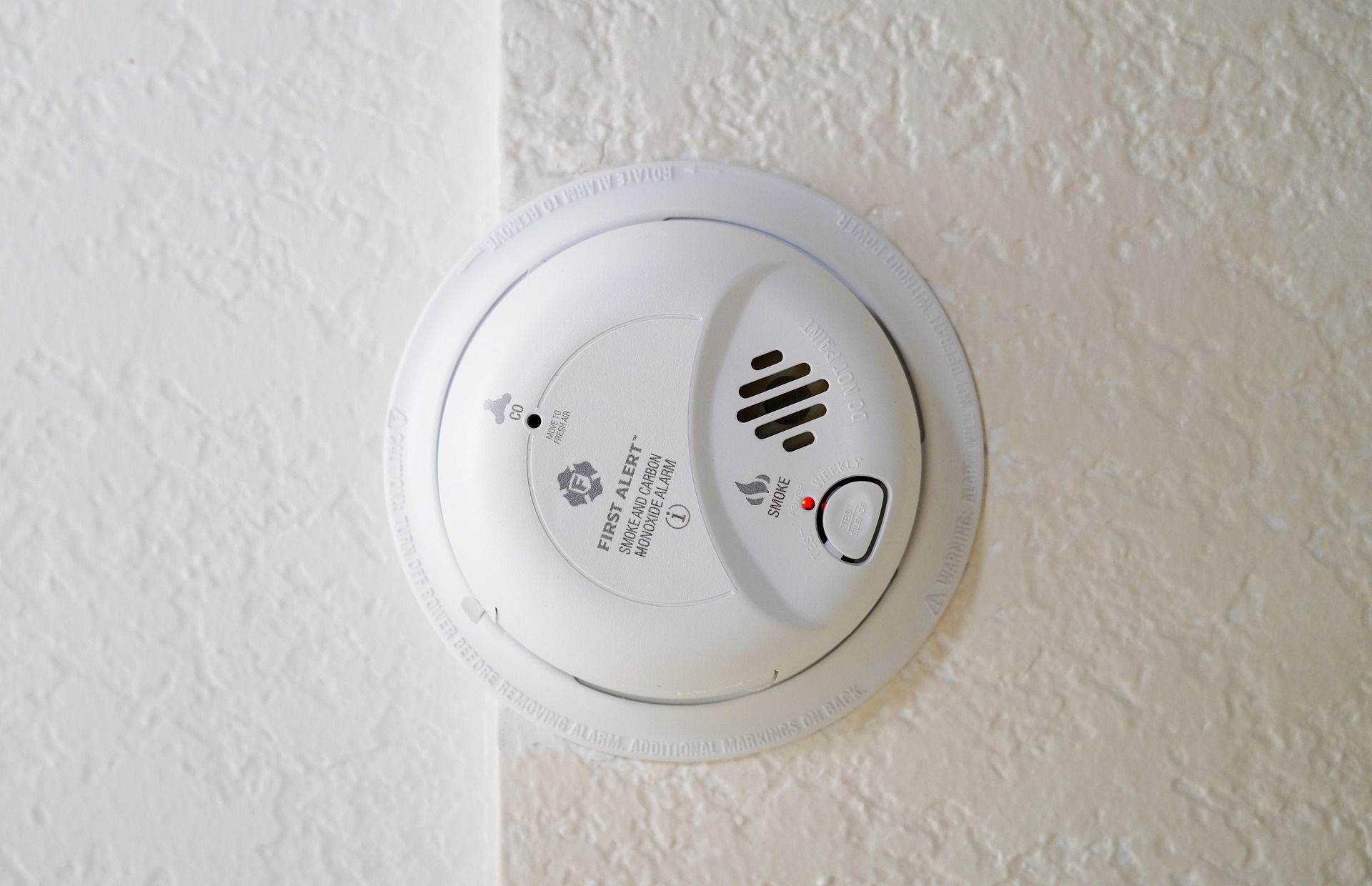
A detector is the only thing that can notice carbon monoxide for you, so the choice and placement of alarms matter as much as the choice of heater. The CDC recommends a battery operated or battery backup detector in the home, the Red Cross advises one on each level, and the NFPA suggests alarms outside each sleeping area and on every level. Plug in units without a backup battery fail precisely when you need them, because an outage silences them along with everything else.
When shopping, look for an independent laboratory listing and a unit with a replaceable battery or a battery backup, and check the end-of-life date printed on the device, since sensors wear out after several years and the unit will chirp when it expires.
A plug in alarm with battery backup, such as the Kidde model keeps working through a blackout and includes a test and hush button along with peak level memory. Test every alarm monthly, replace batteries on a schedule tied to a memorable date such as the clock change in spring and fall, and keep a spare set of batteries with your flashlights. Treat every alarm as real until proven otherwise, and if one sounds, leave the building first and investigate later. Placing at least one detector near the bedrooms is the most effective way to protect sleeping family members, and it directly lowers your risk of carbon monoxide poisoning during the hours when nobody is awake to notice symptoms.
Safer Ways to Stay Warm and Cook During an Outage
The best strategy for staying warm uses no combustion at all. Start by shrinking the space you need to heat, which means choosing a small interior room, closing doors, hanging blankets over windows, and sealing drafts with towels.
Dress in layers with hats and wool socks, use sleeping bags rated for cold weather, and share body heat with family members and pets. Insulated bottles filled with hot water make effective warmers inside a sleeping bag. If the outage drags on or the home becomes too cold, the Red Cross recommends going to a warming center, shelter, or a friend’s home that has heat, and that decision often does more to reduce the risk of carbon monoxide poisoning than any piece of equipment.
Battery power fills in the remaining gaps. A portable power station such as the Jackery Explorer 1000 v2 can run phones, lights, a CPAP machine, a small electric blanket, and a radio without producing any exhaust. Check the wattage of each device before connecting it. For hot meals, a portable induction cooktop with adjustable power levels, like the Hamilton Beach single burner, can run from a power station with enough output if you pick a setting within its limit, and it heats the pan directly without any flame.
A hand crank or solar NOAA radio, keeps weather alerts coming when cell service and home power are both unreliable. Pair that equipment with a pantry of ready to eat food and a thermos of hot water prepared at the start of the storm, and a three-day outage becomes an inconvenience rather than an emergency.
Responding Fast When the Risk of Carbon Monoxide Poisoning Becomes Real
Even careful households can find themselves facing a poisoning, so the final piece of preparation is knowing what to do when the risk of carbon monoxide poisoning turns into an actual exposure. Watch for the common symptoms, which include headache, dizziness, weakness, nausea, vomiting, chest pain, and confusion. If anyone in the home develops several of these symptoms while a generator, heater, grill, or other fuel burning appliance is in use, or if a detector alarm sounds, get everyone outside into fresh air immediately, including pets, and call 911 from outside. Do not stop to open windows, shut off equipment, or gather belongings, because those minutes can be the difference between a close call and a fatality.
Stay outside until emergency responders say the home is safe, even if you start to feel better. Medical teams typically treat suspected exposure with high flow oxygen and may test blood levels of carboxyhemoglobin, so be sure to tell them about every fuel burning device you were using. You can also reach Poison Control at 1-800-222-1222 for guidance. After the incident, have a qualified technician inspect every appliance, vent, and flue, and replace any alarm that did not sound when it should have. Share what happened with neighbors, because a house that suffered a leak often sits next to one that is using the same improvised setup. Teaching every member of the household these steps ahead of time, including older children, turns panic into a rehearsed response, and rehearsed responses tend to hold up when everyone is cold and frightened.
A last word
I am convinced that the most underrated danger in a winter blackout comes from the well-meaning decisions people make at two in the morning, when the house is freezing and a quick solution sits in the garage. Carbon monoxide wins in those moments because it stays invisible while everything else feels urgent.
The good news is that the fix costs very little compared with the stakes. A couple of battery powered alarms, a firm plan that keeps every generator and grill outdoors, a stash of blankets and ready to eat food, and a battery power station for the essentials will cover most households. I would also check the alarms on the same weekend we change the clocks, and I would talk to elderly neighbors about their plans before the first storm arrives.
If you take only one thing from this article, let it be the habit of treating every flame and engine as an outdoor tool during an emergency. That single rule removes the biggest share of the risk of carbon monoxide poisoning, and it gives your family the best chance of waking up warm, safe, and well.
Suggested resources for prepper and survivalists:
How To Stay Warm During Emergencies
The latest innovation in solar pannels – 3D technology
Crucial Preps For Winter Car Survival
How to build a self-sufficient survival sanctuary
