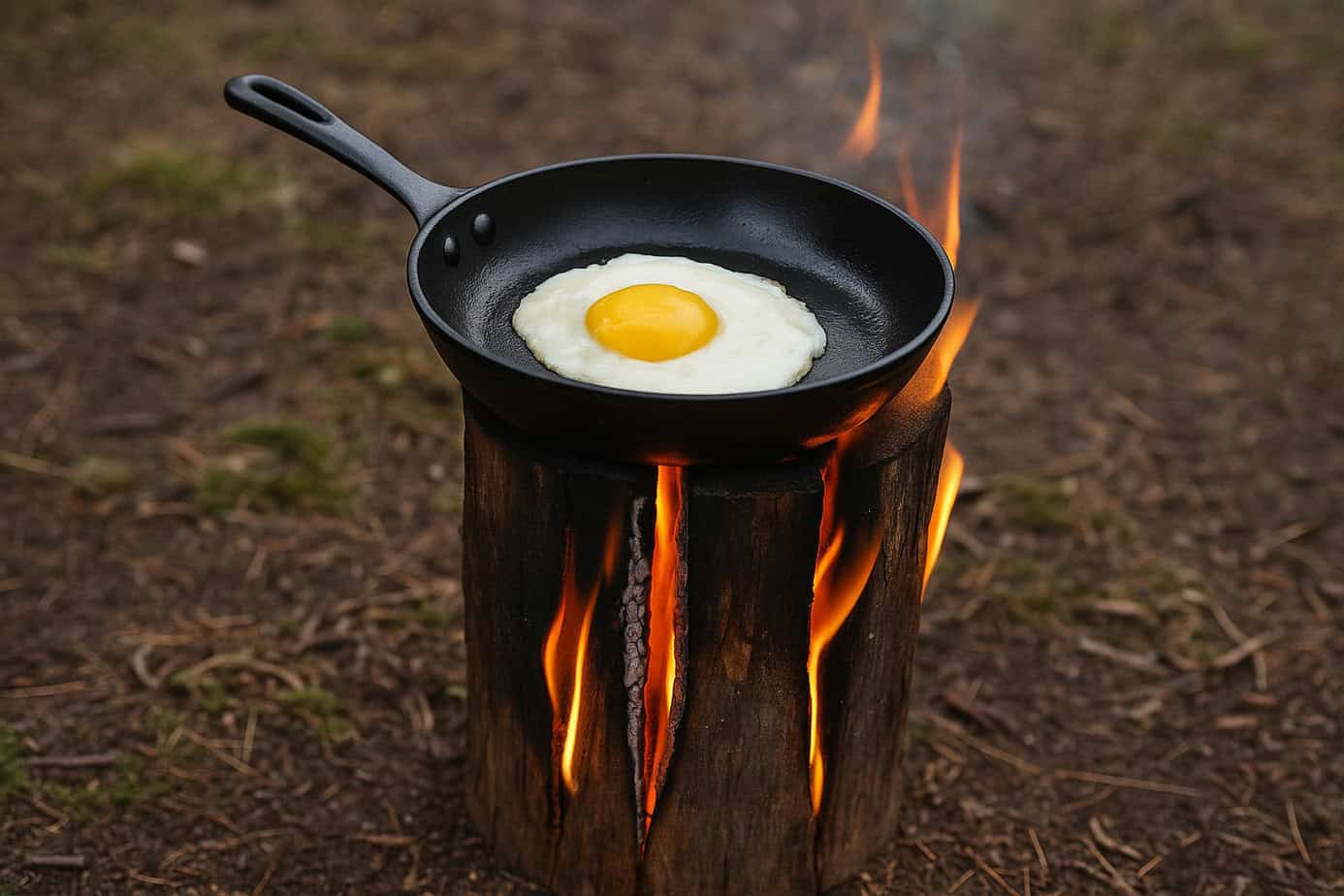
When disaster strikes, whether during wartime, a grid-down event, or a major natural disaster, the ability to prepare food becomes a test of adaptability and ingenuity. Survival improvised cooking is not just a skill from the past, it’s a vital art that allows you to make nourishing meals even when modern conveniences fail. Our ancestors relied on primitive methods such as clay ovens, hot ashes, and wooden slabs to keep their families fed when fuel and power were scarce.
Every prepper should have a dependable camping stove reserved specifically for emergency use. A two-burner stove, like the Coleman Classic Propane 2-Burner Camping Stove is ideal when operating from a fixed location or when vehicle mobility allows you to transport heavier gear. Propane stoves are simple to ignite and maintain, but they come with drawbacks, fuel costs can add up, and high-pressure steel canisters are both heavy and difficult to source during extended crises.
Survival Improvised Cooking: How Proper Food Preparation Keeps You Safe
If you’re sheltering in place at a survival retreat or bug-out location, nothing outperforms the classic combination of cast iron cookware: a skillet, a covered kettle, and especially a Ledge Dutch oven. These tools are built to handle open-fire and hot-coal cooking with ease. For the fire itself, the keyhole-style campfire remains a time-tested design. Construct a circular fire ring of rocks with a rectangular extension. Burn your main fire in the circular section, then rake or shovel hot coals into the rectangular area for controlled cooking.
Place a grill or griddle over this rectangular zone (using bricks instead of rocks for added stability). This surface works perfectly for a Dutch oven, allowing you to bake, roast, or fry as needed. A metal tripod, or one made from sturdy green branches, can also be suspended over the circular section to hang a kettle for boiling water or direct cooking.
For maximum versatility, a Dutch oven and grill combination can be configured for simultaneous baking and frying. Dig a shallow hole roughly 9-12 inches wide and 3-4 inches deep. Place charcoal or coals inside, set a grill across the opening, and put your pan with the food on top. Cover it with an inverted Dutch oven, then layer coals on what is now the “top.” The inverted lid can even double as a griddle for frying when placed on tripod legs, a clever, space-saving arrangement that old pioneers would have recognized.
Another indispensable tool for both base camp and field cooking is a folding pack grill. This lightweight, compact accessory can serve many purposes: broiling meats directly, holding a skillet or pot above the coals, steaming vegetables, or acting as a makeshift oven using aluminum pans as reflectors. It also doubles as a clean stand for Dutch oven lids, ideal when checking or stirring food, and even functions as a serving surface away from the fire to prevent burns or spills.
When reheating pre-cooked meals, cleanup can be simplified by immersing sealed food containers (such as cans, MRE pouches, or vacuum-sealed bags) in boiling water. Be sure to pierce the container just above the waterline to prevent bursting. This method minimizes odors, which is especially valuable in tactical situations where revealing your position could be dangerous. For official guidance on food handling and sanitation during disasters, review the FEMA guide on food and water safety.
For mobility, a single-burner butane or multifuel backpacking stove is a smart choice, capable of serving two or three people efficiently. Modern butane cartridges, often filled with iso-butane, perform well down to about 20°F, but a multifuel model offers greater flexibility for refueling in prolonged emergencies. Store it in a spare GI canteen cover so it can be conveniently attached to your rucksack.
However, when you’re forced to travel light, without vehicles or pack animals to carry heavy cast-iron cookware, or if you become separated from your primary gear, you can still rely on nature. The following sections explore how to cook with natural materials using primitive and field-tested methods that have sustained humans for centuries.

Improvised Survival Cooking Methods:
Clay Ovens for Survival Improvised Cooking
Clay ovens remain one of humanity’s oldest and most effective methods for preparing food when conventional tools are unavailable. In a true survival improvised cooking scenario, where fuel, power, or modern appliances can’t be relied upon, a clay oven offers a sustainable, low-tech solution for baking and roasting that’s stood the test of centuries.
To build one, locate a source of natural clay soil, often found near stream beds or low-lying ground. Mix the clay with straw or dry grass to increase strength, then shape it into a dome over a base of flat stones. Once the structure dries, light a small fire inside to harden the clay. This forms a durable shell capable of storing heat for hours, perfect for baking bread, slow-cooking stews, or roasting game meat evenly without direct flames.
For those planning long-term preparedness, pairing your clay oven with high-quality cast-iron cookware will make a significant difference. The Lodge 5-Quart Cast Iron Dutch Oven withstands extreme heat and delivers consistent cooking results, whether used inside the oven or directly on coals. To monitor temperature and achieve precise baking, a rugged oven thermometer is a valuable addition to your off-grid kitchen kit. It helps you control baking temperatures without relying on guesswork, a huge advantage in primitive cooking setups.
Historically, clay ovens were essential to early civilizations for their reliability and fuel efficiency. They use far less wood than open fires while maintaining even heat distribution. For step-by-step traditional clay oven construction methods, refer to the Texas Historical Commission clay oven guide.
Baking in Clay: Primitive Survival Improvised Cooking
Among the oldest and most effective survival improvised cooking techniques is baking food directly inside clay. Used by indigenous peoples and early settlers alike, this method seals in natural juices and flavor while keeping food free from dirt and ash, even when cooked in an open fire pit.
To begin, shape a thick coating of wet clay around your meat, fish, or poultry, ensuring there are no cracks where steam could escape. Place the clay-wrapped food directly into glowing coals or bury it slightly beneath them. As the clay hardens, it forms a natural oven that evenly distributes heat and retains moisture. When the shell cracks open, it peels away cleanly, often taking feathers or scales with it, leaving tender, perfectly cooked meat inside.
While this primitive method is surprisingly safe, handling hot clay and embers requires care. Wearing heat-resistant gloves, such as the Grill Heat Aid Extreme Gloves, helps protect your hands when rotating or cracking open the baked clay. This small addition to your off-grid cooking kit makes the process safer and more efficient.
Interestingly, research on outdoor fire cooking methods from the Colorado State University confirms that indirect clay cooking retains more moisture and flavor compared to open-fire roasting, proving our ancestors truly understood thermal efficiency long before modern ovens existed.
Cooking in Natural Containers Off the Grid
 When you’re cut off from modern cookware, survival improvised cooking means learning to rely on the environment itself. In fact, nature provides a surprising number of materials that can safely contain food over heat, if you know how to use them.
Green leaves, such as cabbage, corn husks, or banana leaves, work exceptionally well as natural wrappers for steaming or roasting. Their internal moisture keeps food from burning while trapping heat and flavor inside. You can wrap fish, small cuts of meat, or root vegetables in layers of leaves and nestle them beneath a bed of coals for slow, even cooking.
Another overlooked method involves crafting vessels from tree bark or hollowed wood. Birch bark can be shaped into a temporary pan for warming soups or teas, while softwoods like pine can be carved into bowls for heating water with dropped-in fire stones. This low-tech ingenuity has sustained countless foragers and soldiers through history.
When preparing natural materials for use, having a strong and versatile multitool saves time and effort. A compact multitool such as the Leatherman Sidekick lets you strip bark cleanly, shape wooden bowls, and trim cooking leaves efficiently, all without bulky gear.
These primitive techniques remind us that effective off-grid cooking isn’t just about equipment, it’s about adaptability. The right mindset and a few dependable tools can turn raw nature into a functioning kitchen when survival depends on it.
Baking on a Stick in a Survival Setting
Few techniques in survival improvised cooking are as simple or satisfying as baking on a stick. This age-old method requires almost no equipment and allows you to cook a surprising variety of foods, from fresh bread dough to strips of meat or fish, directly over the fire. It’s the ultimate minimalist approach for when resources are scarce but hunger is high.
To begin, select a green, non-toxic branch (willow, hazel, or maple work well) about as thick as your thumb. The green wood prevents the stick from burning while cooking. Wrap your dough or skewer your meat evenly along its length and hold it over hot coals, not direct flames. Rotate slowly to ensure even heat and avoid scorching the surface. Within minutes, the dough puffs up into campfire bread, while thin strips of meat cook to a smoky, flavorful finish.
Adding a bit of modern gear can make this primitive method far more reliable. A telescoping stainless-steel roasting stick, like the Jolly Green Ekogrips Campfire Roasting Sticks, provides control and safety when working over open flames. Their adjustable length and heat-resistant handles prevent burns while maintaining the traditional stick-cooking experience.
Historically, soldiers and pioneers used this technique for both convenience and stealth, no pans, minimal smoke, and quick results. Baking on a stick remains one of the most energy-efficient ways to cook while conserving fuel in long-term survival situations.
Cooking in Ashes Without Power
 When fuel is scarce and cookware limited, cooking in ashes becomes one of the most efficient and reliable survival improvised cooking methods. This ancient approach requires no pots or pans, just a steady fire, glowing coals, and patience. By harnessing the residual heat stored in the ashes, you can prepare nutritious meals while conserving valuable firewood.
Once your campfire burns down to a bed of hot ashes (no open flames), place root vegetables, unpeeled potatoes, or even whole eggs directly beneath the surface. Cover them lightly with ash and allow them to bake slowly. The insulation of the ashes ensures gentle, even cooking, while the natural moisture of the food prevents it from drying out. After 20-40 minutes, simply brush off the ash and enjoy perfectly cooked food with a subtle smoky flavor.
When cooking this way, precision matters. A reliable campfire shovel, such as the RHINO USA Military Folding Shovel, helps you manage coals safely and control ash depth for consistent heat. Its compact design also makes it ideal for bug-out bags or vehicle kits.
Interestingly, traditional ash-baking techniques are still used in modern disaster response training. According to the Ready.gov guide on emergency food preparation, methods like ash and ember cooking are effective ways to maintain food safety when electricity and gas are unavailable, proving that old-school methods remain relevant today.
Cooking on Wood Slabs for Emergency Survival Improvised Cooking
When pots and pans aren’t an option, survival improvised cooking often means turning nature into your cookware, and few techniques showcase this better than cooking on wood slabs. This old frontier method uses a piece of green, sap-filled wood as both a cooking surface and a flavor enhancer, delivering clean, even heat distribution with no metal required.
To try this, select a slab of freshly cut hardwood, maple, oak, or hickory are excellent choices since they resist burning and impart a subtle, smoky flavor. Place the slab beside hot coals (not directly over the flames), and lay your food on top. Fish fillets, bacon, or thin slices of game meat cook beautifully this way. The moisture in the green wood prevents scorching while adding aroma and taste to the meal.
Rotating or repositioning the slab occasionally helps control heat exposure. A lightweight campfire grill stand, such as Texsport Heavy-Duty Campfire Grill, can elevate the wood slab slightly above coals, extending its lifespan and keeping food free of ash.
Historically, trappers and soldiers relied on this method for its simplicity and minimal smoke, making it a stealthy choice during wartime or in remote survival retreats. Combined with techniques like ash cooking or clay baking, wood slab cooking offers a dependable way to prepare balanced meals when fuel and gear are limited.
Broiling on a Stick: Off-Grid Cooking Technique.
In primitive or emergency conditions, few methods are as fast and practical as broiling on a stick, a classic of survival improvised cooking that turns nearly any open flame into an instant grill. This centuries-old technique is ideal for small cuts of meat, fish, or wild game that cook best over direct heat and open air.
To begin, choose a green, sturdy branch about two feet long, whittled to a point on one end. Skewer your meat securely and hold it just above the flames, not directly in them. Rotating the stick constantly prevents charring and ensures even cooking. The goal is to brown the outside gradually while allowing the inside to cook through with retained juices.
For better control and safety, especially during extended off-grid cooking, a folding campfire tool such as the RoverTac Multi-Purpose Camping Tool helps manage coals, adjust sticks, and handle cooked food without burns. Its all-in-one design makes it perfect for field kitchens and bug-out kits alike.
Modern studies on heat distribution during open-fire cooking, like those from the University of Alaska Fairbanks Cooperative Extension, highlight how small adjustments in distance and rotation can make open-flame cooking safer and more efficient, exactly what this simple broiling technique achieves when practiced properly.
Whether preparing a quick meal on the move or training for long-term off-grid living, broiling on a stick remains one of the most versatile and energy-efficient ways to cook with minimal gear.
Steaming in a Hole: Primitive Survival Method
 Of all survival improvised cooking methods, steaming in a hole is one of the most effective for cooking large quantities of food with minimal fuel. This ancient technique, used by indigenous peoples worldwide, turns the ground itself into a slow-cooking oven that preserves flavor, moisture, and nutrients, all without modern tools.
To begin, dig a hole about two to three feet deep and line the bottom with flat stones. Build a strong fire inside and allow it to burn for an hour or more until the stones are red-hot. Once heated, remove the embers, layer the bottom with green vegetation or large leaves, and place your wrapped food (in leaves or natural fiber pouches) on top. Cover with another layer of hot stones, seal with soil, and let it cook undisturbed for several hours.
This underground steaming method uses retained radiant heat and trapped moisture to cook food evenly, ideal for root vegetables, whole fish, or game meat. The results are remarkably tender and flavorful. For easier setup and safety, a collapsible camping shovel is invaluable for digging and handling hot coals efficiently.
Historical records and modern tests, including guidance from the National Park Service’s outdoor cooking resources, confirm that pit steaming is one of the most fuel-efficient traditional cooking systems, combining primitive ingenuity with lasting practicality. By mastering this method, preppers can prepare entire meals silently and efficiently, a vital advantage when conserving resources or avoiding detection in survival situations.
Grilling in Emergency Situations
When electricity and gas are gone, grilling becomes one of the fastest and most adaptable survival improvised cooking methods. With minimal effort, you can transform a campfire into a functioning grill capable of cooking almost any food, from fresh-caught fish to canned goods.
Start by laying two sturdy rocks or green branches across your fire pit to form a frame. Then, place a layer of parallel sticks (preferably green to prevent burning) across the top to make a makeshift grill. This setup allows heat to rise evenly, searing your food while keeping it clear of direct flames. Rotate your food frequently to prevent charring and ensure even cooking.
If you have a bug-out bag or base camp setup, carrying a lightweight, folding stainless-steel grill grate like the Coghlan’s Folding Camp Grill will significantly enhance your cooking efficiency. It’s reusable, compact, and fits perfectly over small fire pits or coals, saving you time gathering materials.
Grilling also has hygienic advantages. According to the FDA in its Food and Water Emergencies guide, high-heat cooking methods like grilling help destroy harmful bacteria and parasites, making it one of the safest techniques to use when refrigeration and sanitation options are limited.
In survival conditions, mastering the art of makeshift grilling ensures you can prepare balanced, protein-rich meals without waste, all while using the most basic natural materials.
Conclusion
Mastering survival improvised cooking is about more than just preparing food, it’s about reclaiming the essential skills that kept our ancestors alive when convenience didn’t exist. Whether you’re baking in clay, grilling over coals, or steaming in the earth itself, each method teaches adaptability, patience, and respect for nature’s resources.
If you invest your time in learning and practicing these primitive techniques before an emergency occurs, you’ll be ready to cook safely, efficiently, and confidently, no matter what disaster or power failure comes your way.
FAQ: Survival Improvised Cooking
1. What are the best methods for cooking when electricity and gas fail?
When power and gas lines go down, the best survival improvised cooking methods rely on open flames and natural materials. Proven techniques include clay ovens, ash cooking, grilling over coals, and baking in earthen pits. These methods require minimal equipment and make efficient use of firewood while maintaining even heat. For portability, a camp stove or folding grill can also provide fast, controlled cooking.
2. How can I make sure my food stays safe when using primitive cooking methods?
Food safety is critical in survival scenarios. Always cook meat thoroughly until juices run clear, and avoid cross-contamination by using clean tools and surfaces. According to the CDC’s emergency food guidelines, heating food to safe internal temperatures destroys bacteria and parasites. When using natural methods like ash or clay cooking, make sure food is wrapped in non-toxic leaves or covered fully to prevent dirt or ash contact.
3. What gear should I keep for survival improvised cooking?
A minimalist off-grid cooking kit should include a Dutch oven, campfire grill, multitool, heat-resistant gloves, and a compact stove for quick use. These essentials support nearly every primitive method, from roasting and boiling to baking underground. Add a small stock of iso-butane or multifuel cartridges for portable burners to ensure reliable heat during long emergencies.
4. How can I cook food using only natural materials and minimal gear?
If you’re caught without cookware, use the environment to your advantage. You can bake in clay, steam food in a ground pit, or cook on green wood slabs. Large banana or cabbage leaves make great natural wrappers that trap moisture and flavor. Even smooth stones from a river can serve as cooking surfaces when heated gradually over a campfire, proof that wilderness cooking doesn’t always need metal tools.
5. What safety considerations should I follow when cooking in emergency situations?
Fire management and sanitation are top priorities. Clear flammable debris around your fire area, and keep water or sand nearby for emergencies. Always monitor your fire and extinguish embers completely before leaving camp. From a hygiene standpoint, wash hands with purified water before handling food, and avoid cooking indoors unless ventilation is adequate. These simple habits prevent burns, contamination, and accidental fires during survival improvised cooking.
Author Bio
Bob Rodgers is a lifelong outdoorsman, herbalist, and seasoned prepper with over 20 years of real-world survival experience. As the founder of PreppersWill.com, he shares practical advice on self-reliance, off-grid living, and disaster preparedness, no hype, just hard-earned lessons from decades of hands-on prepping.
Last updated on: October 30, 2025
Useful resources to check out:
The Lesser Known Survival Foods that built America
Civil War-Era Foods You Can Still Make And Enjoy Today