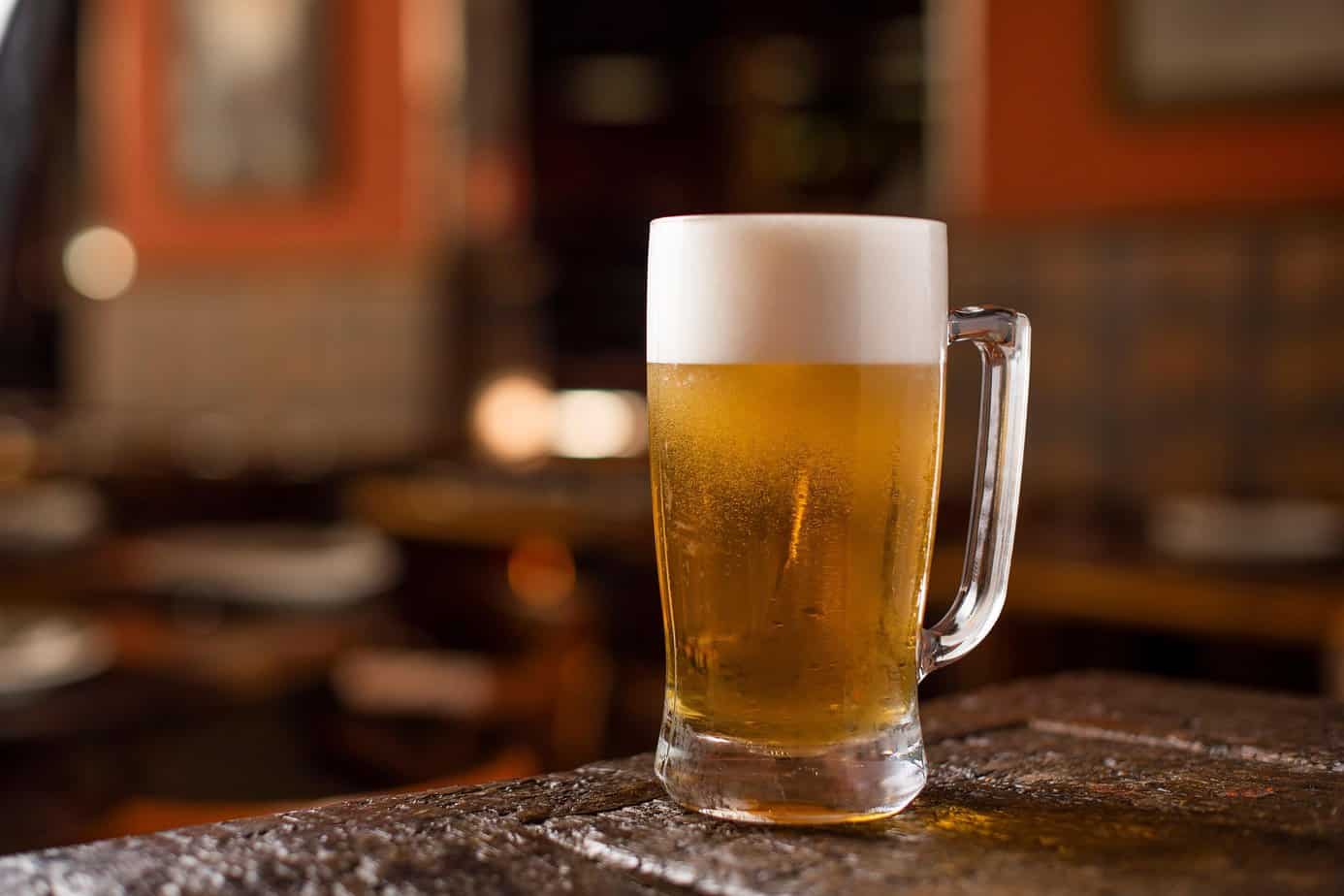
Long before beer became something you cracked open after a long week, it was a survival tool as essential as a good rifle or a cast-iron pot. Out on the fringes of early America, water could kill you faster than a cold snap, and pioneers knew it.
Wells went foul, streams carried every sickness you can name, and dysentery was waiting around every bend. So, families brewed what they called Frontier Beer, a simple, fast, low-alcohol drink that kept people hydrated, fed, and alive.
When Beer Was Survival Gear
Most folks today picture heavy pints and hoppy IPAs. Frontier families didn’t have that luxury. Beer back then wasn’t made for entertainment. It was made because it kept your stomach calm, delivered a few calories, and stayed safer than the water you pulled from the creek behind the cabin. Kids drank it. Soldiers brewed it in muddy camps. Homesteaders stirred it over smoky fires. Entire towns treated brewing like weekly chores just to keep the household supply from running dry.
And the ingredients were whatever the land gave them. Spruce tips in spring, persimmons in fall, sassafras when it was still legal to use, dandelions, birch sap, wild grapes, corn mash… If it had sugar and didn’t taste like poison, someone, somewhere, tried fermenting it.
The best part? They did all of it without electricity, without stainless steel tanks, without temperature control, and without store-bought yeast. Just fire, crocks, instinct, and a stubborn will to survive.
That’s the heart of this skill: once you understand how pioneers brewed with nothing but grit and wild ingredients, you realize you’re only a few simple steps away from making your own Frontier Beer in a true grid-down scenario.
What Frontier Beer Actually Was
If you want to understand how to make frontier beer at home, you first need a clear picture of what this drink actually was on the American frontier. Folks today think of beer as something heavy, hoppy, and crafted for taste. But Frontier Beer looked nothing like that. It was closer to a lightly fermented brew, part nutrition, part hydration and part survival insurance. The more you study it, the easier it becomes to see why learning how to make frontier beer at home, still matters for grid-down living.
Frontier families weren’t chasing flavor notes or bragging rights. Their beer usually sat around two to three percent alcohol, just enough to keep microbes at bay while still being gentle enough for daily drinking. Modern people raise an eyebrow when they hear that children drank it, but pioneers didn’t bat an eye. Weak beer was safer than untreated water, safer than snowmelt, and safer than half the “clean” wells out on the homestead. It gave the body minerals, calories, and steady hydration without the sickness raw water often carried.
Most batches fermented fast. Pioneers didn’t let beer sit for weeks in temperature-controlled rooms. Instead, they brewed small batches constantly. A crock on Monday, another by Thursday, another by Sunday. It was a cycle of survival, not a hobby. Each batch tasted a little different depending on the season, the ingredients at hand, and the wild yeast floating in the air.
And that’s the heart of Frontier Beer: a rough, practical drink born from necessity. No polished recipes and no fancy equipment. Just boiling, sweetening, fermenting, and drinking before it spoiled. When you grasp how simple and vital it was, the idea of brewing your own Frontier Beer becomes less of a project and more of a survival skill waiting in your back pocket.
When & Where Frontier Beer Was Brewed In America
Frontier beer wasn’t tied to one place or one culture. It spread across early America like campfire smoke, shaped by whoever happened to settle the land. Every region brewed something slightly different, because ingredients changed, climates changed, and traditions collided in ways that still echo in rural brewing today. When you understand that diversity, it becomes easier to see why people were so skilled in knowing how to make frontier beer at home long before we had electricity or store shelves.
In the Appalachians, Scotch-Irish families carried over habits from the Old Country. They brewed quick, low-alcohol beer with corn, molasses, and whatever wild plants were in season. Mountain communities leaned heavily on spruce, birch, and sassafras because grain wasn’t always easy to spare. Brewing became a weekly kitchen ritual, no different from hauling wood or salting pork, and those rhythms are a big reason modern preppers still look for any knowledge tied to how to make frontier beer at home for long-term off-grid resilience.
Colonial homesteads on the East Coast took a different approach. English settlers brought their farmhouse ale traditions, using barley when they could grow it and molasses when they couldn’t. Town taverns brewed constantly, serving beer to travelers, laborers, and families. Even George Washington had small beer recipes at Mount Vernon, proving how normal household brewing was in a world where raw water wasn’t always trustworthy.
During the Civil War, soldiers in both Union and Confederate camps brewed makeshift beer from cornmeal, pine needles, sorghum, and whatever else they scrounged between battles. It wasn’t good, but it kept guts calm when drinking straight water was a gamble.
Move west and the story shifts again as homesteaders pushing toward the plains and into the Rockies made beer out of wild grapes, chokecherries, and berries that grew along creek beds. With fewer supplies and long stretches between trading posts, settlers relied almost entirely on whatever sugars nature dropped at their feet.
Meanwhile, Native American fermentation practices played a quiet but important role. Tribes in various regions made drinks from corn, berries, and tree saps long before Europeans arrived. When immigrant traditions collided with Indigenous knowledge, a uniquely American brewing culture emerged.
German, Scandinavian, and English immigrants added their own touch, often improving techniques and stabilizing recipes, but the backbone remained the same: resourcefulness, improvisation, and survival. This blending of cultures is exactly why frontier brewing feels so natural for modern off-grid preppers, it belongs to everyone who knows the land and works with what it gives.
Wild Ingredients Pioneers Used (And What They Actually Taste Like)
If you really want to understand how to make frontier beer at home using the land the way pioneers did, you have to look at the wild ingredients they relied on. Store-bought hops and barley weren’t always available. Sometimes they weren’t available at all. So, families learned to brew with whatever plants grew around their cabins, along their trails, or in the meadows they crossed during the seasons. Those same plants are still out there today, which is why learning how to make frontier beer at home is as much about knowing your environment as it is about knowing your gear.
Spruce tips were one of the biggest staples. Bright green and soft in early spring, they add a citrusy, almost lemon-lime snap with a resin finish that tastes surprisingly clean. They also provided vitamin C, which made them valuable in long winters when people were fighting off scurvy-level deficiencies.
Safety note: Never confuse spruce with yew. Yew needles and berries are poisonous. Spruce tips smell sharp and pleasant when crushed.
Sassafras root was another old favorite, giving beer a warm, root-beer-like profile with spicy undertones. But modern science has flagged safrole in raw sassafras as potentially carcinogenic in high doses. Occasional adult use is a personal choice, but it should never be given to children, and you should always treat it with caution.
Dandelion flowers were a springtime lifesaver. The petals give a subtle golden flavor and a gentle bitterness almost like mild tea. They were everywhere, easy to harvest, and safely recognizable.
Birch sap and birch bark added wintergreen notes and natural sweetness. Tapped at the end of winter, birch sap ferments beautifully and makes a mild, refreshing brew.
Juniper berries were used by settlers, hunters, and Scandinavian immigrants for their sharp, piney aroma and natural antiseptic traits.
Safety warning: Only use true juniper berries, the ripe bluish ones. Red ornamental “cedar” berries are overly harsh and can be mildly toxic.
Persimmons were a fall treasure. After the first frost, they turn sweet, mellow, and almost custard-like. Frontier families used them as sugar bombs for fermentation.
Sumac, specifically the fuzzy red clusters, never the white poisonous kind, makes a tangy lemonade-like beer base that ferments well in late summer.
Wild grapes, chokecherries, and other berries rounded out the frontier options. They added tannins, natural yeast, and enough sugar to get a good ferment going when grain was scarce. Corn mash also stepped in when nothing else was available, giving beer body and calories without relying on hops or barley.
These ingredients weren’t gourmet. They were practical, abundant, and reliable. And they still offer a full pantry for any prepper willing to gather them.
How To Make Frontier Beer At Home (The Survival Method)
If you want a real working knowledge of how to make frontier beer at home the way pioneers brewed it, you have to think like they did. They didn’t worry about precision or equipment. They worried about survival. They needed drinkable liquid that wouldn’t make them sick, that didn’t rely on supply chains, and that could be made with fire, patience, and a few basic ingredients. The beauty of this method is that any off-grid prepper can still use it today, and learning how to make frontier beer at home gives you a reliable fallback drink no matter what’s happening with the grid.
A Simple Frontier-Style Recipe (No Electricity Required)
Ingredients:
- 1 gallon clean water
- 2 to 3 handfuls of spruce tips, dandelion petals, birch twigs, or any safe wild aromatic
- 1 to 1.5 cups molasses, honey, or crushed ripe fruit
- A spoonful of commercial yeast OR a handful of wild yeast starter
This recipe mimics the same fast, practical brewing method families used in the backwoods, cabins, and wagon camps. They didn’t aim for perfection, but rather for survival.
Boiling Over Fire
Heat the water in a cast-iron pot or metal kettle over coals, a wood stove, or even a makeshift fire pit. Add your plant ingredients and let them simmer for twenty to thirty minutes. That boil was the frontier’s most dependable safety measure. It killed the parasites, bacteria, and whatever else might have been lurking in the water source. Pioneers seldom measured anything; they brewed by smell, taste, and instinct. That mindset still works off-grid.
Sweetening the Brew
Once the pot cools to warm, not hot, add your molasses, honey, or mashed fruit. The sugar is what feeds the yeast. The amount you add determines whether the drink ends up at one percent alcohol, three percent, or occasionally a little higher. Most frontier batches remained weak because sugar was a precious commodity.
Fermentation Without Electricity
Pour the warm liquid into a crock, clay pot, jug, or clean food-grade bucket. Add your yeast or wild starter. Cover the top loosely with cloth, leather, or a wooden lid. As long as the fermentation vessel is kept warm enough to avoid freezing and cool enough to prevent spoilage, the yeast will get to work. Frontier fermentation usually lasted three to six days because families didn’t wait for full maturity, they needed drinkable liquid fast.
Bottling the Old-School Way
Pioneers reused everything: stone jugs, corked bottles, stoppered jars, even ceramic vessels. You can do the same. If you want natural carbonation, add a teaspoon of sugar per bottle before sealing it. Store your bottles somewhere cool, cellars, shaded sheds, or pit storage work fine. Drink it young, just like they did.
This isn’t modern craft brewing with temperature control and stainless steel. This is survival brewing: simple, adaptable, and meant to keep you hydrated when nothing else is guaranteed.
How Pioneers Fermented Without Store Yeast
If you’re serious about learning how to make frontier beer at home the way early Americans did it, you need to understand one core truth: pioneers almost never used commercial yeast. They relied on whatever yeast nature handed them, whether it came from fruit skins, tree bark, grains, or the air itself. Knowing these methods gives you the same independence they had, and it proves why anyone studying how to make frontier beer at home should master at least two or three yeast sources that don’t depend on a functioning store.
Fruit Skins
Fruit has always carried natural yeast on its surface. Wild grapes, persimmons, blueberries, raspberries, chokecherries and pretty much anything with a bloom on its skin is covered in yeast. Pioneers took advantage of that by tossing a handful of unwashed fruit into warm sweetened water. Within a day or two you’d see bubbles forming as the yeast woke up and started working.
Safety note: If the fruit shows mold, it’s a loss. Mold does not become safe during fermentation.
Pine Bark Yeast
It sounds odd, but pine bark can host useful yeast strains. Settlers peeled thin, clean strips from healthy trees, rinsed off dirt, and added them to the cooling wort. Pine bark tends to start fermentation slowly, but it works reliably.
Warning: Never use bark that smells sour, looks blackened, or comes from a dying tree.
Flour Starters
Flour-and-water starters were frontier staples. They acted the same way sourdough starters do today. Pioneers mixed equal parts flour and warm water, set the mixture out uncovered for a few hours, and let airborne yeast settle into it. Over a day or two the mixture would bubble and sour slightly, becoming usable for brewing or baking. It’s slow but dependable in long-term off-grid life.
Raisin Yeast Water (A Reliable Prepper Update)
Raisins are one of the most practical modern tools for wild yeast. They store forever, they’re cheap, and they carry yeast naturally. Put a handful into a jar with warm water and a spoonful of sugar, and in 24 to 48 hours you’ll get bubbles rising from the fruit. That liquid becomes your yeast starter. It’s not historically perfect, but it’s extremely reliable.
Air Exposure Risks
Open-air fermentation did work for pioneers, but it came with risks. Air doesn’t only carry yeast, it carries bacteria, mold spores, and all kinds of microscopic trouble. Frontier families dumped bad batches without hesitation. If the starter smelled like rotten meat, vinegar you didn’t intend, nail polish remover, manure, or chemicals, they threw it out. You should do the same. No batch is worth getting sick over.
Wild yeast was the backbone of frontier brewing, and it still works today. Once you master these methods, you’ll never be dependent on store-bought yeast again.
Why Frontier Beer Was Safer Than Water
If you’re trying to understand why pioneers depended so heavily on lightly fermented drinks, it helps to look at the water they lived with. Once you understand the conditions they faced, it becomes clear why learning how to make frontier beer at home mattered just as much as knowing how to keep a fire going or how to store food. Clean drinking water wasn’t a guarantee. In many places, it wasn’t even likely. That’s one of the biggest reasons modern off-grid preppers still study how to make frontier beer at home as a backup hydration method when the safety of a water source is uncertain.
Frontier families pulled water from shallow hand-dug wells, muddy streams, rain barrels full of debris, and creeks that livestock trampled through. Even “clear” water could hide cholera, dysentery, typhoid, or parasites. A single bad water source could wipe out a family or a trading post. Beer, even weak beer, changed the odds dramatically.
Boiling Did the Heavy Work
Every batch of frontier beer started with boiling. It didn’t matter if it was done over an open fire, a wood stove, or a camp kettle, heat was the first line of defense. Boiling water killed the pathogens that caused the diseases settlers feared most. Even a short boil offered more protection than drinking straight from a stream.
Low Alcohol Added Stability
Frontier beer wasn’t strong, but even a couple percent alcohol created an environment where harmful microbes struggled to grow. That light alcohol content acted as a preservative, keeping the drink safer for longer than untreated water. It wasn’t meant to intoxicate. It was meant to protect.
Acidity Tightened the Safety Net
Fermentation naturally lowers the pH of a drink. A mildly acidic liquid is hostile territory for dangerous bacteria. This combination of acidity and light alcohol made frontier beer surprisingly stable.
Lasting Longer Than Raw Water
While frontier beer didn’t stay fresh for months, it reliably lasted longer than plain water in a jug or barrel. Many families stored lightly fermented beer in their root cellars for days or weeks. Soldiers in Civil War camps depended on it for the same reason. When you needed hydration you could trust, small beer was the safer gamble.
Pioneers weren’t drinking beer for fun. They were drinking it because it kept them alive.
Alcohol As Survival Equipment
On the frontier, alcohol wasn’t a luxury or a pastime. It was a tool, one of the few dependable tools that families could make themselves. Once you understand how settlers used alcohol in their daily survival routines, you start to see why so many modern preppers learn how to make frontier beer at home as part of their off-grid readiness. Knowing how to make frontier beer at home meant families had more than a drink. They had a versatile, practical resource that pulled far more weight than its mild strength suggested.
Pain Relief When Nothing Else Was Available
Frontier medicine was limited. There were no pharmacies, no emergency rooms, and no antibiotics. Alcohol became one of the only ways to dull pain when someone broke a bone, cut themselves badly, or developed a raging fever. Even weak beer soothed the body during long days of physical labor. Stronger spirits were treasured because they took the edge off injuries in a world where pain was constant.
A Reliable Disinfectant
Whether families lived in cabins, sod houses, or tents, small injuries were an everyday occurrence. Stronger alcohol cleaned knives, needles, fishing hooks, and tools used for treating wounds. A clean blade meant survival, and settlements often relied on whatever alcohol they could produce or trade for to keep infections in check.
A Sedative on the Hardest Nights
Stress was relentless on the frontier. Storms tore apart homesteads. Illness swept through families. Predators stalked livestock. A small amount of alcohol calmed nerves and helped people sleep through the hardest nights. Even mildly fermented beer gave the body a sense of steadiness and comfort.
A Base for Tinctures and Herbal Remedies
Herbal medicine was the frontier’s primary healthcare system. Alcohol was the solvent that extracted and preserved the medicinal compounds from roots, barks, and leaves. Tinctures stored for months or years, surviving harsh winters and long treks. Without alcohol, frontier medicine would have been half as effective.
A Barter Item in Isolated Communities
Alcohol had guaranteed trade value. A jug of homemade beer or a small bottle of stronger brew could be exchanged for eggs, flour, tobacco, labor, or supplies. People trusted alcohol because it took time and skill to make, and everyone recognized its usefulness.
A Tool for Morale and Mental Survival
Isolation, harsh seasons, and constant danger wore people down. Alcohol helped families relax, socialize, and stay grounded during long winters or difficult years. Sometimes survival hinged on morale just as much as food or shelter.
Alcohol wasn’t recreation on the frontier. It was equipment, and every homestead treated it like such.
Modern Prepper Adaptations (What Actually Works Today)
Frontier brewing may be old, but it fits modern off-grid life almost perfectly. The difference is that today’s preppers can blend historical methods with modern gear to get safer, more predictable results.
This is where knowing how to make frontier beer at home becomes more than a historical curiosity. It becomes a practical skill that meshes with homestead systems, off-grid setups, and long-term resilience planning. And once you understand how to make frontier beer at home using both old and new tools, you gain a reliable hydration backup that doesn’t depend on outside supply lines.
Five-Gallon Buckets and Food-Grade Jugs
Most rural preppers already have a stack of food-grade buckets for grain, beans, and water storage. Those buckets double nicely as brewing vessels when crocks aren’t available. Glass one-gallon jugs, the same kind used for cider, vinegar, or kombucha, are perfect for small, manageable batches. You can scale up or down depending on your needs, just like the frontier families who brewed constantly in small quantities.
Airlocks: Light, Cheap, and Smart
Pioneers didn’t have the luxury of airlocks, but preppers do, and they make a noticeable difference. They prevent mold, keep insects out, and let CO₂ escape safely. Rubber stoppers and airlocks weigh almost nothing, take up no space, and offer huge benefits for long-term brewing stability, especially in humid climates.
Sugar Backups: Honey, Molasses, Dried Fruit
Preppers shouldn’t rely on refined sugar alone. Honey lasts forever. Molasses stores for years. Dried fruit like raisins, dates, figs, adds both sugar and wild yeast. With these on hand, you can brew through supply shortages just like pioneers brewed through seasonal gaps. Redundancy is survival.
Yeast Storage for Dependable Brewing
A small jar of vacuum-sealed commercial yeast is prepper gold. It stores well, takes up little space, and gives you predictable fermentation. But wild yeast methods remain essential backup skills. The smartest approach is redundancy: commercial packets for reliability, wild yeast for long-term security.
Wild Ingredient Maps and Seasonal Gathering
Frontier brewers learned their land intimately. Modern preppers can do the same, with the added edge of mapping tools. Mark your spruce stands, birch patches, sumac clusters, persimmon groves, wild grape vines, and dandelion-rich fields. Spring is for spruce, summer is for sumac, fall is for persimmons and winter is for tapping birch. Nature gives you ingredients if you track them.
Shelf Rotation and Compact Brewing Kits
A small tote with packets of yeast, brown sugar, a few airlocks, a funnel, and a clean jug is essentially a portable brewing kit. Rotate yeast and sugars yearly, keep the kit ready, and you’ll always have the ability to brew safely, even after months without power or supply access.
Modern tools don’t replace frontier methods, they reinforce them. When you blend both worlds, brewing becomes one of the most reliable off-grid skills you can carry.

The Takeaway: Frontier Beer = Skill and Skill = Independence
Once you look at the old brewing methods with clear eyes, you start to see why this knowledge mattered so much to the people who pushed across early America. Frontier brewing wasn’t a hobby. It was a survival mechanism woven into everyday life.
Families who knew how to make frontier beer at home had a built-in safety net against bad water, seasonal scarcity, and the unpredictable turns of frontier living. The same is true today for anyone preparing for long-term off-grid life. And once you fully embrace how to make frontier beer at home as part of your own skill set, you gain a piece of independence that nobody can take away.
Brewing on the frontier taught people more than just how to ferment a drink. It taught them patience, observation, and respect for the land. Every batch reflected the season, the weather, and the plants available that month.
It was knowledge passed down in kitchens, cabins, army camps, wagon trains, and tight-knit communities. And it stuck because it mattered. It kept people hydrated when clean water wasn’t guaranteed. It kept morale steady when winters dragged on. It kept families functioning when the outside world went silent.
In today’s prepping world, we talk a lot about skills: fire, shelter, canning, security, hunting, trapping, herbal medicine. Brewing belongs in that same list, even if most people overlook it. Not because it’s glamorous or impressive, but because it’s one of the few skills that blends hydration, nutrition, morale, medicine, barter value, and season-by-season awareness into one manageable practice.
When you brew this way, simple tools, wild plants, patience, and fire, you’re not just making a drink. You’re reclaiming knowledge that helped build entire communities. You’re learning something that doesn’t depend on electricity, shipping trucks, or grocery stores. You’re building capability. And capability becomes independence, every single time.
Author Bio
Bob Rodgers is a lifelong outdoorsman, herbalist, and seasoned prepper with over 20 years of real-world survival experience. As the founder of PreppersWill.com, he shares practical advice on self-reliance, off-grid living, and disaster preparedness, no hype, just hard-earned lessons from decades of hands-on prepping.
Other resources:
Amish Practices Useful To Survivalists
Survival Foods that built America
Homestead Safety: How To Keep Yourself Secure While Doing Farm Work And Avoid Accidents