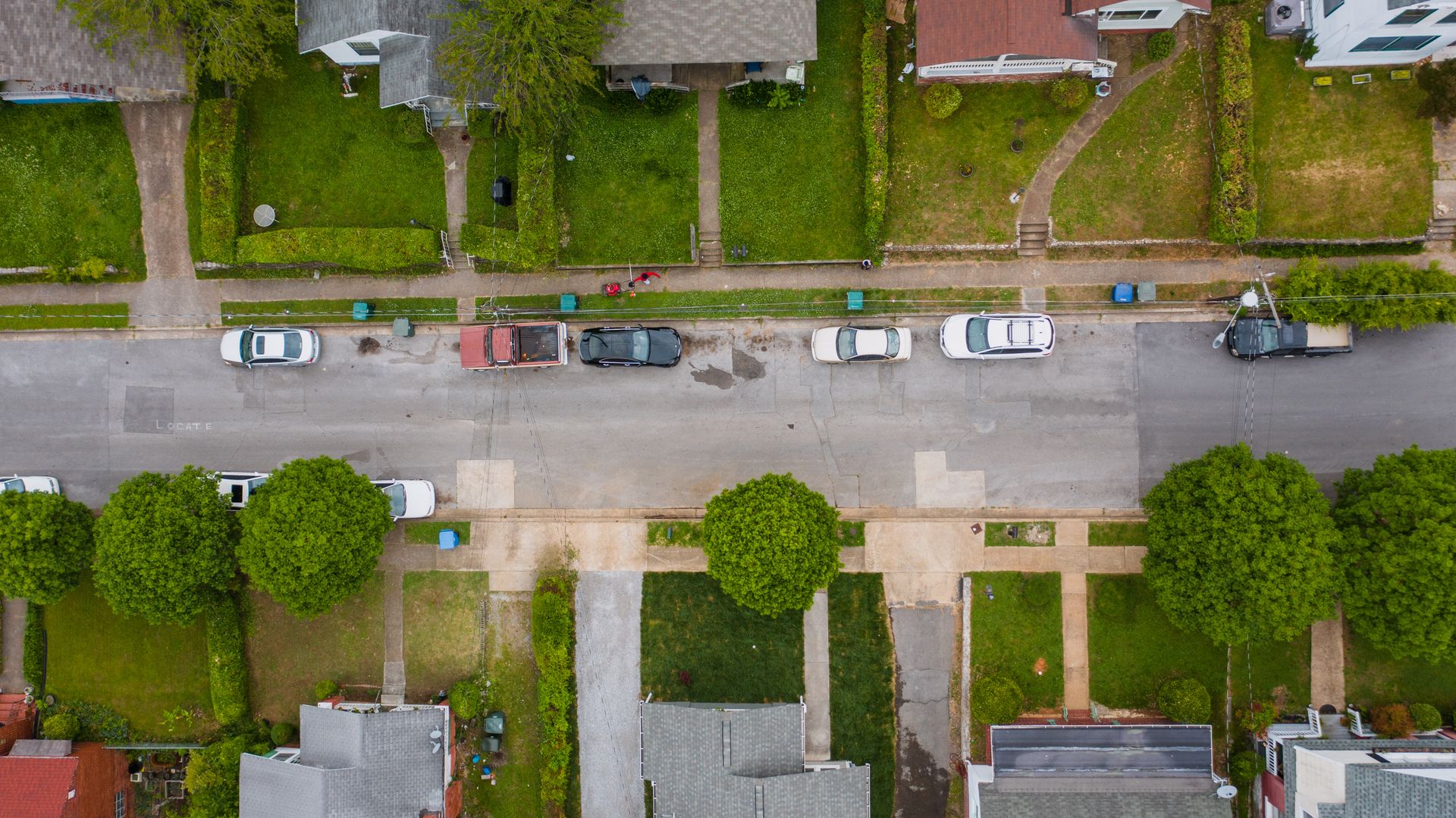
Most of us who prep spend our weekends stacking buckets of rice, rotating water barrels, and arguing about the best way to filter a creek. We plan for storms, grid failures, and supply chain hiccups with real care, yet plenty of us could not name the people living in the three closest houses.
That gap in the plan matters far more than it first appears. The skill of building trust with neighbors is the one piece of preparedness you cannot order online or stash in a basement, and it takes months or even years to develop. When a flood cuts the road or an ice storm drops the power for a week, the people within shouting distance will decide whether your situation stays manageable or turns into a long ordeal.
Disaster research keeps pointing in the same direction, with connected communities recovering faster and losing fewer lives than isolated ones. This article walks through why that happens and how to build real relationships with the people around you, whether you live on a suburban cul de sac, a quiet rural road, or a homestead at the end of a long gravel drive.
Along the way I will cover how to give before you ask, how to share skills and surplus, how to keep your own preparations discreet without coming across as secretive, and how to turn friendly waves into a working network that functions when it counts. None of it requires a big budget, only patience and consistency.
Why Building Trust With Neighbors Matters More Than Another Pallet of Food
Every prepper I know can recite the rule of threes, and most of us have a decent plan for air, water, shelter, and food. What gets far less attention is the question of who will be standing next to you when the plan meets reality. After a hurricane, an ice storm, or a wildfire evacuation, professional responders are stretched thin and often cannot reach every road for days. The people who arrive first are almost always the folks who live close enough to hear you call. Building trust with neighbors turns those people from strangers into allies before the pressure starts, and that timing makes all the difference. Trust cannot be negotiated in the middle of a crisis because nobody has the patience, the spare attention, or the willingness to take a risk on someone they have never spoken to.
Researchers have put numbers on this. Northeastern University professor Daniel Aldrich has found that in a major shock such as a tsunami or hurricane, a tightly connected community saves roughly twenty times more lives than a community where nobody knows anybody, and communities with trusted ties to decision makers can receive about 20 to 30 percent more money for rebuilding afterward. Those figures should reshape how we think about our own priorities. A year of freeze-dried meals will keep one household fed, while a street full of people who look out for each other can move a fallen tree, share a generator, watch your kids, and tell the sheriff that you are the person who always checks on the widow at the corner.
I also think self-reliance gets misunderstood in our circles. Real self-reliance includes the ability to recruit help, trade fairly, and become someone other people want to help in return. The rest of this article lays out a practical path for doing exactly that without feeling fake and without exposing more about your preparations than you want to.
What Disaster Research Says About Connected Neighborhoods
The Federal Emergency Management Agency once asked a committee of the National Academies of Sciences, Engineering, and Medicine to pull together what is known about how social ties affect community resilience, and the resulting consensus report is worth skimming even if you only read the executive summary. The central idea is that social capital, meaning the relationships and trust among people, works like infrastructure. It carries information, favors, and labor when roads, networks, and power lines fail.
Aldrich describes three kinds of ties that matter. Bonding ties connect people who are similar to one another, bridging ties connect people from different backgrounds who share a place or an activity, and linking ties connect ordinary residents with people in positions of authority.
Most preppers are naturally strong at bonding, since we tend to spend time with other preppers, and that is a fine start. The weak spots usually turn out to be bridging and linking. The neighbor who votes differently than you, attends a different church, or has never touched a firearm is the person who connects you to the rest of the community, and the volunteer fire chief or the county road supervisor is the linking tie that gets your road plowed sooner.
This is why building trust with neighbors deserves a spot on the same checklist as water storage and medical training. It improves every other part of the plan. A neighbor who already trusts you will take your warning about a rising creek seriously, will let you cross their land when the bridge washes out, and will vouch for you to the people who matter. A neighbor who has never met you will, quite reasonably, stay behind a locked door and wonder what you want.
Try listing the households within a half mile of your place and marking whether each one represents a bonding, bridging, or linking connection. The gaps show up quickly, and those gaps are exactly where your effort should go first.
Start Small, With Consistent Presence
Trust grows out of repeated, low stakes contact far more than from any single grand gesture. You do not need to knock on every door with a casserole and a speech. What works better is becoming a familiar and predictable presence, the person who waves from the mailbox, walks the dog at the same hour, and remembers that the family two doors down has a daughter who just started at the community college. Building trust with neighbors begins with the plain act of being seen as friendly and stable over a long stretch of time.
Introduce yourself with a first name and a quick mention of where you live, then ask something simple about them. People love talking about their dogs, their gardens, their trucks, and their grandchildren, and most conversations at the fence line will drift toward those topics on their own. Write down names and details after you walk away if you have trouble remembering, because getting someone’s name right the second time makes a surprisingly strong impression.
Keep the early conversations free of prepper talk. Nobody needs to hear your opinion on the coming collapse while you are still learning whether they prefer cats or dogs. Talk about the weather, the road conditions, the new pothole, the neighbor’s barn project, and the local high school football team. When a storm does come through, mention casually that you lost power for two days last winter and ask how they handled it. That small question opens the door to a natural conversation about preparedness without any lecture attached.
Consistency matters more than intensity here. A short chat once a week for a year builds far more goodwill than a single long visit followed by months of silence. Think of it as depositing small amounts into an account that you may need to draw on someday, and keep depositing even when nothing seems to be happening.
Give Before You Ever Ask
The surest way to earn trust is to be useful without attaching strings. Shovel the elderly neighbor’s driveway after a snowfall, carry in their garbage cans when you notice they are away, offer to pick up groceries when you head to town, or jump their dead battery without making a production of it. Small favors like these cost you very little, yet they send a clear message that you are a reliable person who pays attention to the people around you. Anyone interested in building trust with neighbors should treat generosity as a long-term habit instead of a transaction.
Resist the urge to keep score. People can sense when a favor comes with an invoice, and the goodwill evaporates quickly. If you help someone and they never return the gesture, that is fine, because the point is to become known as someone who shows up. In my experience reciprocity tends to arrive on its own schedule and often from unexpected directions, such as the neighbor who has never said much to you suddenly showing up with a trailer when your fence comes down in a windstorm.
Pay special attention to older neighbors, single parents, and anyone who lives alone, since they tend to be the most vulnerable during a prolonged emergency and the most appreciative of simple attention. A basic first aid kit makes a thoughtful gift for someone who has nothing on hand, and a compact, well organized one such as the Adventure Medical Kits line is easy to find (). Handing one over with a friendly comment that you picked up an extra feels natural, and it quietly improves the safety of the whole street.
Be dependable above everything else. If you say you will stop by on Saturday, show up on Saturday. Reliability in small matters is exactly how people decide whether to rely on you in large ones.
Homesteaders and gardeners have a built-in advantage when it comes to neighborly goodwill, because food is the oldest social glue there is. A dozen eggs left on a porch, a bag of zucchini during the summer glut, a jar of pickled beets at Christmas, or a loaf of sourdough tucked into a mailbox will do more to warm a relationship than a hundred polite waves. Building trust with neighbors becomes far easier when the exchange involves something tangible that people can taste and enjoy.
Canning gives you a steady supply of gifts that last. Wide mouth quart and pint jars are the workhorses for tomatoes, jams, pickles, and pie filling, and a fresh case of Ball jars is a good investment each season. Add a handwritten label with the date and contents, and mention that the jar is a gift to keep so nobody feels pressured to return it clean.
Sharing skills may be even more valuable than sharing produce. Offer to show a curious neighbor how to start tomato seedlings, how to sharpen a chain, how to split firewood safely, or how to keep backyard chickens through winter. Teaching builds respect on both sides, and it plants seeds of competence that will help the whole street if conditions get difficult. Some of my own best relationships started when I offered to help a neighbor butcher a hog and ended up learning three new tricks from him in return.
Tool lending deserves a clear approach. Label your tools, lend only items you can afford to lose, and make it easy for neighbors to return them. A good habit is to accept a borrowed item back with a thank you and nothing else, even when it comes back a little dirty. Generosity with equipment tells people you value the relationship over the object.
Host a Gathering and Build a Contact List
At some point you will want to move from one-on-one friendliness to something that connects several households. A simple gathering is the easiest way to do it. A potluck, a bonfire with hot cider, a summer cookout, or a seed swap in early spring gives everyone a low-pressure reason to show up and talk. University of Missouri Extension shares a story from rural Highlandville, Missouri, where a resident inspired by a neighboring class made flyers, invited everyone within a two-mile radius, and hosted a cookout that drew thirty-two people, many of whom met each other face to face for the first time. She also organized a neighborhood contact list that evening, and when a house fire broke out only weeks afterward, neighbors called each other, helped the family to safety, and rescued their dogs. Building trust with neighbors rarely gets more concrete than that.
Keep the first event simple and informal. Bring a few folding chairs, a pot of chili, and a sign-up sheet that people can fill out if they want to stay in touch. Ask for names, phone numbers, street addresses, and optionally the number of children or pets in the household. Let people decide how much to share, and never push for medical details or anything that feels intrusive.
A sturdy notebook holds up better than a phone for this kind of record. All weather paper is useful if the list gets carried in a truck, a barn, or a coat pocket, and a product like the Rite in the Rain notebook does the job well. Make copies for anyone who wants one, and update the list each year after the spring gathering. Over time, that humble page becomes a phone tree that can pass news down a road within minutes.
Practicing Discretion While Building Trust With Neighbors
Every prepper wrestles with the tension between openness and operational security. You want people to trust you, yet you also do not want the entire county to know exactly how many months of food sits in your pantry. The two goals fit together better than they seem. Building trust with neighbors depends on being honest about who you are, which does not require handing over a detailed inventory of what you own.
A good rule is to share capabilities in general terms and keep specifics private. Saying that you like to keep extra supplies around for storms is truthful, believable, and unremarkable, since plenty of rural families do exactly that. Avoid showing off gear, bragging about stockpiles, or turning every conversation into a demonstration of how prepared you are. People who feel overshadowed or uneasy rarely become allies, and loose talk can attract the wrong attention if tough times arrive.
Turn the focus toward learning about them. The Ready Houston neighborhood program suggests finding out which neighbors have special skills such as medical or technical training, who owns equipment like a power generator, and which households include people with functional or access needs. Asking those questions in a friendly way, and offering your own useful skills in return, lets you map the strengths of your community without revealing your own storage.
Protect the contact list too. Treat the names, phone numbers, and addresses as private information, share them only with people on the list, and ask before adding anyone new. Handling other people’s information with care is one more way of proving that you can be trusted, and it reassures the more cautious members of the group that joining carries no downside.
Building Trust With Neighbors in Rural and Off Grid Settings
Distance changes the rules. When your closest neighbor lives half a mile away and the road is gravel, casual contact does not happen by accident, so you have to create it on purpose. Drive the road slowly enough to wave, stop when someone is working on a fence, and show up when a neighbor holds a branding day or a barn raising. Building trust with neighbors in the country often looks like showing up to help with work that needs more hands than one family can supply.
Respect carries enormous weight in rural communities. Keep gates closed the way you found them, honor property lines, call before you cross someone’s pasture, and let them know right away if you spot loose livestock or a downed fence. If you share a road, volunteer to take part in maintenance, whether that means hauling gravel, clearing ditches, or cutting trees after a storm. If you share a well or a creek, be transparent about how you use it. Fairness with shared resources is the quickest way to earn a reputation as a good neighbor.
Off gridders sometimes face extra skepticism because solar arrays, composting toilets, and rain catchment can look odd to people who have lived on the grid for generations. Invite curious neighbors for a tour of your garden or workshop, explain your setup in practical terms, and listen to their advice, since longtime locals often know things about weather, soil, and wildlife that no book will tell you. Joining the volunteer fire department, attending a feed store coffee hour, or visiting the county extension office puts you in the places where community news travels first.
Finally, accept help as readily as you give it. Asking an older farmer for advice, borrowing a post hole digger, or trading labor for hay shows that you respect their experience and helps you become part of the local web of obligation.
Plan Together: Communication, Meeting Points, and Training
Once a handful of households know and trust each other, the next step is turning goodwill into a plan. Start with a simple conversation about what you would each do if the power went out for a week, the road flooded, or smoke filled the valley. Agree on a meeting spot, decide who will check on which vulnerable neighbors, and note who has chainsaws, water filters, generators, or first aid training. Northeastern researchers describe a neighborhood in Seattle that does exactly this, with residents keeping an inventory of equipment and a list of who has kids and pets. Building trust with neighbors makes this kind of coordination feel natural instead of awkward.
Communication is usually the first thing to break, so decide on a backup. Inexpensive handheld radios let a few households stay in touch when cell towers go down, and a pack of Midland GXT1000 radios is a common choice for neighborhood use. Check the current FCC rules on licensing before you transmit on GMRS channels, and run a monthly radio check so everyone stays comfortable with the equipment.
Training together deepens the bond and sharpens skills. Many fire departments and sheriff offices offer Community Emergency Response Team courses, and taking one alongside a neighbor creates both competence and friendship. First aid and CPR classes serve the same purpose.
The Communities Advancing Resilience Toolkit, a CDC archived resource developed by researchers, describes four connected domains that shape community resilience, which are connection and caring, resources, transformative potential, and disaster management. That list is a handy reminder that relationships and logistics belong together, and your neighborhood plan should give attention to both.
My Two Cents
After years of stacking supplies and learning skills, I have come to believe that the most valuable thing in my preparedness plan is the group of people I could call at three in the morning. Gear can be replaced, food can be grown, and knowledge can be learned from books, yet a trusted relationship takes patience that no amount of money can shortcut. Building trust with neighbors is slow, sometimes awkward, and occasionally frustrating, and I would still tell any prepper, survivalist, or homesteader to start this week.
Begin with one household. Introduce yourself, offer a small favor, and keep showing up. Share a harvest, host a cookout, learn who has which skills, and keep your own stockpile quiet while you keep your attitude open. If the worst never comes, you will have gained a friendlier road, better stories, and a few people who will help you stack firewood. If it does come, you will have something no store sells, which is a community that already knows how to work together.
Build that network now, while the stakes are low, and you will be glad you did. Nobody can promise how the next hard season will unfold, but every honest conversation and shared meal you add today makes your family safer and your whole area stronger.
Author Bio
Bob Rodgers is a lifelong outdoorsman, herbalist, and seasoned prepper with over 20 years of real-world survival experience. As the founder of PreppersWill.com, he shares practical advice on self-reliance, off-grid living, and disaster preparedness, no hype, just hard-earned lessons from decades of hands-on prepping.
Other resources worth checking out:
Drinking Water Survival Myths You Should Know
How to obtain water from the air
The Impacts of Water Scarcity in Major Cities
Knowledge to survive any medical crisis situation during a major disaster
