
Something shifts in the way you see the world when you start looking at plants as food rather than background noise. That patch of “weeds” along the trail edge, the low-growing leaves spreading across a sunny garden bed, the berry-covered brambles lining the fence at the edge of a park, they stop being scenery and start being a pantry.
Preparedness
Second Week Survival Problem: When Emergency Plans Start to Break Down
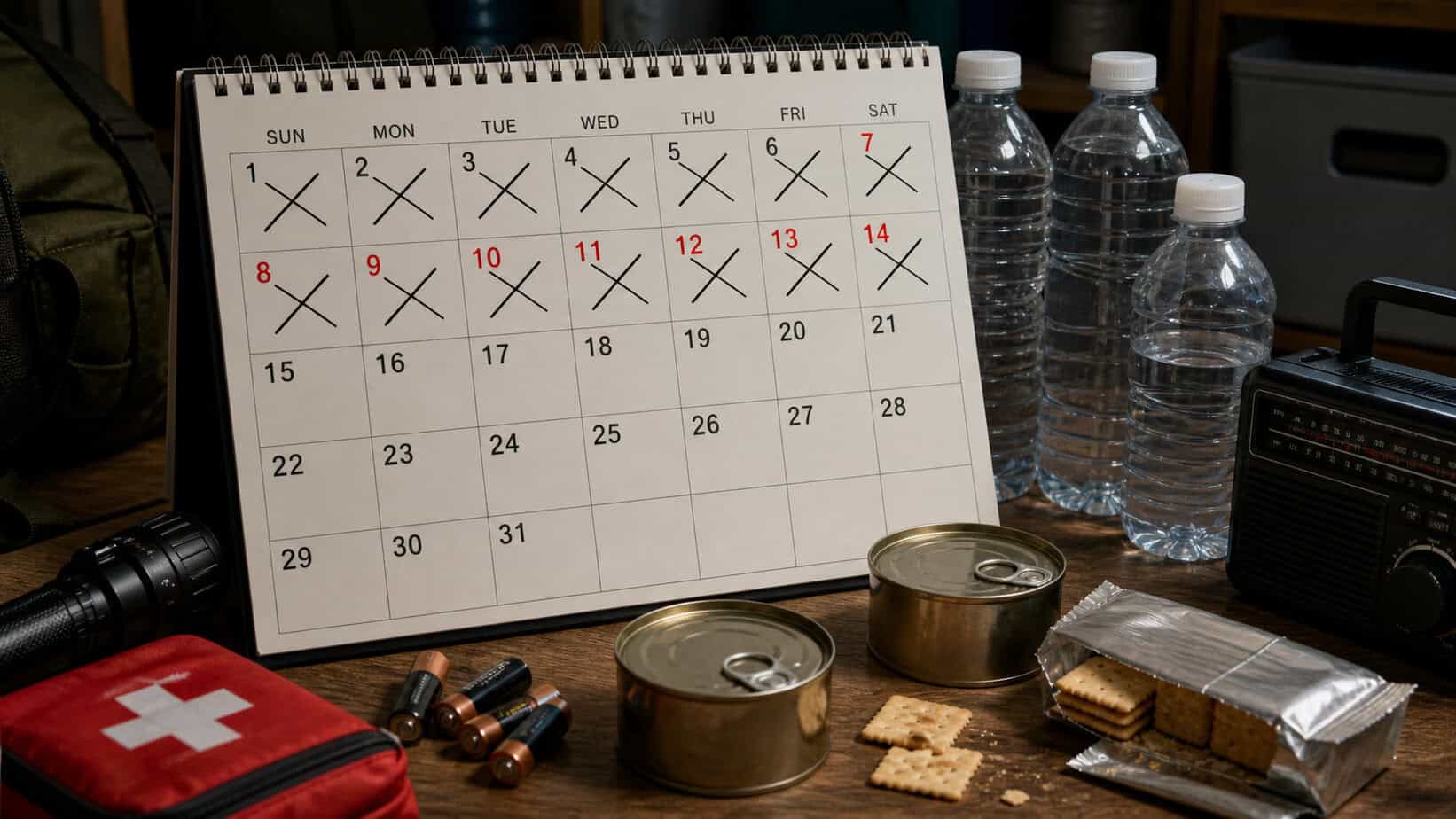
Most people who put together an emergency kit feel a quiet satisfaction afterward. They have their 72-hour bag, a few gallons of water, some canned goods, a flashlight with fresh batteries, and maybe a printed family plan tucked into a binder.
NORTIV 8 Armadillo FieldLite WaterproofPRO Hiking Boots: My Honest Review
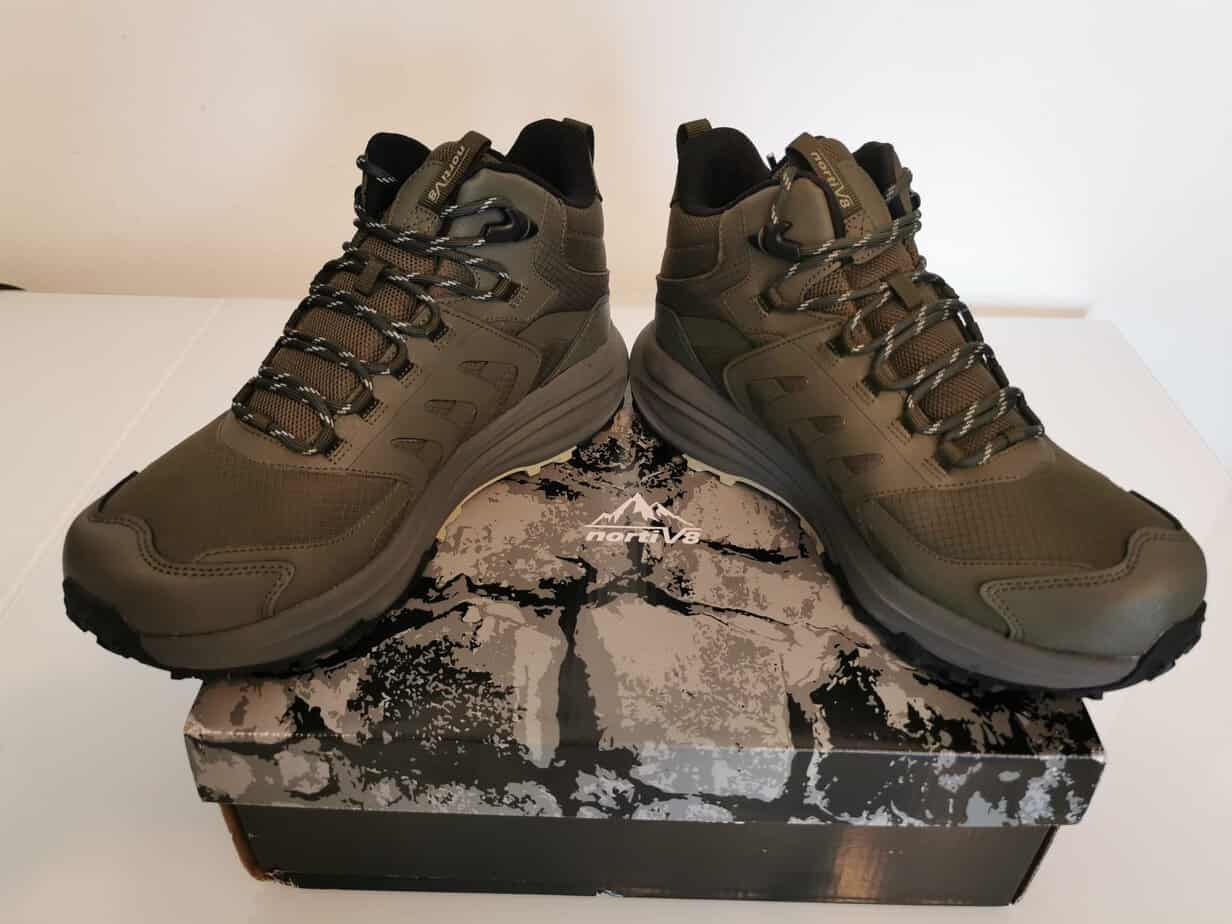
If you’ve been reading this blog for any length of time, you know I don’t mess around when it comes to footwear. In the preparedness world, boots are one of those items you absolutely cannot compromise on.
Barter Economy Collapse: The Real Items That Replace Money in Crisis
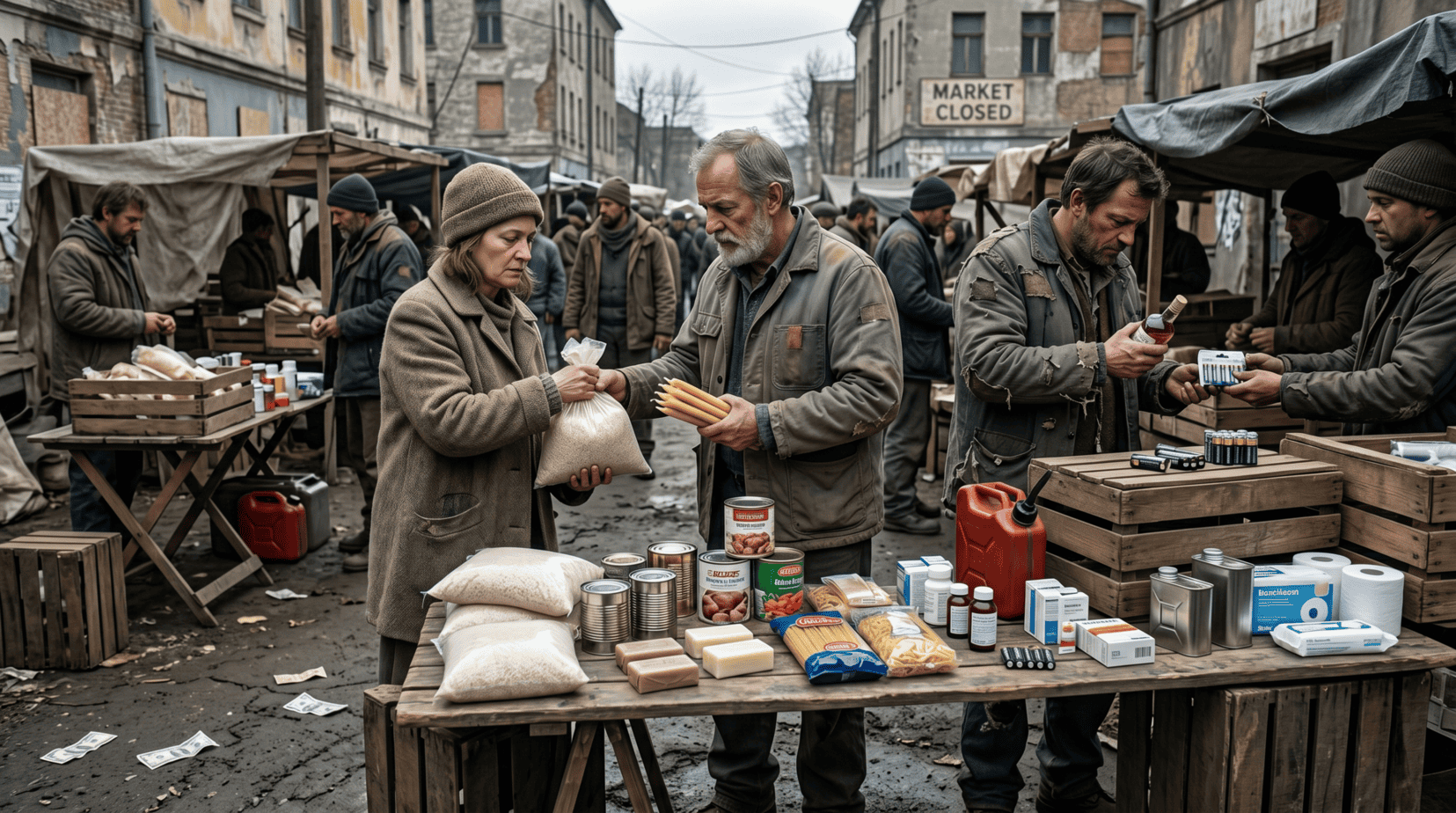
Most people have never had to think seriously about what happens when money stops working. Not just inflation chewing away at purchasing power, or a bank account temporarily frozen during a dispute, but a full-scale situation where the currency in your wallet becomes about as useful as scrap paper.
Pets During Disasters Statistics: The Brutal Reality Most Owners Ignore
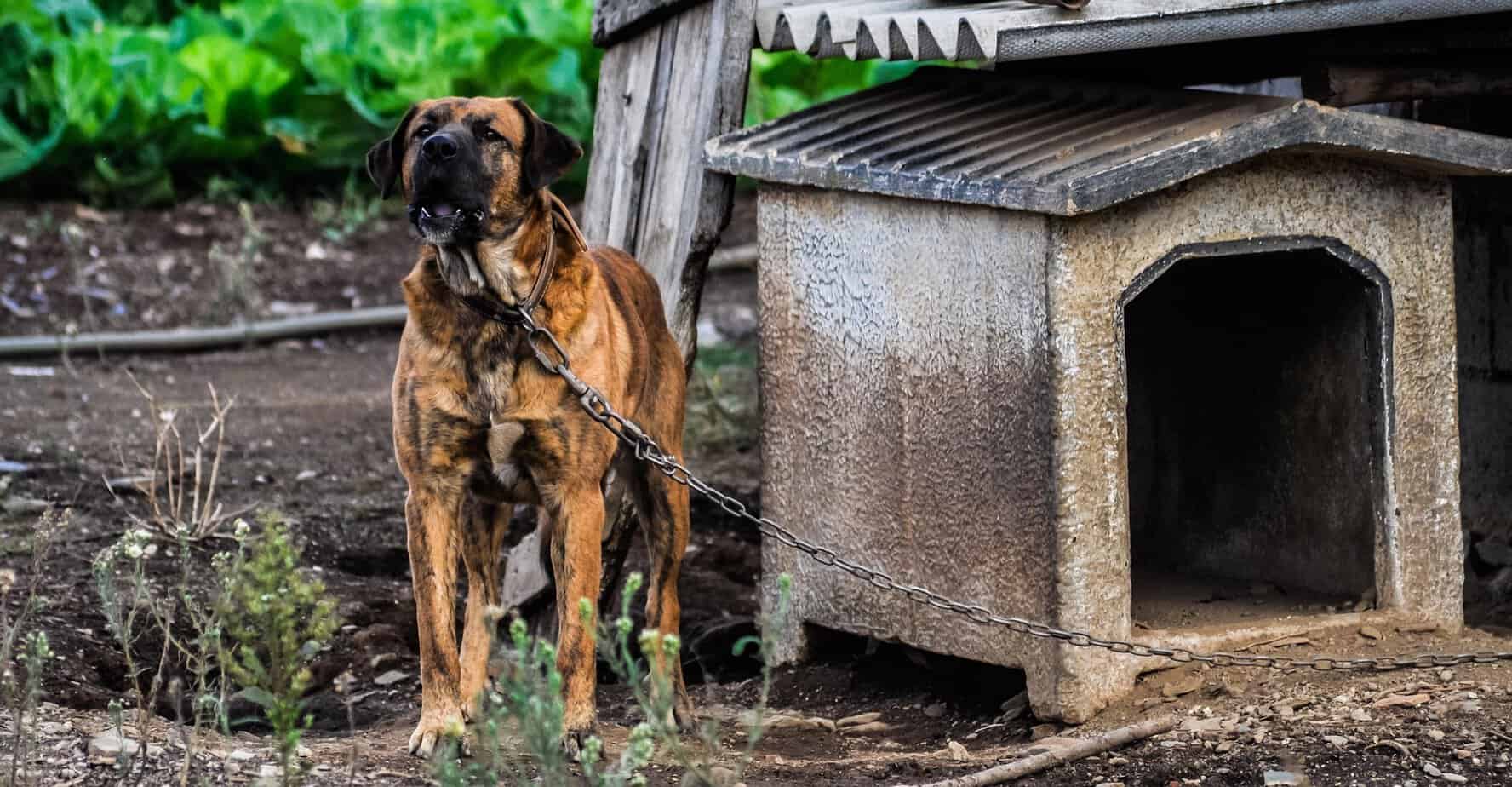
If you share your home with a dog, cat, or any other companion animal, you already know the bond goes deep. These creatures depend on you for everything: food, shelter, safety, and in the most terrifying moments of your life, survival.
Sounds That Give Away Your Location And How to Control Them When It Matters
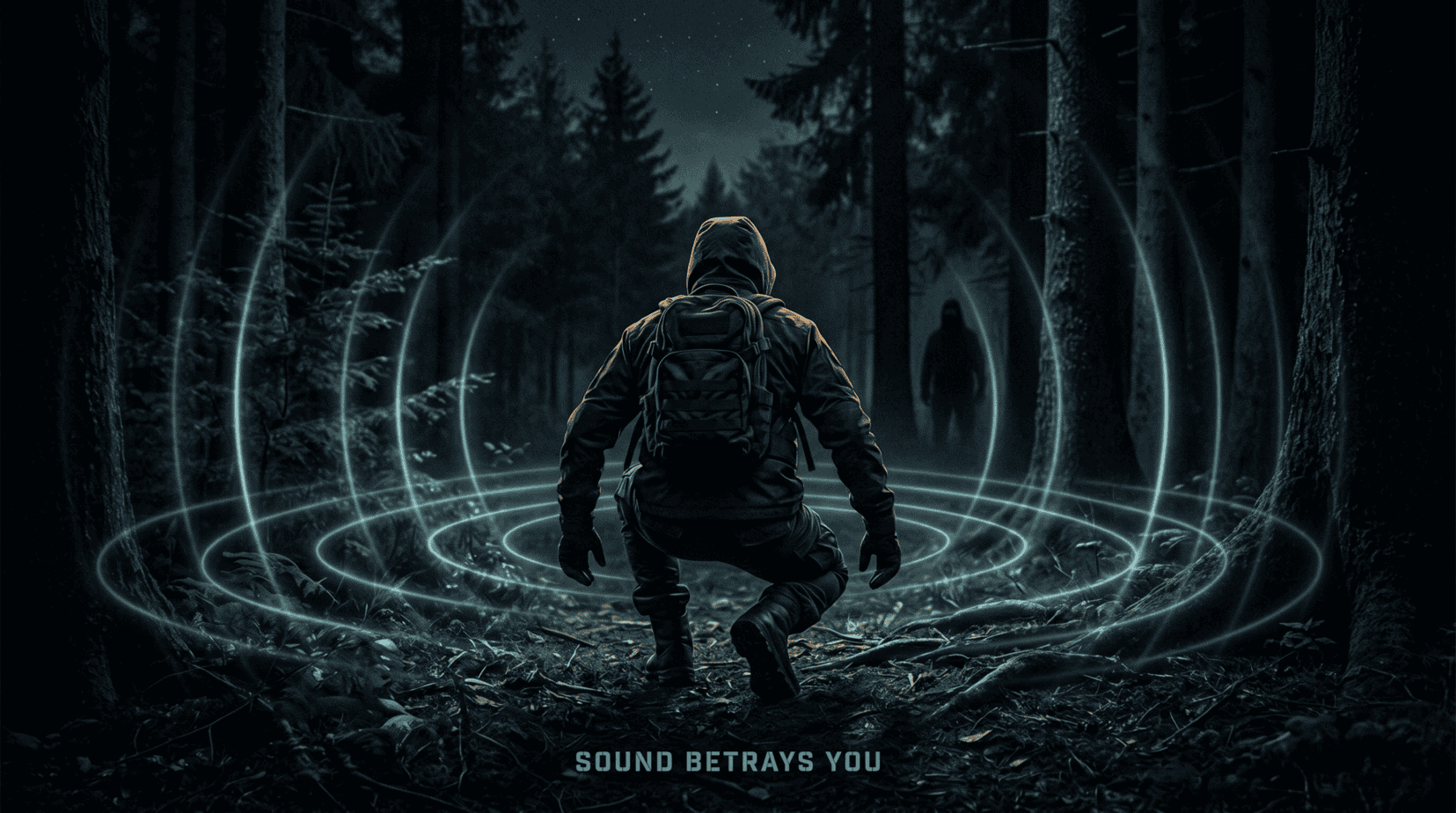
Most people go through their entire lives generating noise without a second thought. Your keys jangle against your hip, your jacket swishes with every step, your phone buzzes on a hard surface, and somewhere down the hall, your generator hums loud enough to wake the neighbors.
Garbage During Emergencies: How Trash Becomes a Public Health Crisis
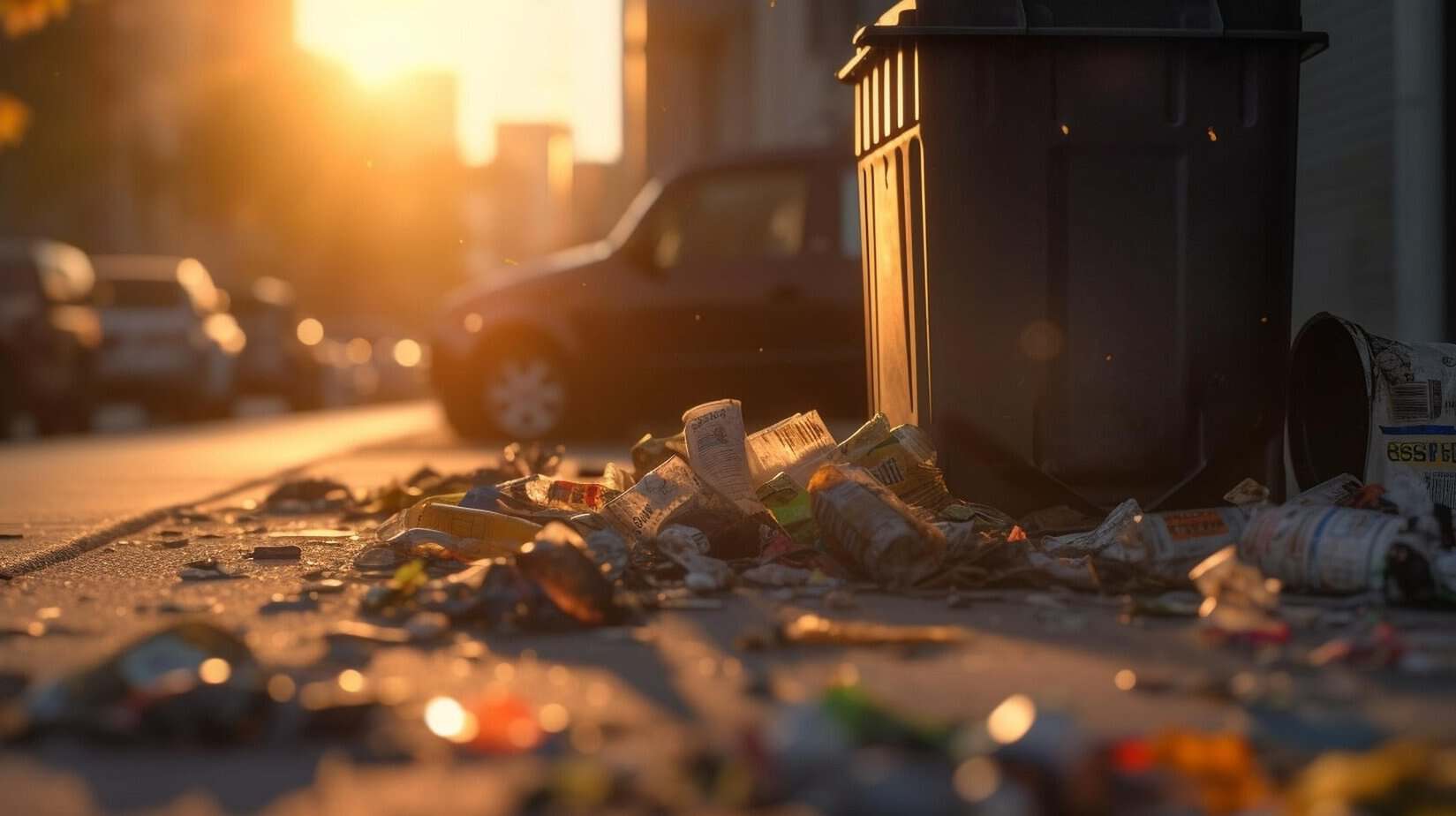
Most people preparing for disasters focus on food, water, and shelter. Very few think about what happens to their garbage. That oversight can be dangerous and when normal life gets disrupted, so does every system that keeps waste out of sight and out of mind.
Sleep Deprivation Survival: 72 Hours Without Sleep Effects in a Crisis and How to Stay Functional
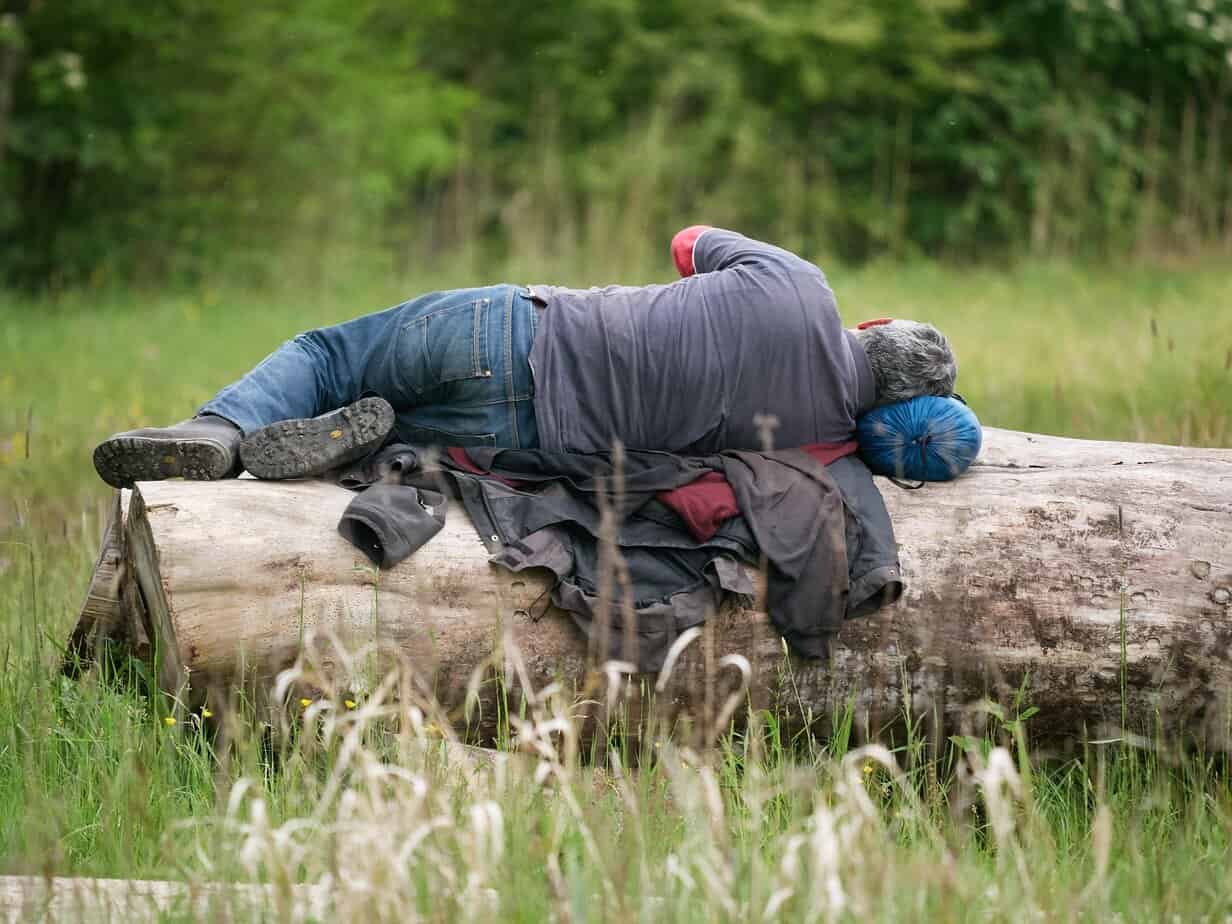
Sleep Deprivation Survival is not some macho badge of honor, and it is not a niche concern for extreme situations either. In a real crisis, whether you are dealing with a storm outage, a rushed evacuation, a sick family member, civil unrest, or just the grinding stress of staying alert when everything feels unstable, sleep can disappear faster than most people expect.
How Prepper OPSEC Mistakes Turn You Into a Target
Most preppers spend years quietly building their supplies, skills, and plans. They invest real money in food storage, water filtration, communications gear, and defensive tools. Then, in a single unguarded conversation with the wrong person, or through one too many posts on a public social media account, all of that careful work gets exposed.
How Much Ammo Should You Stockpile for Emergency Preparedness?

Most people who think about stockpiling ammunition are already approaching the problem backwards. They focus on numbers first, like how many rounds of 9mm, how many boxes of 5.56 or maybe a few hundred shells for a shotgun.
SurviveX First Aid Kit Review: What It’s Actually Worth When Things Go Wrong
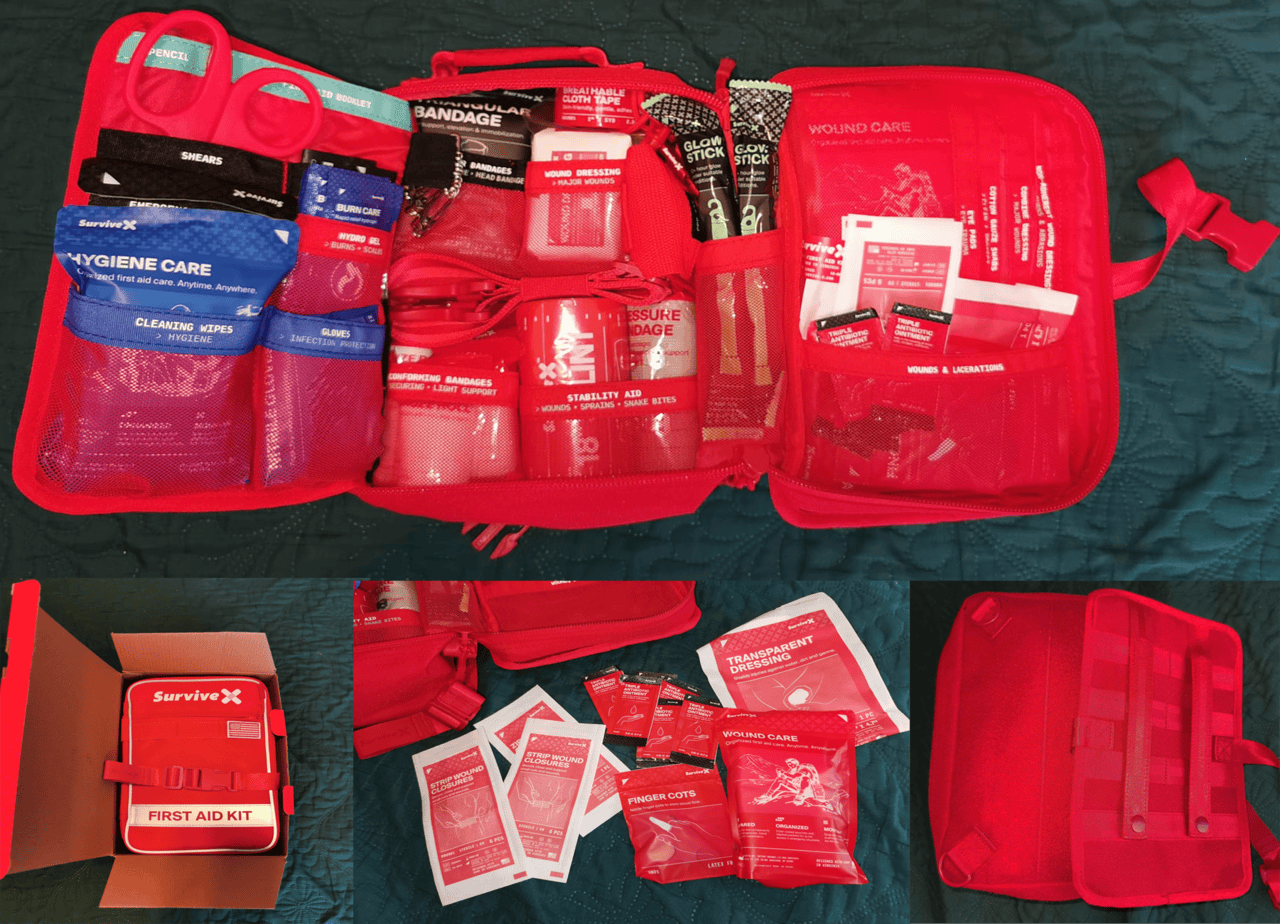
I don’t usually write long reviews. In fact, I rarely write any reviews and I only do it when I feel the products deserves to be shown. However, after getting this kit and going through it piece by piece, I realized it’s not your typical “throw it in a drawer and forget it” kind of first aid kit.
Emergency Shelter Risks: Why Shelters Are Often the Worst Option
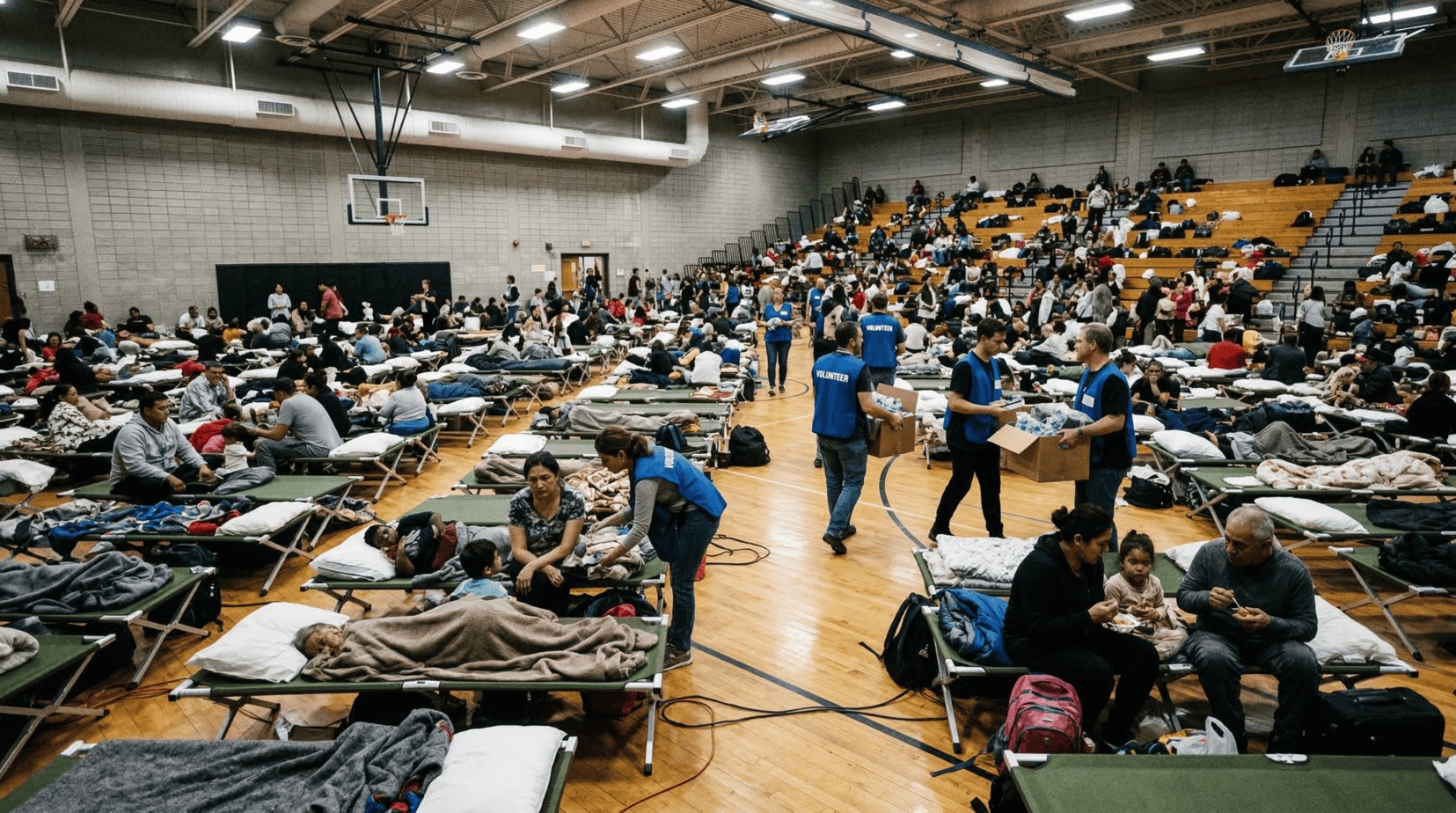
When disasters strike in the United States, the official message is simple: go to a public shelter. Schools, churches, and community centers quickly become temporary housing for evacuees. For many people, that sounds like the safest option available.
Preparing for Curfews: How to Stay Supplied During Civil Unrest
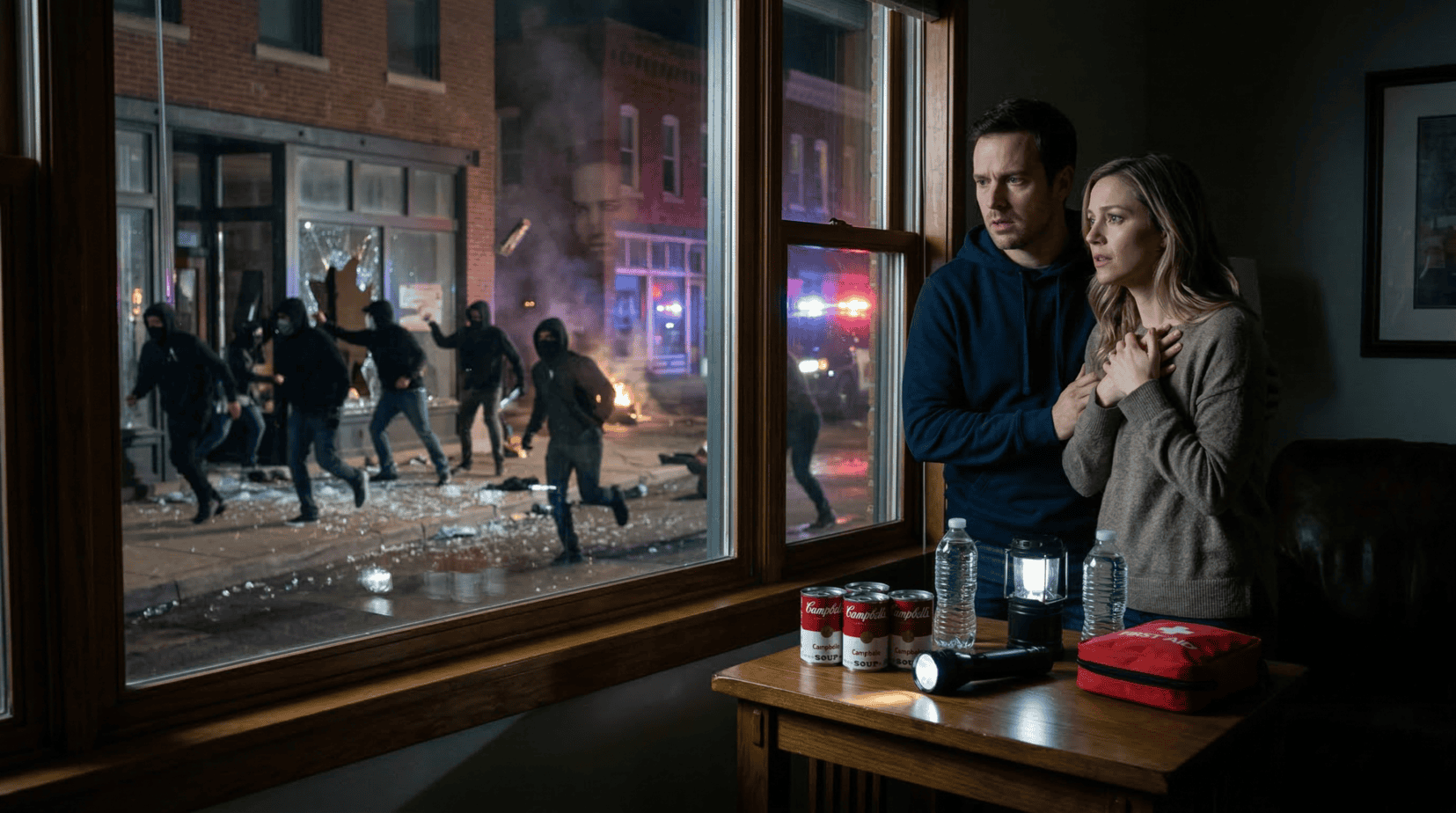
Curfews tend to arrive with very little warning. One evening everything feels normal, and a few hours later your city is under restrictions and stores are closing early. It has happened before during riots, hurricanes, blackouts, and other emergencies, and it will happen again.