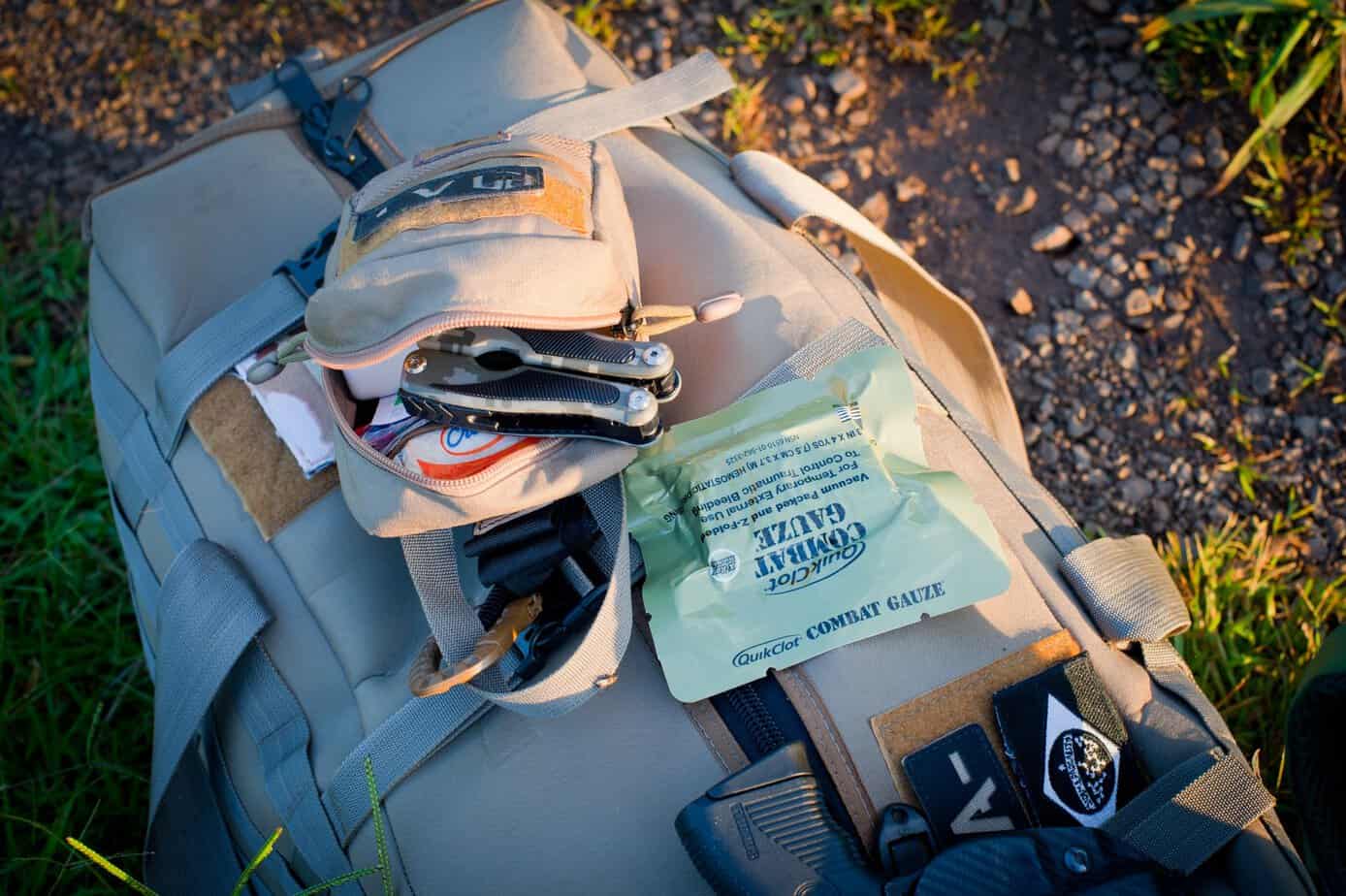
Most people build a get home bag exactly once. They spend a weekend watching videos, buy a decent pack, fill it with the gear everyone says you need, and slide it behind the driver’s seat with a quiet sense of accomplishment.
Three years later that same bag is still riding around back there, still holding whatever seemed sensible on the afternoon it was assembled, and still unaware that the calendar has flipped over more than a thousand times since.
A seasonal get home bag solves that problem, and the fact that so few people build one is the reason so many kits would fail on the exact day they were needed.
Here is the uncomfortable truth about emergency planning. The bag does not care what you intended, and the road does not care that you meant to swap the fleece for a sun hoodie back in April. When you find yourself walking eleven miles home from an office park because the highway is closed and your phone has no signal, the only gear that matters is what is physically in the pack, sized for the temperature outside and appropriate for whatever is falling out of the sky. Everything else is decoration.
This article works through why weather mismatch quietly ruins otherwise well-built kits, what changes between winter, summer, and the two shoulder seasons that catch nearly everyone off guard, and how to run a rotation schedule that takes about twenty minutes twice a year. There is nothing exotic here, just an honest look at what you would need to walk home in January versus July and how far apart those two lists really are.
Why a Seasonal Get Home Bag Beats One Year-Round Loadout
The single bag approach is popular because it is easy to think about. One pack, one list, one afternoon of work, done forever. The problem shows up the moment you try to write that list. A bag capable of getting you through a wet 28-degree night also has to be light enough that you would still carry it in 95-degree heat. Those requirements pull in opposite directions hard enough that the compromise satisfies neither one.
Watch what happens in practice. The person building a year-round kit reaches for middle of the road gear. A medium weight fleece instead of real insulation, a thin poncho instead of a proper shell, two liters of water instead of four. Each of those choices is defensible on a mild 60-degree day, and each one becomes a liability at the edges of the year. Emergencies are rarely polite enough to happen in the middle of the temperature range, and the days most likely to strand you sit at the extremes.
A seasonal get home bag flips the logic. Rather than asking what gear works for every day of the year, you ask what gear works for the worst ten percent of days in the season you are currently living in. Then you pack for that and swap it out when the season turns. The winter version is heavier and unapologetically insulation focused. The summer version is lighter and built around water, sun, and heat management.
The federal preparedness guidance at Ready.gov has quietly pointed at this for years, recommending that people in cold climates add clothing and bedding beyond the baseline list. Applied properly, it means your kit is a living thing that changes twice a year rather than a sealed time capsule from whenever you first got interested in this topic.
The Weather You Actually Get Versus the Weather You Planned For
There is a wide gap between the weather people imagine when they pack and the weather that shows up when things go sideways. Most kits get assembled indoors, in comfort, with a mental image of a moderately inconvenient afternoon walk. Reality is usually messier, and it usually involves standing still for a long stretch before you start moving.
Consider what actually strands people. The Federal Highway Administration reports roughly 745,000 weather related crashes in an average year, around twelve percent of all vehicle crashes nationwide. Rain and mist account for the largest share, with freezing precipitation adding another sizable chunk. Any honest look at why you might end up walking points straight back at bad weather as the leading cause.
That connection matters more than it first appears. If the most likely reason you are walking home is that the weather made driving impossible, then the weather is guaranteed to be bad during the walk itself. The event and the exposure arrive together, which means your seasonal get home bag needs to be sized for the storm that caused the problem rather than for an average day in that month.
There is also the waiting problem. Before most people commit to walking, they sit. They wait for traffic to clear, wait for a call to go through, wait for a tow truck that is four hours out. During that stationary period the body generates almost no heat, and in cold conditions this is where trouble starts. A kit that assumes constant movement misses the two hours of sitting still that usually come first, and those two hours are frequently the most dangerous part of the whole ordeal.
Winter Layering Is Where the Seasonal Get Home Bag Earns Its Weight
Cold weather packing gets treated as a matter of adding one warm jacket, which is where most winter kits go wrong. Warmth in the field comes from a system, and each piece of it has a specific job. REI’s layering guidance breaks it into three functions worth memorizing: a base layer that moves sweat off your skin, a middle layer that traps body heat, and an outer shell that blocks wind and precipitation. Skip any one of the three and the other two underperform.
The base layer deserves more respect than it gets. Walking generates sweat even in freezing conditions, especially with a loaded pack, and cotton against your skin holds that moisture and pulls heat out of you for hours. A cheap synthetic or merino base layer weighs almost nothing and changes the equation. The CDC notes that hypothermia can develop at temperatures above forty degrees when someone gets chilled by rain or sweat, which should permanently kill the idea that cold weather planning only matters below freezing.
For the middle layer, a compressible synthetic puffy beats fleece for the same warmth at half the packed volume, and synthetic fill keeps working when damp. The shell needs to be genuinely waterproof rather than water resistant, since that difference decides whether you stay dry for six hours or twenty minutes. An inexpensive packable rain suit handles this well enough that spending more is optional.
Then there are the extremities, where the winter version of a seasonal get home bag separates itself from a lazy one. A warm hat, a neck gaiter, and two pairs of gloves. Two, because one pair gets wet inside the first hour of doing anything with your hands. Add a lightweight emergency bivvy for the stationary waiting period, and you have covered the realistic winter scenario rather than the imagined one.
Summer Heat, Water Weight, and the Trap of Packing Light
Summer kits fail in the opposite direction. Because the weather feels forgiving, people strip the bag down to almost nothing and call the light load smart. Heat is quieter than cold about the trouble it causes, and it kills more people in an average American year than any other weather hazard.
Water is the whole ballgame in July, and water is heavy. A liter weighs about 2.2 pounds, and a person walking ten miles in genuine heat can go through four liters or more. Nobody wants to haul nine pounds of water year-round, which is exactly why this belongs in the summer configuration. Carry two liters and pair it with a filter so you can refill from a creek, a spigot, or a decorative fountain outside an office building without gambling on what is in it.
Electrolytes matter as much as volume. Drinking plain water while sweating heavily for hours dilutes sodium and can leave you weak and nauseated well before dehydration would have. A sleeve of electrolyte packets weighs a few ounces and belongs in the summer kit permanently. Add a wide brimmed hat, a long sleeve sun hoodie, and sunscreen, since shade disappears fast once you leave a downtown core.
Timing deserves a place in the summer version of a seasonal get home bag too. The National Weather Service heat index explains why an afternoon can feel far worse than the thermometer suggests, and notes that full sun can push apparent temperature up by as much as fifteen degrees over the shaded value. A headlamp in the summer kit is not about darkness for its own sake. It is what lets you shelter through the worst of the afternoon and cover ground after sunset, which is often the smarter plan.
Shoulder Seasons Are Where Most Kits Fail Quietly
Ask someone about their preparedness setup and they will describe a winter plan and a summer plan. Spring and fall get almost no attention, and that is where the highest number of people get caught, because the shoulder seasons hide serious danger behind pleasant averages.
An October afternoon in much of the country runs 65-degrees and sunny, and that same night drops to 38, often with rain. Someone who left the house in a t shirt and packed accordingly faces a 27-degree swing with wet clothing and no insulation. A wet 40-degree night with wind will do far more damage to an unprepared person than a dry 20-degree night, and yet almost nobody packs for it because forty degrees does not sound threatening on paper.
Spring carries the same trap with extra water added. Snowmelt and heavy rain make creeks impassable, low spots flood, and the ground stays saturated for weeks. A route that works fine in August may be genuinely unwalkable in March. Anyone who has crossed a field in early spring knows the difference between walking on grass and slogging through six inches of cold mud that soaks through boots within minutes.
The fix is to treat the shoulder seasons as their own configurations rather than as transition weeks between the real ones. The spring and fall version of a seasonal get home bag leans heavily on rain protection, carries a real insulating layer despite the mild daytime forecast, and keeps at least one full change of dry clothing sealed in a plastic bag. That last item sounds excessive right up until the moment you need it, at which point it becomes the most valuable thing you own.
Footwear and Socks Decide Whether the Walk Ends Well
The most likely thing to stop you from getting home is not weather directly, and it is not a dramatic encounter with anyone. It is your feet. A hot spot at mile two turns into a blister at mile four, and by mile seven you are limping, altering your gait, and setting up an ankle or knee problem on top of the original injury. Most long-distance walkers learn this the expensive way.
Start with what you wear to work. Dress shoes, flats, and heels are non-starters for a 10-mile walk, and yet millions commute in exactly that footwear daily. A pair of broken in trail runners or light hikers stored in the vehicle solves it. Broken in matters, since brand new shoes stored in a trunk for two years and worn for the first time during an emergency are a blister factory rather than a solution.
Socks do more work than people expect. Merino wool manages moisture, resists odor, and keeps insulating when damp, which covers both the winter and summer versions of the problem. Pack two pairs. Changing into dry socks halfway through a wet walk resets your feet in a way that feels almost unreasonable given how little the swap costs you in time and weight.
Blister care belongs in every seasonal get home bag regardless of the month. Blister pads, leukotape, and a needle handle most foot problems if you treat them early rather than pushing through and hoping. The rule experienced hikers follow is simple enough to remember under stress. When you feel a hot spot, stop and tape it, because five minutes spent now saves an hour of limping later.
Rotating Your Seasonal Get Home Bag Without Making It a Chore
The whole strategy collapses if the swap never happens. Plenty of people understand the seasonal argument, agree with it completely, and still have a bag full of fleece riding around in August. The solution is to make rotation small, scheduled, and tied to something you already do.
Pick two dates and put them in your calendar as recurring events. Mid-April and mid-October work for most of the continental United States, though anyone in Phoenix or Minneapolis should shift those to match local reality. Attach the task to something else that already happens on a schedule, like changing smoke detector batteries or swapping seasonal tires. Pairing a new habit to an established one is the difference between a system that survives three years and one that survives three months.
Keep two labeled storage bins at home, one marked winter and one marked summer. Rotation day then becomes a 15 minute job of emptying the bag onto the floor, checking expiration dates, swapping the clothing block, and putting the off season gear back in its bin. No decisions, no shopping, no research. The thinking was done when you built the lists, and now you are executing them.
Use rotation day to inspect rather than just swap. Test the headlamp. Check that the water has not been sitting for eight months. Look at the batteries for corrosion, verify medications are still in date, and confirm the shoes still fit if you have kids in the household. This is also the natural moment to reconsider whether your seasonal get home bag still matches your life, since a new job, a longer commute, or a move across town changes the distance you might have to cover on foot.

Vehicle Storage Kills Gear Faster Than Anyone Expects
Most get home bags live in a car, and a car is a brutal storage environment. Interior temperatures in a parked vehicle can exceed 140 degrees in summer sun and drop below zero on a winter night, and cycling gear between those extremes repeatedly does real damage over a few years.
Alkaline batteries are the most common casualty. Heat accelerates self-discharge and raises the odds of leaking, and a leaked cell can destroy the flashlight or radio it was sitting in. Lithium primary cells handle temperature extremes far better and hold their charge for a decade, which justifies the higher price for anything living in a vehicle. Store them outside the device and load them when you need them, which eliminates the leak risk entirely. A headlamp that runs on lithium AAA cells is a reliable choice for this.
Medications degrade quickly under heat cycling too. Ibuprofen, antihistamines, and anything in a gel cap lose potency and sometimes fuse into an unusable mass after a hot summer. Adhesives fail the same way, so the bandages and tape in a car stored first aid kit should be checked and replaced more aggressively than the ones in your bathroom cabinet. Energy bars turn into bricks or puddles depending on the season, and neither state is appetizing when you are hungry.
Water bottles are the sleeper problem. Plastic stored in heat can leach compounds and take on an unpleasant taste, and any bottle that freezes and expands may split without you noticing. Rotate water every rotation cycle at minimum, and consider stainless steel for the primary container. Building all of this into your seasonal get home bag routine means degraded gear gets caught during a calm afternoon at home rather than during the event itself.
Regional Reality: The Same Bag Does Not Work Everywhere
Generic packing lists assume a generic climate that almost nobody lives in. Someone in Tucson and someone in Duluth reading identical advice end up with identical bags, and at least one of them is badly served by it. Regional adjustment turns a decent kit into a useful one.
In the desert Southwest, the summer configuration dominates eight or nine months of the year, water capacity outweighs everything else, and sun protection is a daily concern. The winter version still matters, since desert nights drop hard, but it looks more like a shoulder season kit elsewhere. In the upper Midwest and Northeast, the winter build is serious business with real insulation, traction devices for ice, and enough gear to survive a stationary hour in dangerous cold.
The Southeast presents its own puzzle, since humidity blunts the body’s ability to cool itself through sweat and makes moderate temperatures feel far worse than the number suggests. Rain gear there needs to breathe or it becomes a personal sauna, which is why a poncho often outperforms a sealed jacket. The Pacific Northwest inverts the priority list again, with sustained cool rain making waterproofing the year-round anchor and hard freezes a secondary concern.
Mountain regions require the widest range of all, since a 40-degree swing in one day is routine and conditions change completely within a few miles of driving. Anyone building a seasonal get home bag at elevation should pack closer to the winter configuration for most of the calendar and treat the true summer version as a short six-week window. The honest way to set this up is to pull five years of local weather records, find the realistic extremes for each season, and pack to those numbers rather than to a national average.
Test the Bag Before the Weather Tests It for You
Untested gear is a hypothesis rather than a plan. Almost every kit contains at least one item that does not work the way its owner assumes, and the only way to find it is to use the gear under conditions that resemble the real thing.
Start with a simple walk. Pick a weekend with unpleasant weather, load the current configuration of your bag, and cover half the distance between your workplace and your home on foot. You will learn more in those two hours than in twenty hours of reading. Common discoveries include a pack that rubs when loaded, a rain shell that wets out at the shoulders, shoes that fit differently after four miles, and a water supply that runs out early.
Test in the season you are packed for, which sounds obvious and is skipped constantly, since a January walk tells you nothing about your July setup. Two test walks a year, done shortly after each rotation, keep both configurations honest. Bring your phone, tell someone your route, and treat it as a low stakes experiment.
Pay attention to the small failures, since those compound. A zipper pull that is hard to grab with gloves on, a water bottle that will not fit the side pocket once the bag is full, a headlamp strap that slips. None of these ends a walk on its own, and all of them grind on you for hours during a bad day. Fixing them during a test costs a few minutes, and every one you catch makes the seasonal get home bag slightly more likely to do its job when it counts.
My Two Cents
The pattern I keep seeing is that the gear is rarely the weak point. The weak point is the assumption that a bag packed once stays correct forever. Preparedness quietly turns into a collection of objects rather than a working plan, and those objects sit in a trunk aging out of relevance while their owner feels covered.
If you take one thing from all of this, make it the calendar reminder. Two dates, twice a year, fifteen minutes each. That single habit outperforms any amount of gear upgrading, because a mediocre seasonal get home bag matched to the current month beats an expensive one packed for the wrong half of the year. Perfect gear that is wrong for the conditions is just weight you carried for no reason.
And be realistic about the scenario. You are far more likely to be walking home from a flooded highway on a cold rainy Tuesday than facing anything dramatic. Pack for the boring emergency. Dry socks, a real shell, water you can actually drink, and shoes that will not destroy your feet will carry you through almost everything that realistically happens. Everything past that is refinement, and refinement is the fun part. Get the seasonal basics right first, then spend the rest of your time enjoying the details.
Author Bio
Bob Rodgers is a lifelong outdoorsman, herbalist, and seasoned prepper with over 20 years of real-world survival experience. As the founder of PreppersWill.com, he shares practical advice on self-reliance, off-grid living, and disaster preparedness, no hype, just hard-earned lessons from decades of hands-on prepping.
Resources recommended for preppers and survivalists:
How to build a cost-effective and out-of-sight shelter
The solution to becoming your own home doctor when SHTF
The only survival foods you need to outlast any crisis
The easiest DIY project to produce electricity during a power outage
